
Abstract:
New research by astronomers has found that the silver content in the sun is about 55% higher than previously thought. This result not only corrects people's understanding of the sun's chemical composition, but also brings the sun's silver abundance closer to the level recorded in primitive meteorites. Researchers point out that both the sun and these ancient meteorites retain traces of the gas and dust cloud that formed the solar system 4.6 billion years ago.
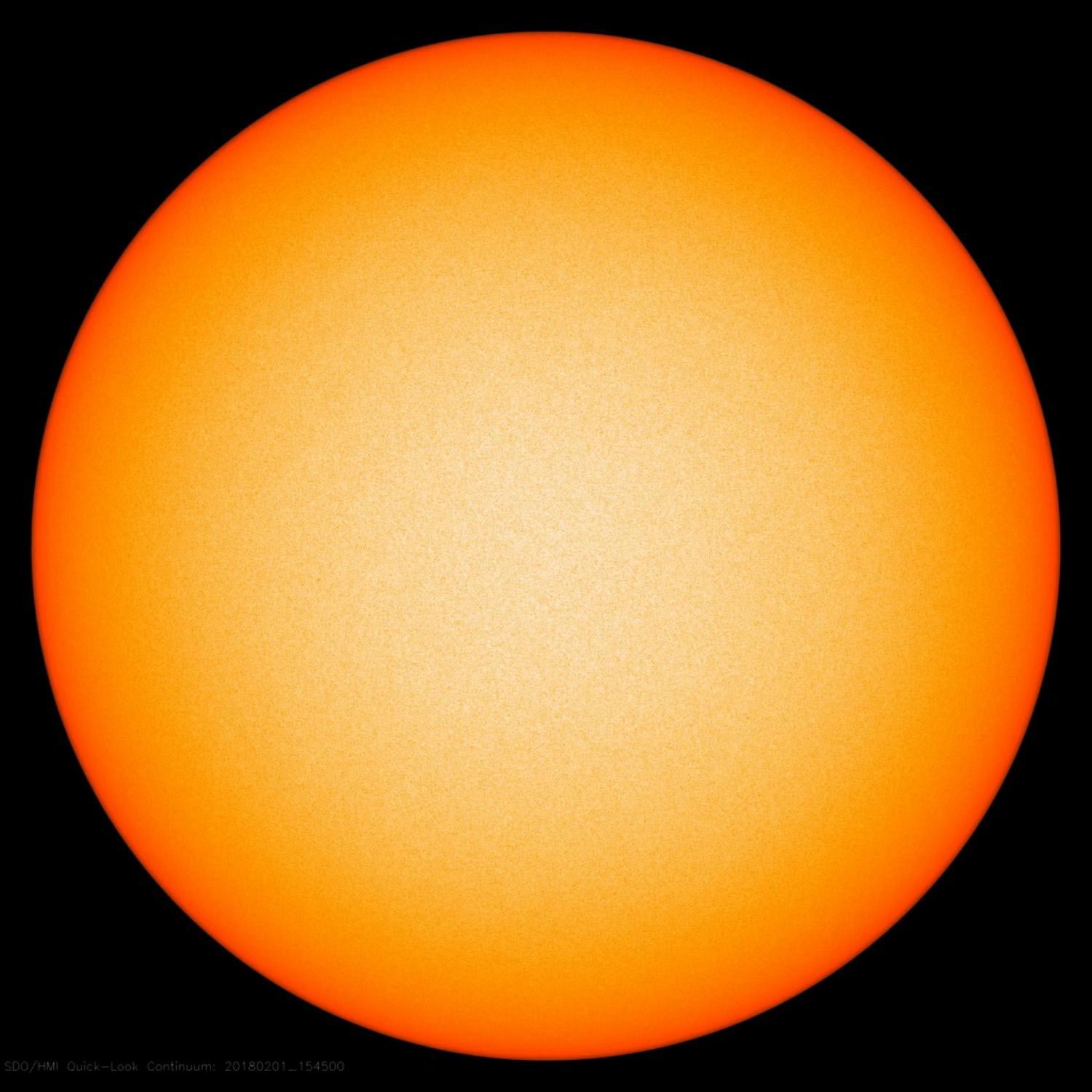
The study was conducted by researchers at Uppsala University in Sweden. The first author of the paper, Saima Chalishkan, carried out relevant work during his doctoral studies. The research team reanalyzed the silver absorption lines in the solar spectrum and combined it with a more refined model of the movement of the sun's outer atmosphere to derive a new abundance estimate. The relevant paper was published in the journal "Astronomy and Astrophysics" on July 17, 2026.
The chemical composition of the Sun has always been an important benchmark in astronomy. Understanding the content of various elements in the sun will help study the formation and evolution of stars and planets, and can also help scientists trace the source and distribution of heavy elements in the galaxy. Previously, the composition of material in some of the solar system's oldest rocks has suggested that astronomers may be underestimating the sun's silver content. This latest analysis of sunlight supports this judgment.
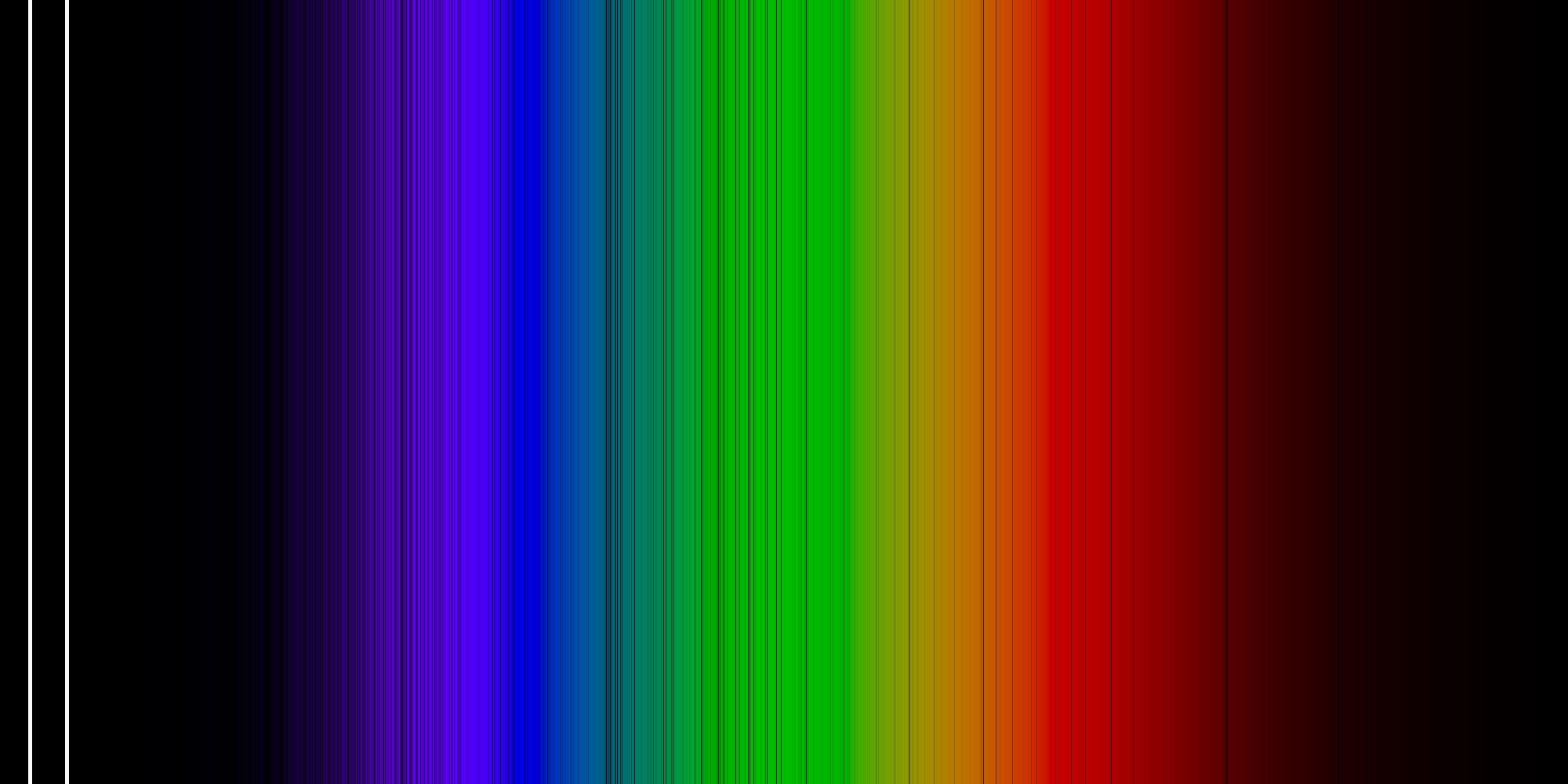
Silver atoms absorb certain wavelengths of light in the solar atmosphere, leaving dark lines in the solar spectrum. Silver can be identified by these dark lines, but to accurately calculate the silver content, you also need to know how strongly these atoms absorb light. The research team built a more detailed model to simulate the movement of material in the sun's outer layers and calculate how silver atoms interact with light and other particles. The new model also takes into account how radiation changes the energy state of silver atoms, a process that directly affects the intensity of spectral lines.
Chalishkan said that with the new model, the team can more accurately interpret the spectral lines used to determine the abundance of silver in the sun. She noted that the Sun is one of the most critical reference points in astronomy, so new knowledge about its composition is important for understanding other stars, planets, and matter in the universe.
In the sun, hydrogen and helium account for almost all the mass, while heavier elements such as carbon, iron, and silver only account for about 1.5% of the mass of the sun. Many heavy elements are formed inside stars or during stellar explosions and subsequently make their way into the next generation of stars and planets. By measuring the abundance of these elements, astronomers can reconstruct the history of changes in the Milky Way's chemical composition over time.
The research team plans to apply this method to other stars. Chalishkan said that by studying the light from stars of different types and ages, they hope to figure out where in the universe silver formed and how it was distributed over time in the Milky Way. The research was supported by the Swedish Research Council, the Royal Swedish Academy of Sciences and ANRF in India.
Comments