
Abstract:
On November 24, according to Business Insider, Nvidia announced the reinstatement of Jensen Huang as CEO, only 11 days after he announced his resignation. Jen-Hsun Huang thus joins one of the few founders in the history of the tech business to regain leadership of the company after being forced out of the company's center of power.
In the past, Silicon Valley called this phenomenon the "Jobs-like return", and later the "Ultraman-like return." Business Insider joked that in the future, people may call it "Huang Renxun's return."
From Apple co-founder Steve Jobs, to OpenAI CEO Sam Altman, to Twitter co-founder Jack Dorsey, the founders of these technology companies have all experienced power games with their boards of directors. However, the methods and timing of their return to power varied.
Ultraman: More than 700 employees forced the board of directors to oust
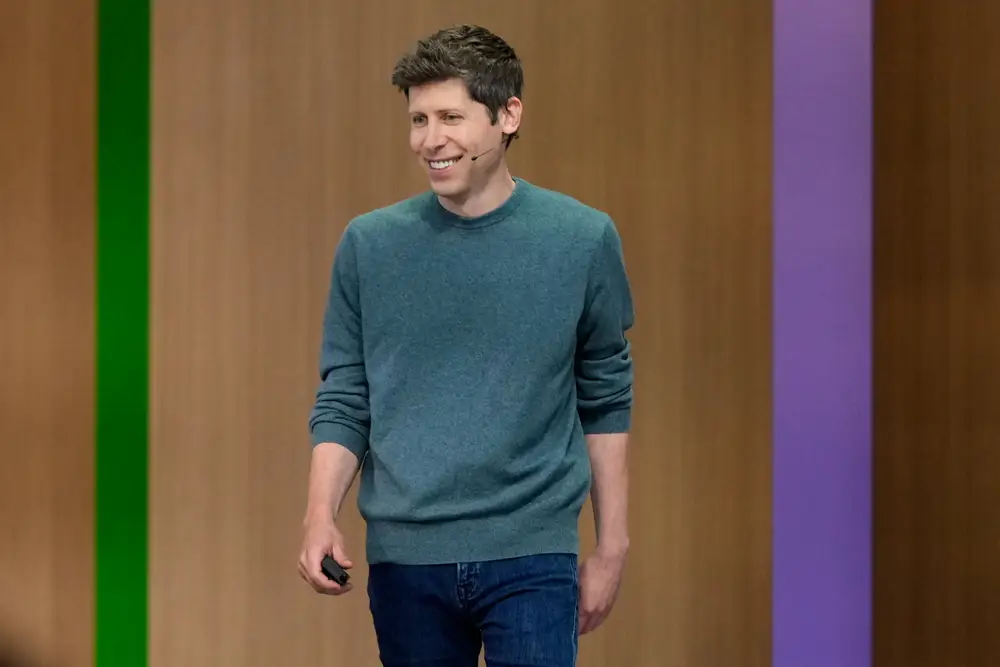
On November 17, 2023, the OpenAI board of directors suddenly announced the dismissal of Altman on the grounds that he failed to always remain candid when communicating with the board of directors, which affected the board of directors' ability to perform its supervisory duties.
This decision quickly triggered an internal crisis within OpenAI. Co-founder Greg Brockman announced his resignation after being removed as chairman of the board. Microsoft, OpenAI's largest investor and business partner, extended an olive branch to Altman and invited him to lead a new AI research team.
Things quickly turned around. OpenAI chief scientist Ilya Suzkovel, who participated in the vote to oust Altman, publicly expressed regret and pledged to do everything he could to bring the company back together.
At the same time, more than 700 OpenAI employees jointly demanded the resignation of the board of directors and the reinstatement of Altman as CEO, otherwise they will follow Altman to join Microsoft.
On November 21, just four days after Altman was fired, OpenAI announced that it had reached an in-principle agreement on his return and would reorganize its board of directors. On November 29, Altman officially resumed his duties as CEO, and Brockman also returned as president of the company.
Jobs: 12 years after leaving, he brought Apple’s market value from US$2 billion to US$350 billion
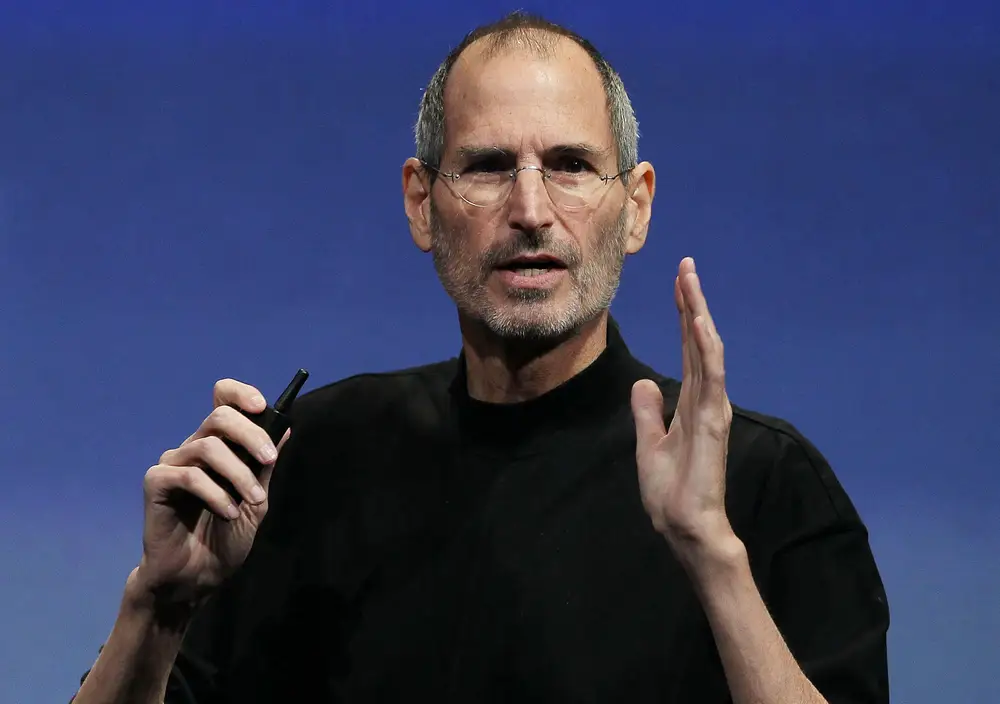
Apple co-founder Steve Jobs was initially pushed out of the company's power center precisely because of the CEO he personally recruited.
In 1985, as sales of Macintosh computers slowed, Jobs and then-Apple CEO John Sculley launched a power struggle over the company's development strategy. In the end, Sculley and Apple's board of directors deprived Jobs of actual management rights. Jobs subsequently resigned and founded the computer company NeXT.
More than ten years later, Apple took the initiative to find Jobs. In December 1996, Apple announced the acquisition of NeXT for approximately US$400 million. The transaction was completed in February of the following year, and Jobs returned to Apple as an advisor.
In July 1997, then-Apple CEO Gil Amelio resigned, and Jobs became the actual leader of the company. In September of the same year, he officially served as interim CEO, launching the most important transformation in Apple's history.
In 1998, the brightly colored iMac helped Apple stay profitable. Since then, Jobs has led Apple to gradually break through the boundaries of the personal computer business, launching iPod, iTunes music store, iPhone and iPad, changing the development trajectory of many industries.
In 2011, Jobs resigned as CEO due to health problems. At that time, Apple's market value had grown from about US$2 billion when he returned to about US$350 billion, 175 times its original value.
Dorsey: Returning after 7 years to take charge of two technology companies at the same time

Twitter co-founder Jack Dorsey has been CEO for the first time in less than two years.
In October 2008, as Twitter's business continued to expand, the board of directors began to question Dorsey's management methods and eventually replaced him. Dorsey continues to serve as chairman of the board, with fellow co-founder Evan Williams taking over as CEO.
After leaving Twitter management, Dorsey co-founded the mobile payment company Square (now renamed Block), while retaining his status as an important shareholder and board member of Twitter.
In July 2015, about seven years after he was replaced, Dorsey returned as Twitter's interim CEO and was officially appointed in the fall of that year.
Since then, Dorsey has been in charge of both Twitter and Square until he resigns as Twitter CEO again in 2021. Less than a year later, Musk completed his $44 billion acquisition of Twitter and fired Dorsey's successor, Parag Agrawal.
Marenweg: It only took 33 hours and 20 minutes to regain control

Compared with the founders mentioned above, Matt Mullenweg, the founder of WordPress.com parent company Automattic, took back control of the company more quickly.
In September 2026, Automattic's board of directors voted to place Marenweger on paid leave and appointed Chief Financial Officer Mark Davis as interim CEO. Mallenweg later accused board members of conspiring against him in a message to employees.
However, the board clearly underestimated the founder's control over the company. Mallenweg challenged the board's decision and used his controlling voting rights to regain control of the company.
The entire process lasted only 33 hours and 20 minutes. On September 12, 2026, Automattic confirmed that Marenweger would resume his position as CEO.
Marenweig revealed at the 2024 TechCrunch Disrupt conference that he holds 84% of the company’s voting rights. After this power struggle ended, Automattic's board of directors was reorganized, and interim CEO Davis and the company's chief legal officer resigned one after another.
Now, Huang Renxun has become the latest member of this group of founders. From Jobs returning to Apple with his entrepreneurial achievements, to Altman relying on the support of employees and investors to force the board to make concessions, to Mullenweig directly using voting rights to regain control, these cases demonstrate the complex power relationship between technology company founders and boards of directors: the board of directors can remove the founder from his position, but it may not be able to easily replace the founder's influence within the company and the capital market.
Comments