
Abstract:
A study published in "Proceedings of the Royal Society, Series B: Biological Sciences" suggests that the history of human use of fire may be related to the evolution of complex spoken language. Researchers from the University of St. Andrews and Dartmouth College believe that for hundreds of thousands of years, humans gathered around campfires to keep warm, defend themselves from wild beasts, prepare food and socialize. This unique way of life may have created important conditions for the development of language.
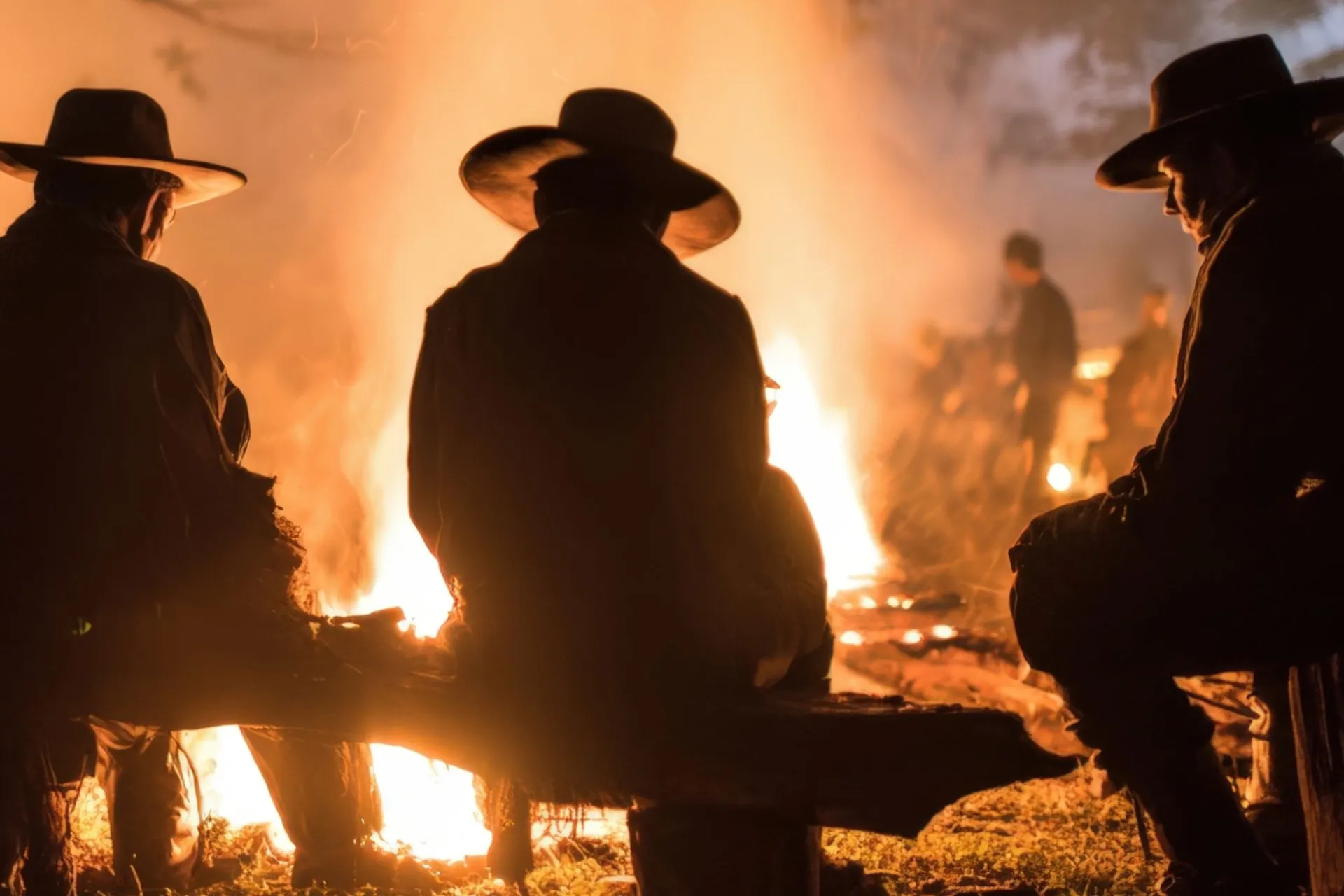
Researchers point out that although tool making, knowledge transfer and social collaboration can all benefit from language, they do not necessarily rely on spoken language, nor can they alone explain why humans have gradually developed highly complex and precise language systems. In contrast, humans' control and long-term use of local fire sources is one of the behaviors that distinguishes them from other primates, and it roughly overlaps in time with the development of complex language.
Banfires not only extended the time groups spent together at night, they may also have facilitated storytelling, sharing experiences, discussing social relationships, and conveying complex ideas. The team suggests that firelight environments may also change the way people interpret gestures, making clear vocal communication more advantageous. The light produced by flames and embers may not disrupt sleep as significantly as intense white light, allowing humans to maintain social interactions for longer periods of time at night.
The paper also proposes a more speculative possibility: Fire with longer wavelengths may have a potential "photometabolic" effect on the human body by affecting mitochondrial membrane potential and energy metabolism. However, this view still needs experimental verification.
Researchers emphasize that fire did not necessarily directly "cause" the birth of language, and human evolution is unlikely to be determined by a single factor. But the social environment around a campfire may have increased the opportunities to build social bonds, discuss group matters, and learn from the experiences of others, thereby driving brain and vocal organ characteristics associated with complex language.
Currently, this theory remains a hypothesis. Future research needs to experimentally examine the effects of firelight on gesture understanding, sleep rhythms, and nighttime social interaction to determine the extent to which campfires are involved in the formation of humans' rich spoken language.
Comments