
Abstract:
Microsoft has continued to invest a lot of resources in the past year, hoping to re-establish Windows as the platform of choice for developers. However, a new developer survey shows that Windows is facing increasing competition among some of the most active groups of software engineers, and its popularity even lags behind macOS and Linux.
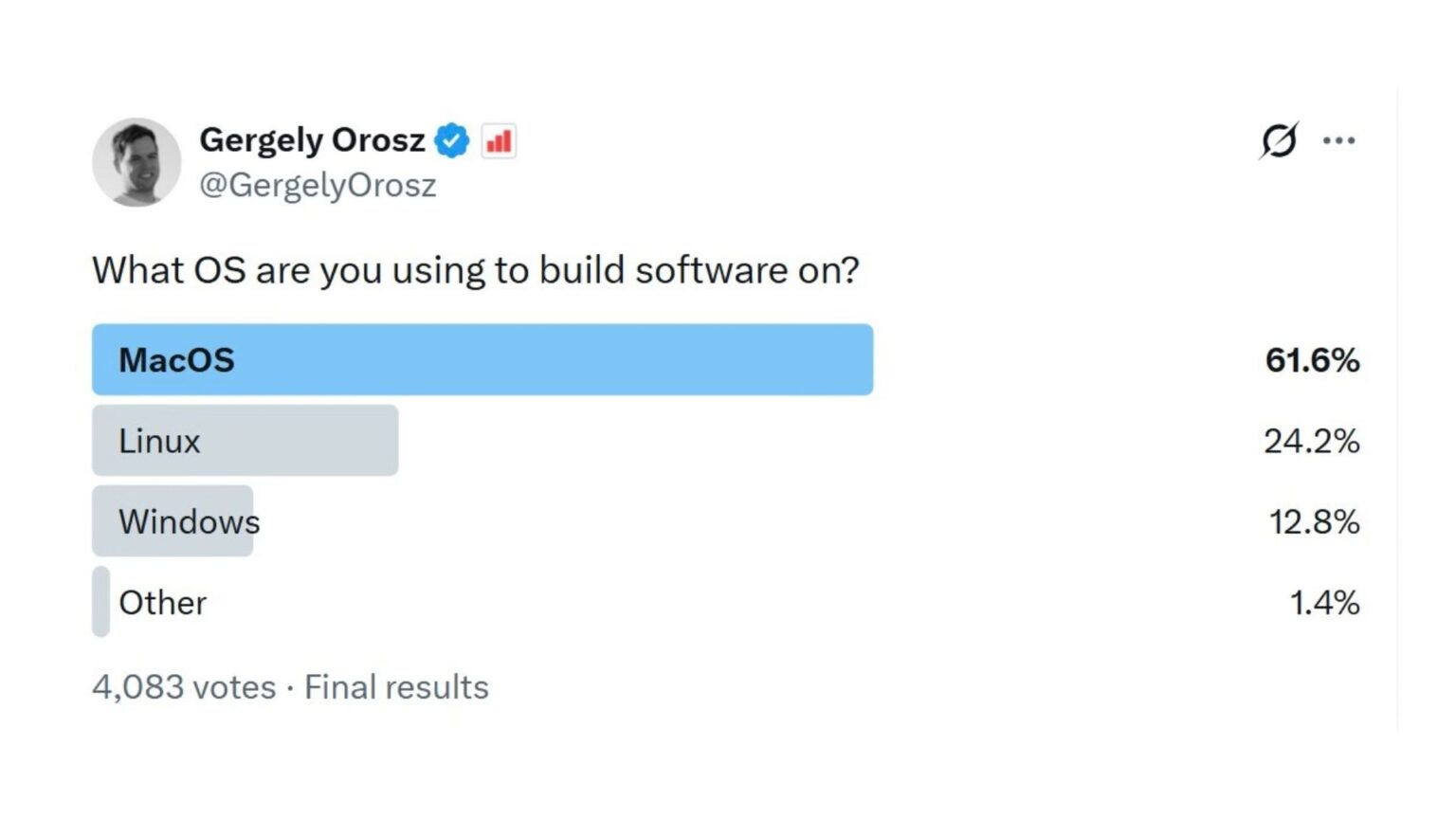
According to a survey initiated by Gergei Orosz, author of the technology newsletter "The Pragmatic Engineer", among about 4,000 developers who participated in the vote, 61.6% said they mainly use macOS for software development, 24.2% chose Linux, and Windows only received 12.8% support.
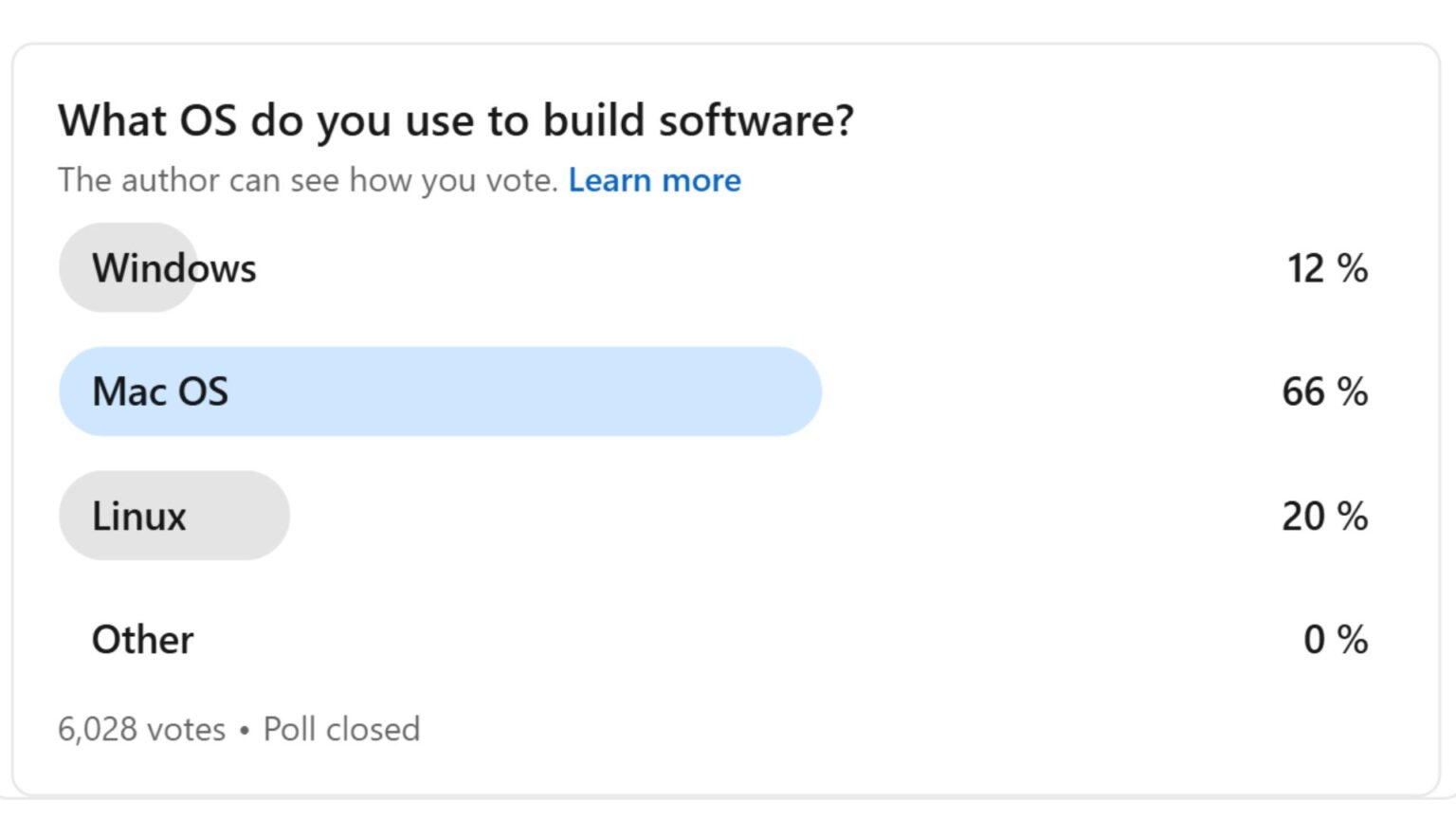
Another LinkedIn survey of about 6,000 developers came up with very similar results. Data shows that 66% of participants use macOS, 20% choose Linux, and Windows accounts for about 12%. Because the two surveys were conducted on different platforms but reached similar conclusions, they attracted widespread attention in the industry.
This result is in sharp contrast to Microsoft's strategic direction in recent years.
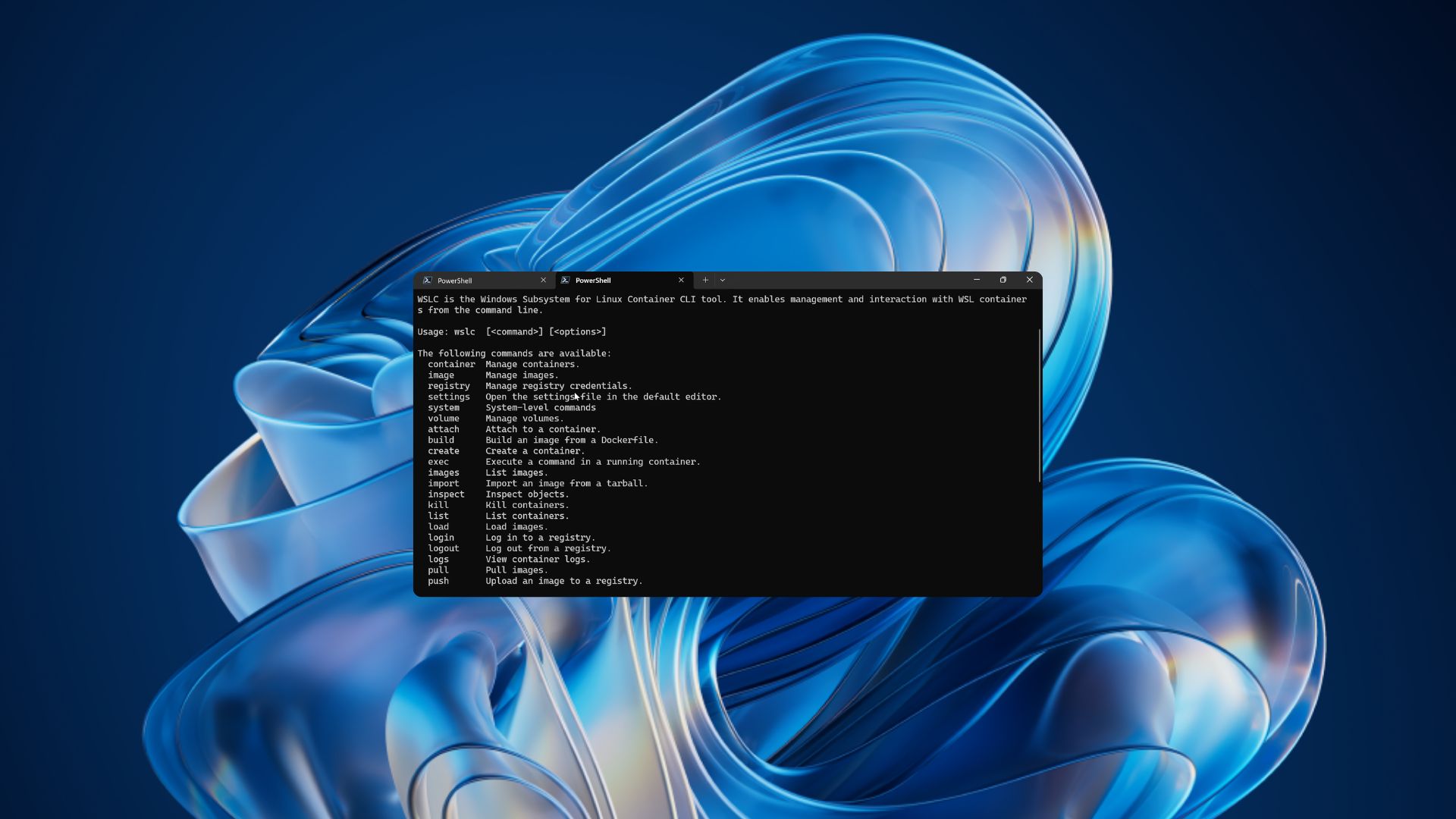
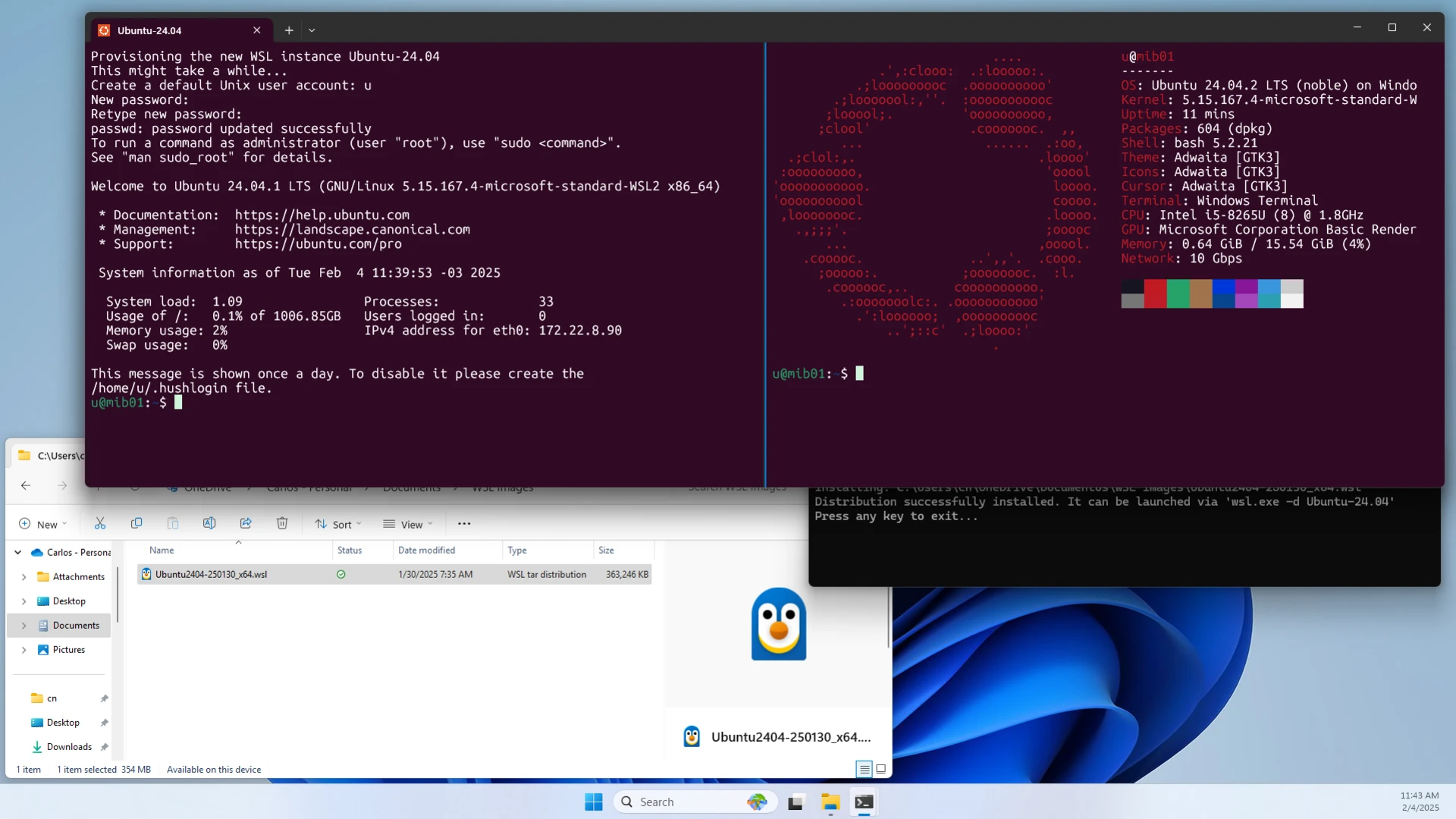
Throughout 2026, Microsoft has almost been strengthening the Windows development environment. The company continues to improve Windows Subsystem for Linux (WSL) to improve operating efficiency; it further integrates Linux container capabilities into Windows 11; it launches the native Windows version of the Linux Coreutils tool set; it releases the Windows Developer Configurations function, allowing developers to quickly complete development environment deployment with a single command; and it also continues to add AI development-related capabilities.
During the Build 2026 conference, Microsoft announced a series of new features for developers, hoping to lower the development threshold and improve productivity. From natively running Linux tools to deeper container support to AI-assisted development capabilities, Microsoft has made upgrades in almost every key direction.
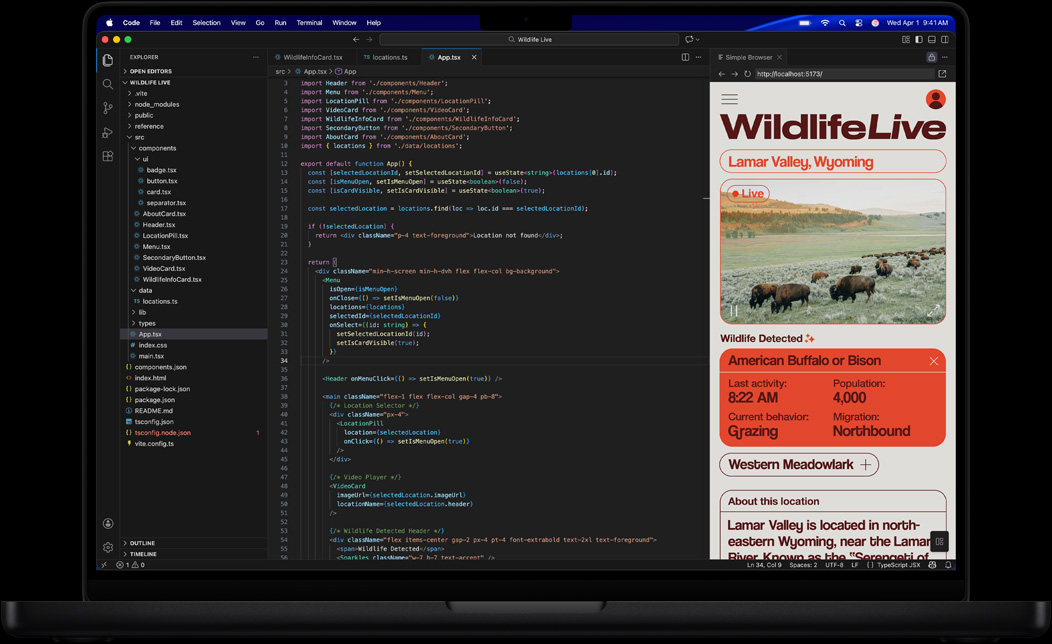
However, judging from the latest survey results, these efforts have not significantly changed the preferences of some developer groups.
The report pointed out that this figure does not mean that Windows only has about 13% share of the global developer market. In fact, Windows Latest specifically emphasized that the survey mainly reflects the selection tendencies of developers in a specific circle. Most of the survey respondents are from large technology companies and startups, so it does not represent the overall situation of global developers.
If the perspective is expanded to a larger industry survey, the situation is different.
The global developer survey released by Stack Overflow in 2025 shows that among professional developers, Windows is still the most widely used main operating system, with a proportion of about 49.5%; macOS is about 32.9%.
However, the huge difference between the two types of surveys also reflects an issue worthy of Microsoft's attention. Although Windows still maintains the lead in the overall scale of global developers, within many startups and large technology companies with greater technical influence, developers are obviously more inclined to choose macOS and Linux.
Analysts believe that this phenomenon is not entirely determined by function.
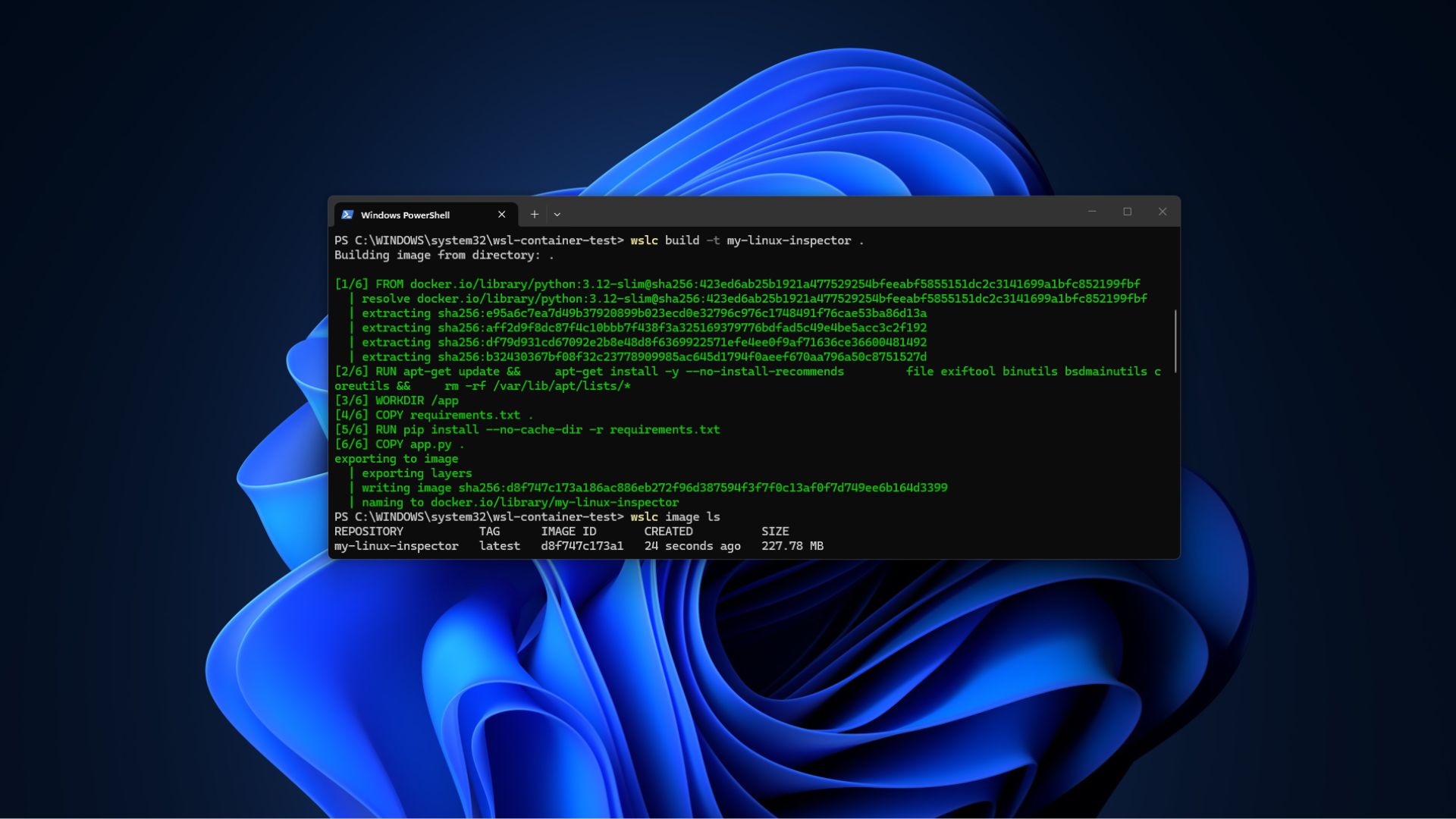
In recent years, Microsoft has brought a large number of Linux ecological tools to Windows, but many developers still believe that Linux has a more natural server development environment, while Mac has Unix ecological compatibility, stability, and excellent hardware experience. Therefore, even if Windows continues to improve the development tool chain, it may not be able to quickly change long-term usage habits.
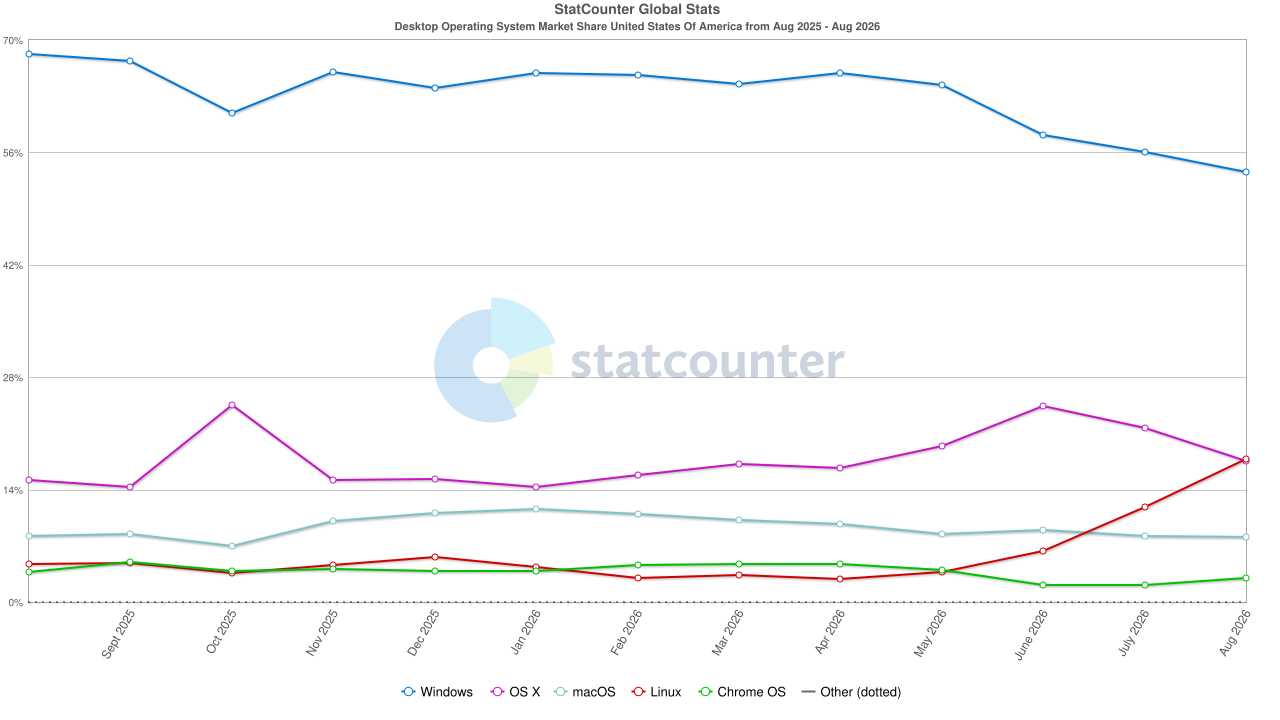
The article also mentioned that some social media discussions quoted Statcounter's data on operating system market share in an attempt to prove the real market positions of Linux and Windows. However, the author points out that such statistics are mainly based on web page visits rather than the actual number of devices used by developers, and therefore do not directly reflect the real situation in the field of software development.
For Microsoft, this result is somewhat embarrassing. On the one hand, the company is making unprecedented efforts to optimize the Windows development experience; on the other hand, among the most vocal developer groups, Windows still fails to become the preferred platform.
However, from a larger market perspective, Windows is still one of the most widely used development platforms in the world. The issue that really deserves Microsoft's attention may not be the market share itself, but why more and more developers in many emerging entrepreneurial teams and top technology companies still prefer to pick up MacBook or Linux devices for development work.
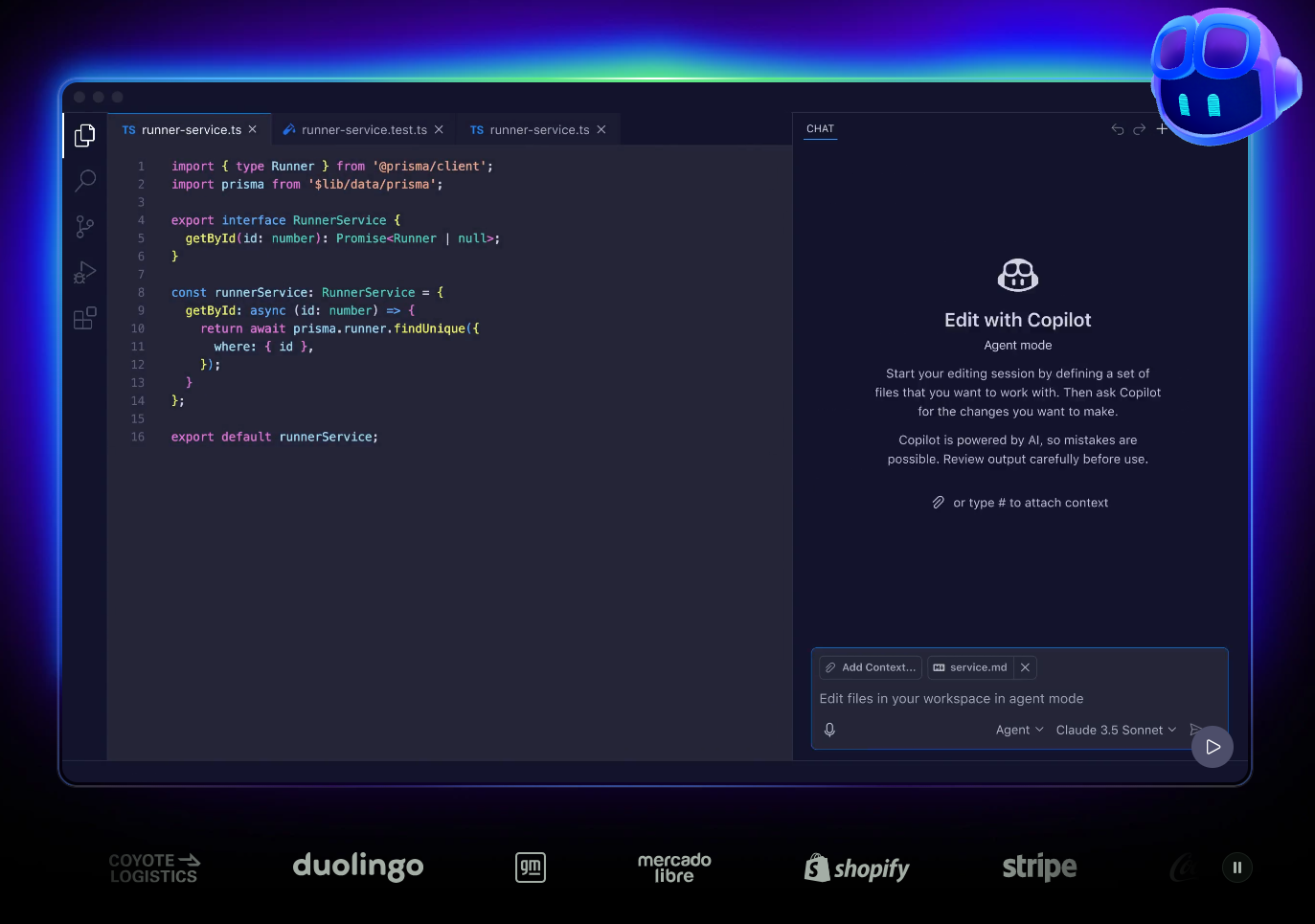
As the wave of AI development continues to advance, Microsoft obviously hopes to attract developers back through Windows 11, Copilot and local AI development platforms. But the latest survey also shows that functional updates alone are not enough to change developer culture and long-term ecological preferences. In this battle for developers, Microsoft may still have a long way to go before it can truly win back the favor of its core group.
Comments