
Abstract:
The latest industry data compiled by the International Federation of Robotics show that global sales of humanoid robots used in industrial and professional services last year were approximately 7,000 units. While the field has attracted billions of dollars in capital in recent years and frequently demonstrated difficult technology demonstrations, the overall market size is still in its infancy, in stark contrast to the explosive growth predicted for the industry in the coming years.
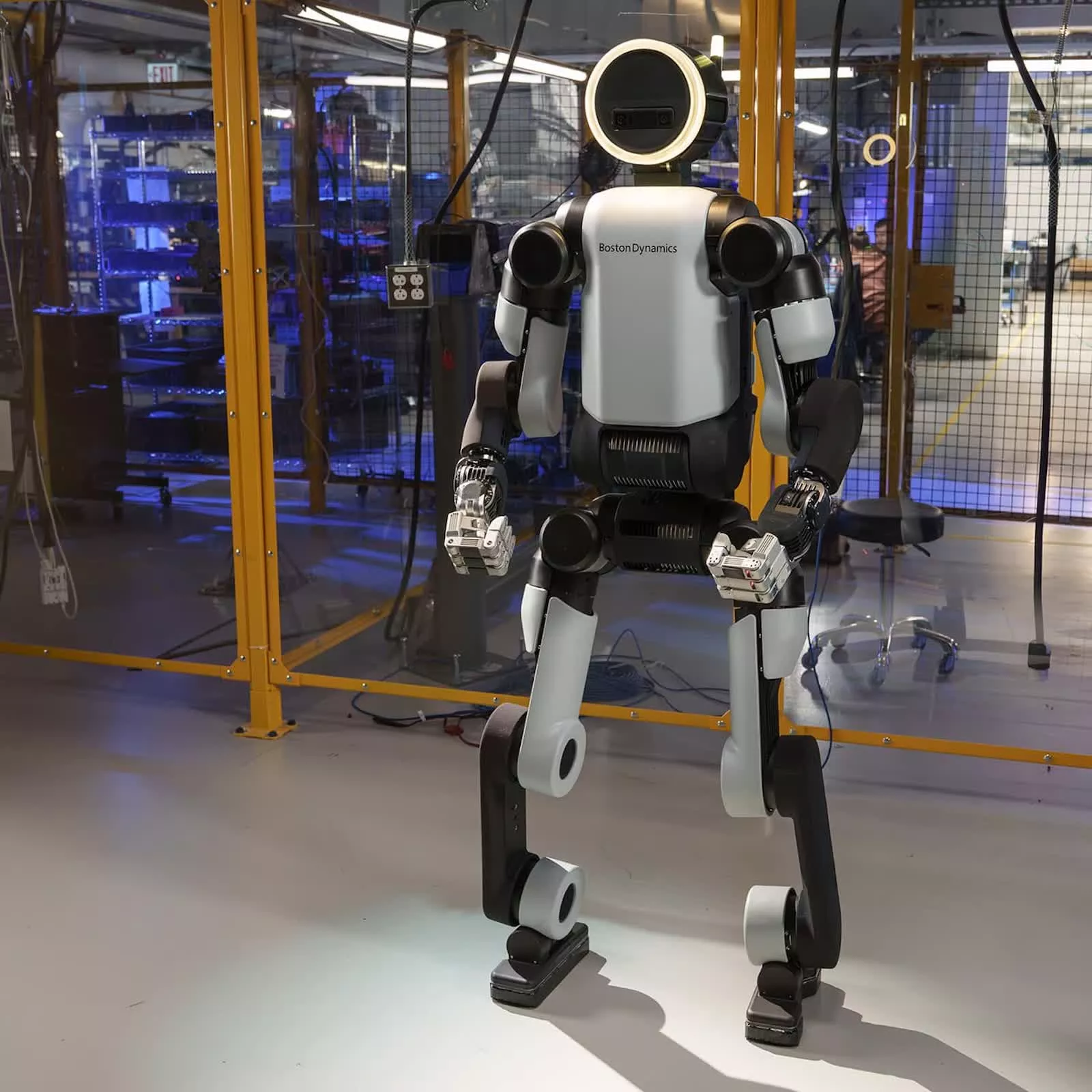
The International Federation of Robotics’ recognition standards for humanoid robots are that they have a human-like appearance and can operate autonomously in an environment designed for humans, but it is not mandatory to have two legs. Susanne Bieller, secretary-general of the International Federation of Robotics, headquartered in Frankfurt, said that humanoid robots currently account for only a very small part of the total number of robots in the world. For comparison, the number of newly installed conventional industrial robots in the world in 2024 will be approximately 542,000, and approximately 199,000 service robots will be used in fields such as transportation, catering, accommodation, and cleaning.
Statistics also show that a considerable part of the humanoid robots delivered last year were not directly put into actual production work, but were purchased by scientific research institutions or enterprises to collect data to optimize large artificial intelligence models. As representatives of early applications, automobile manufacturing companies are currently only conducting small-scale pilot deployments in factories, and the number of test deployments in a single factory is mostly in single or double digits.
Despite the current small base, financial institutions and the market are still optimistic about the long-term prospects of this field. Bank of America Global Research predicts that global shipments of humanoid robots are expected to reach 90,000 units this year, and expect this number to grow to 1.2 million units by 2030. The statistics of the International Federation of Robotics mainly come from equipment suppliers and national industry associations, covering industrial and professional service scenarios. Consumer-grade, military and medical robots are not included in this special statistics.
Comments