
Abstract:
Uber beat Waymo to launch a commercial self-driving taxi service in London, becoming the first operator in the city to launch such a business. The vehicle is equipped with self-driving technology developed by British start-up company Wayve, and will still be equipped with a safety driver in the initial stage.
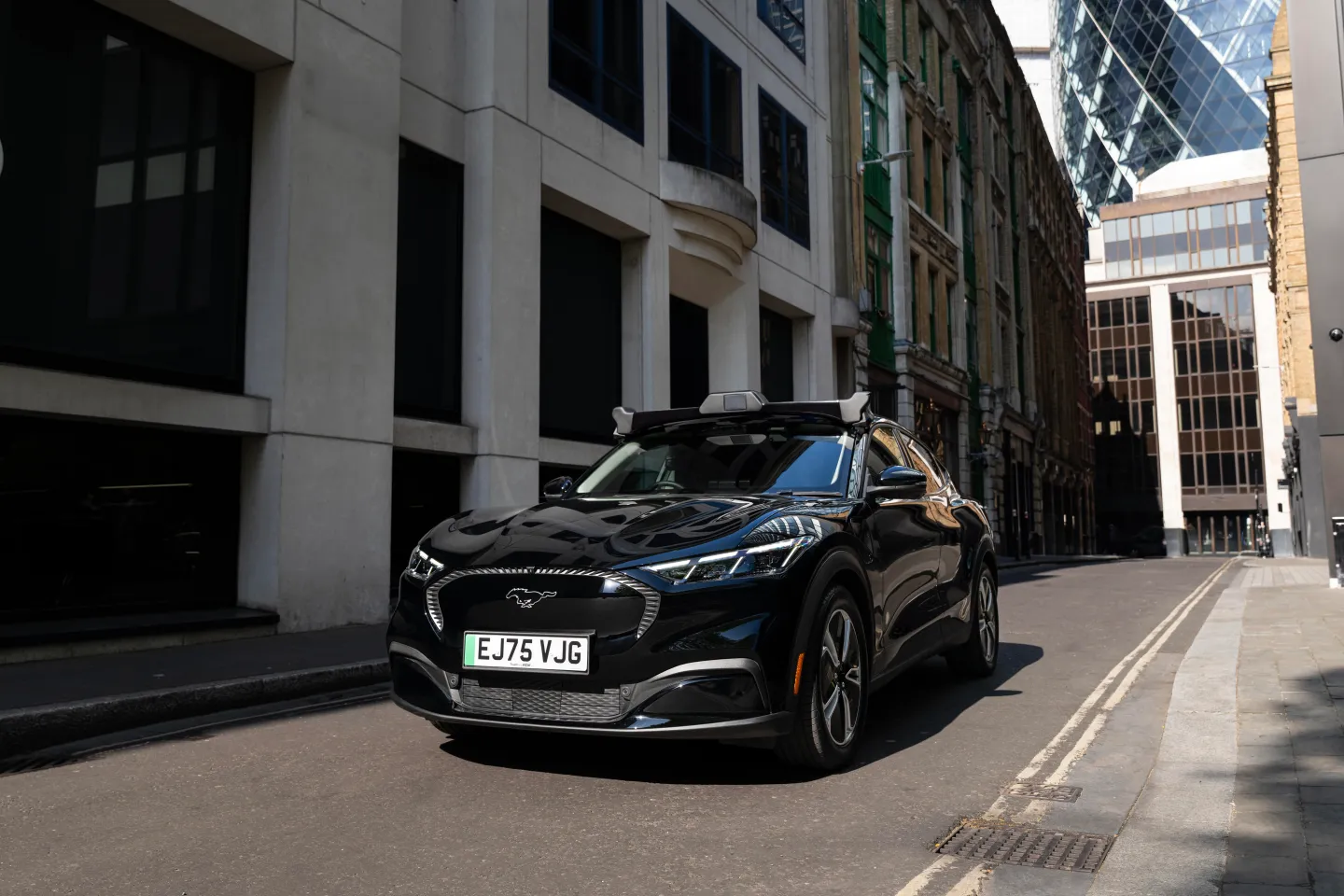
This launch is a milestone for Uber. For years, Uber has been planning to launch self-driving travel services in the UK with Wayve. The launch of Waymo this time is expected to allow Uber to establish self-driving taxi service standards for thousands of London users. It will also become an important test to observe whether there is sufficient demand for self-driving online ride-hailing in markets outside the United States and China. At present, most self-driving taxis in the world are still concentrated in the United States and China, and there are also a few related services in the Middle East.
Uber users living in London who want to experience these self-driving vehicles can express their preference in the app settings. When users request a ride through UberX, Uber Comfort or Uber Electric, they may be matched to a self-driving vehicle equipped with Wayve technology, but the platform does not guarantee that such a vehicle can be arranged every time. Wayve currently uses Ford Mustang Mach-E to build its fleet, and will also introduce Nissan Leaf in the future.
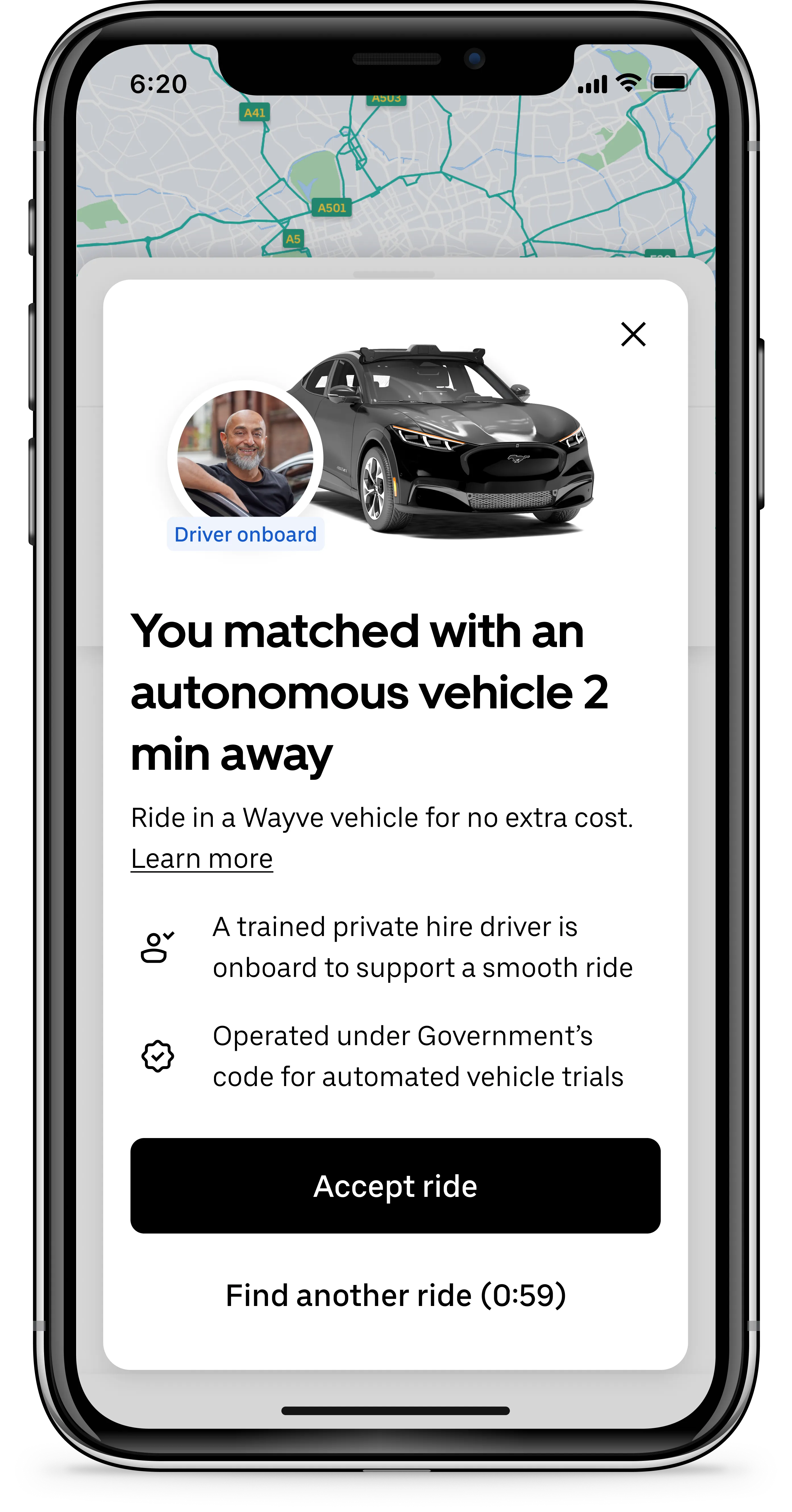
Initially, the safety driver will sit in the front seat and monitor the vehicle's driving conditions. Uber said that these drivers will not directly control the vehicle and will gradually eliminate this position in the future, eventually turning to completely driverless. All safety drivers are licensed by TfL, London's transport governing body.
Uber also said that the service will not set up geofences, which are virtual boundaries that limit the range of self-driving taxis. Wayve said that its AV2.0 system is designed to break through the limitations of traditional autonomous driving systems and be able to operate without relying on fixed geofences. Wayve describes this concept as a further development of the traditional AV1.0 autonomous driving model.
Comments