
Abstract:
Waymo, a self-driving taxi company, confirmed that it will end its exclusive partnership with Uber in the US Austin and Atlanta markets in January 2028. By then, Waymo will provide services directly to passengers through its own mobile application, instead of relying entirely on the Uber platform for operations.
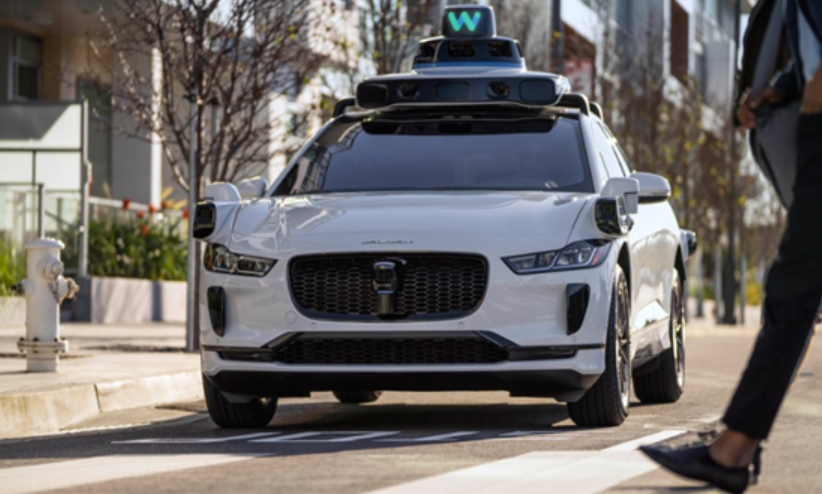
Waymo co-CEO Tekedela Mawakana said in an interview with the media that Waymo initially chose to cooperate with Uber mainly to quickly enter relevant markets by leveraging the latter's huge user scale and market coverage capabilities. However, as the business has grown, the company has increasingly focused on establishing direct connections with passengers.
Mawakana pointed out that currently when calling a ride through Uber, users are not always sure whether the ride will be a Waymo self-driving taxi or a traditional online ride-hailing ride driven by a human driver. This experience is highly uncertain. She said Waymo has received a lot of feedback from passengers who want to have a more direct connection with Waymo, so the company believes it is necessary to strengthen its relationship with users.
Waymo’s statement also confirmed previous reports that the two parties may part ways. Earlier this year there was news that Waymo was considering withdrawing from its cooperation arrangement with Uber. According to the existing agreement, the contracts between the two parties in Austin and Atlanta were originally scheduled to expire in May 2028, and Waymo plans to launch independent application operations in advance in January 2028, which means that the two service models may exist in parallel for a period of time before the end of the contract.
Regarding Waymo’s decision, Uber stated that launching an independent entrance specifically for booking Waymo’s self-driving vehicles was not Uber’s choice, but Waymo’s own development plan. According to the existing arrangement, Waymo vehicles will continue to operate on the Uber platform until the expiration of the contract.
Analysts believe that this move marks Waymo’s further transformation from a pure autonomous driving technology provider to a complete travel service platform. In the past few years, Waymo has provided self-driving taxi services through its own applications in many U.S. cities and gradually accumulated a large number of users and operational experience. As brand influence continues to grow, so does the need for companies to build direct user relationships.
However, changes in the relationship between the two parties also mean that the competitive landscape will change. Once Waymo launches standalone apps in Austin and Atlanta, Uber will lose its exclusive advantage in self-driving services, and the two companies will compete directly in these markets.
Despite this, Uber has not bet its future on Waymo as a company in recent years. The company has established cooperative relationships with a number of autonomous driving and driverless technology developers and is actively building an open autonomous driving travel network. Even as Waymo gradually operates independently, Uber can still connect other self-driving vehicle partners to its platform.
Industry insiders believe that as more and more autonomous driving companies expand the scale of commercial operations, the focus of future market competition will not only be the autonomous driving technology itself, but also include user acquisition capabilities, brand recognition, and direct service relationships with passengers. Waymo's decision to get rid of the exclusive cooperation model and strengthen its own platform construction is the latest manifestation of this industry trend.
If the plan goes ahead, by early 2028, users in Austin and Atlanta will have two options: they can continue to book self-driving travel services through Uber, or they can directly use the Waymo app to hail a ride. This change is expected to be an important turning point in the development of the U.S. self-driving taxi industry.
Comments