
Abstract:
Frank Rohmund, the exclusive supplier of optical components for ASML EUV lithography machines and head of the semiconductor business of Germany's Zeiss Group, said in a recent interview that it will take about 15 years for China to develop EUV lithography machines.
He called this a reasonable speculation, but also admitted that China's actual progress in this regard is difficult to quantify.
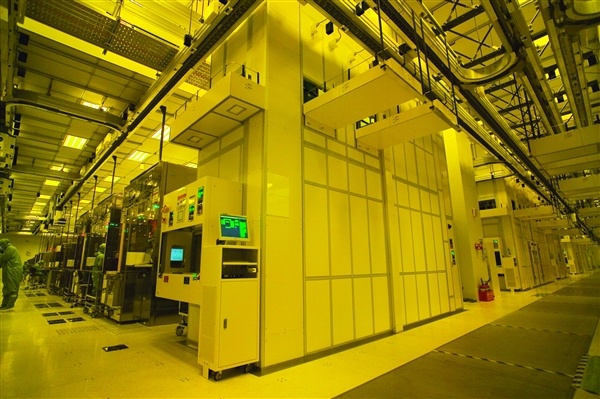
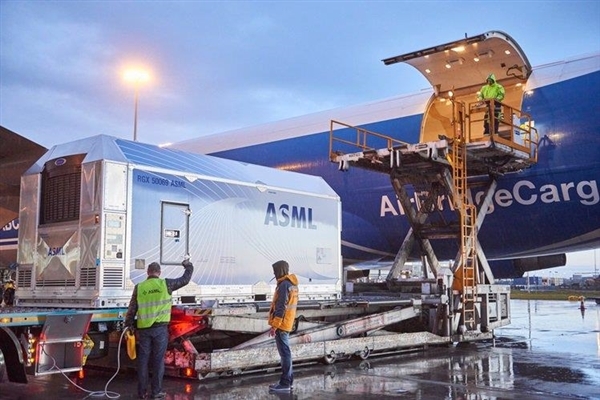
ASML is currently the only company in the world that can manufacture EUV lithography machines, and EUV technology is an indispensable key technology for the production of the most advanced chips such as NVIDIA AI accelerators. The more important the technology itself is, the greater the voice of mastering the technology. The United States is taking advantage of this advantage and turning it into a tool to suppress China's chip industry.
The United States has banned ASML from exporting EUV equipment and some advanced immersion DUV lithography machines to China, and members of the U.S. Congress are also continuing to push for the expansion of export controls to all DUV lithography machines.
Regarding the unreasonable export control measures imposed by the United States, Rohmund made it clear that if it is further expanded to traditional DUV equipment in the future, it will have a negative impact on the industry. He said bluntly: "We do not believe that these export controls will bring positive effects, because they will instead accelerate China's innovation."
To put it bluntly, the pressure of sanctions will force the Chinese R&D team to catch up. In a sense, it will force its opponents to embark on a technological rush.
This judgment is consistent with ASML CEO Fouquet's previous statement that tightening export controls to China will accelerate China's independent research and development of alternative equipment.Zeiss also admitted that China has made progress in the field of immersion DUV lithography machines. According to foreign media reports in July, a Shanghai-based company has begun manufacturing such equipment. Rohmund said,
China has invested in relevant technology research and development for decades, so China’s recent progress is not surprising.
But he also emphasized: "Now we have to observe how capable these devices actually are, because we are still far ahead."
Zeiss is the supplier of optical components used in about 80% of the world's chips. ASML acquired a minority stake in Zeiss Semiconductor Business in 2017 for 1 billion euros.
Comments