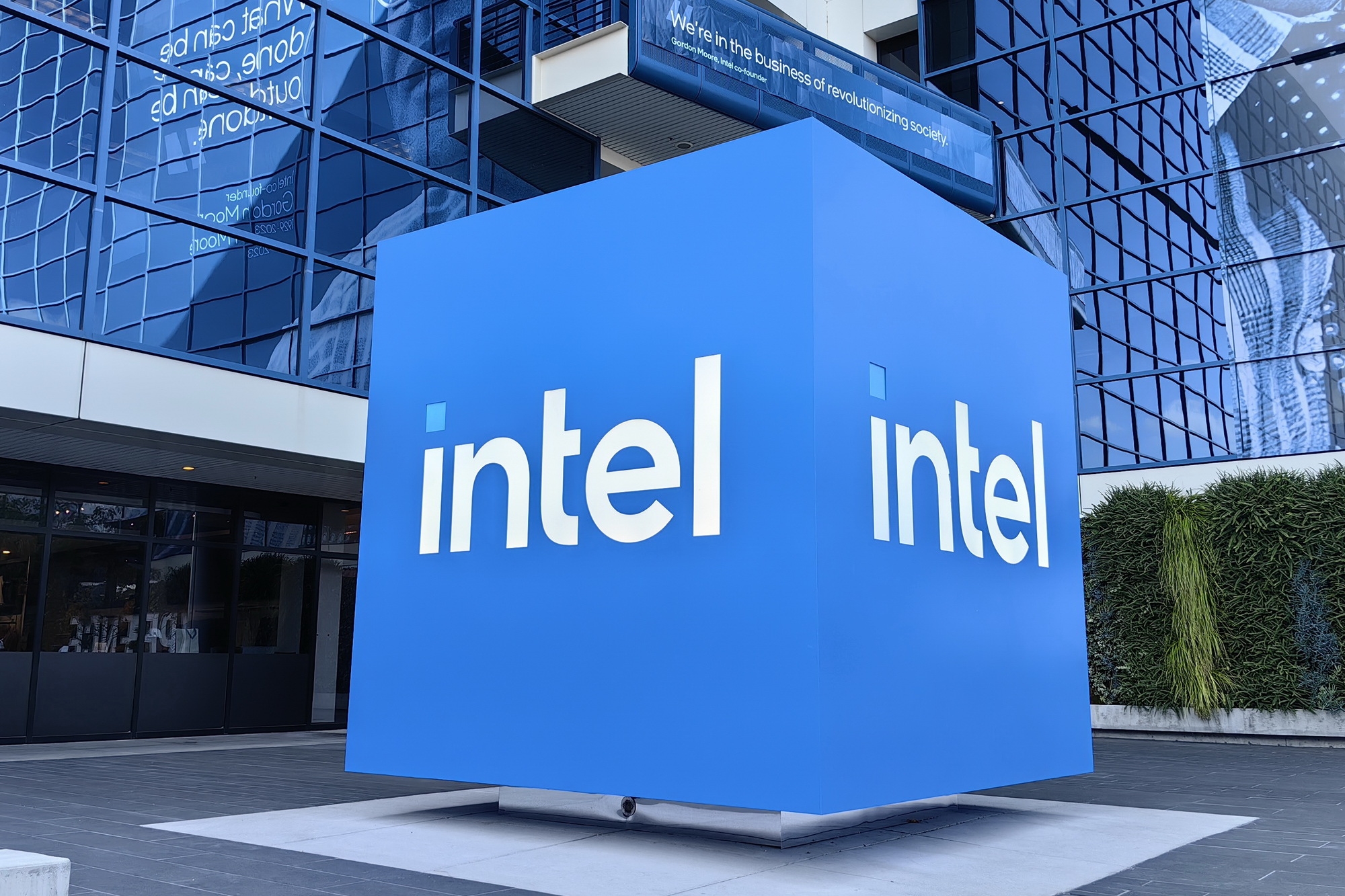
After U.S. President Trump asked Intel CEO Chen Liwu to resign, and after the two sides met to clear up their past feud and other dramatic turns, U.S. Treasury Secretary Bessent confirmed that the U.S. government will take a stake in Intel. According to insider sources,The U.S. government is negotiating to acquire a 10% stake in Intel, which would make the U.S. government the largest shareholder of Intel. This is the first time in Intel's 56-year history.
Sources said that the U.S. government’s potential investment method is to convert some or all of the subsidies Intel receives from the 2022 Chip and Science Act into equity.
It is reported that Intel is the largest beneficiary of the chip bill, receiving a total of US$10.9 billion in government subsidies, which is equivalent to the value of Intel's 10% equity. Based on Intel’s current market capitalization of US$103 billion, a 10% stake is worth approximately US$10.3 billion.
If the U.S. government acquires 10% of Intel's equity, it will become the company's largest shareholder, surpassing the current BlackRock. As of the end of June, BlackRock held approximately 8.92% of Intel's shares, followed by Vanguard Group with 8.82%.
ps. BlackRock, Inc. (NYSE: BLK), founded in 1988 by Larry Fink, is headquartered in New York, USA and is one of the world's largest asset management groups. The main businesses include pension funds, sovereign wealth funds, insurance, etc.
People familiar with the matter said there are still variables regarding the specific scale of the U.S. government’s investment and whether the White House will continue with the plan. A White House spokesman declined to comment on the details of the negotiations, saying only that a deal would wait until the government makes a formal announcement.
The U.S. Department of Commerce, which is responsible for managing the chip bill, declined to comment, and Intel did not immediately comment.
In addition to the U.S. government,Intel also attracted investment from Japan's SoftBank Group. SoftBank agreed to buy $2 billion in Intel stock on the 19th, showing its confidence in Intel.
However, the biggest question is whether the government's investment can revive Intel's business and revive the former chip giant.
Currently, Intel is stuck in stagnant sales and continued losses, and has failed to catch up with the rapid development of AI. New CEO Chen Liwu has made drastic changes in operations, but most of the reforms focus on cutting costs and streamlining personnel.
Some analysts believe that government intervention is crucial to Intel and U.S. national security, but some experts believe that Intel's problems are not just financial.