NVIDIA CEO Jensen Huang made thought-provoking remarks at a public event recently, saying that he is not sure whether traditional central processing units (CPUs) are still necessary in the future era dominated by accelerated computing and artificial intelligence (AI). Huang Renxun's statement further highlights the disruptive impact of the AI revolution on traditional computing architecture.
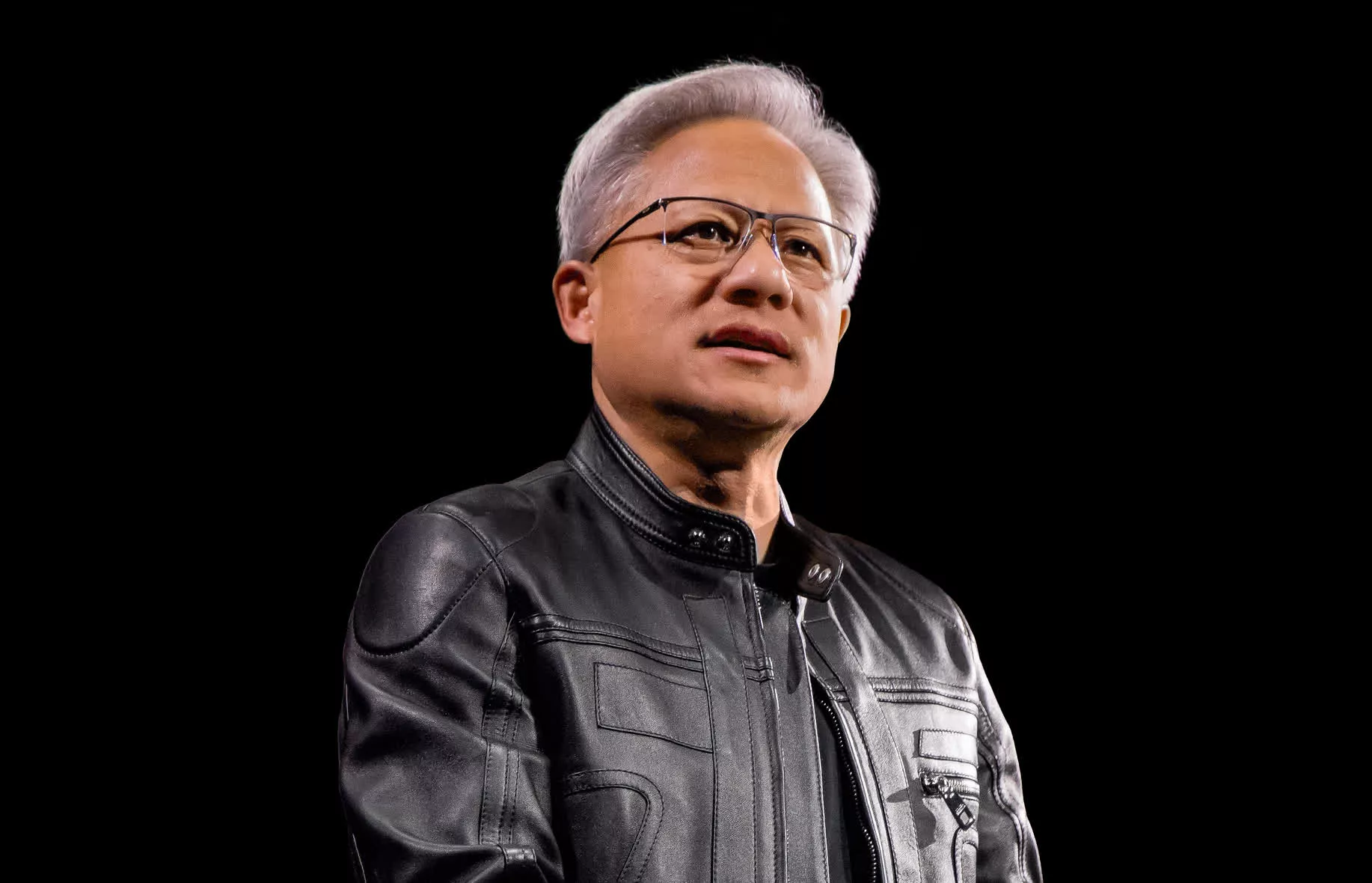
Jen-Hsun Huang has always been a staunch advocate of the concept of "Accelerated Computing". He believes that as AI, large-scale language models and massive data processing have become the core requirements of modern computing, traditional and general-purpose CPU expansion capabilities have been unable to meet efficiency requirements, and graphics processing units (GPUs) and their parallel processing capabilities are the cornerstone of future computing architecture.
When talking about this change, Huang Renxun bluntly pointed out that even a person like him at the forefront of the industry cannot give a definite answer to the evolution direction of the future computing landscape, especially as to whether the CPU will eventually be relegated to a supporting role or even gradually withdraw from the stage of history.
The core of NVIDIA's strategy is based on this judgment. The company is advancing the development of its GPU, network technology and CUDA software ecosystem at an unprecedented speed, aiming to move the data center away from the traditional CPU-centric (CPU-centric) model and shift to a GPU-centric (GPU-centric) accelerated computing model. Huang's comments can be seen as a clear signal to his competitors and the entire PC industry: In an AI-defined future, the dominance of general-purpose computing is over.
Analysts generally believe that Huang Renxun's remarks do not indicate that the CPU will disappear immediately, but that the CPU will no longer be the core computing resource of data centers and high-performance computing (HPC) in the future, and its main role will be replaced by the GPU. This candid admission, coming from the leaders of the company that currently dominates the global AI hardware market, has undoubtedly sounded the alarm for the entire technology community, prompting all chip designers and hardware manufacturers to re-examine and define the architecture of the next generation computing platform.