The latest report from Jefferies Equity Research shows that due to the continued shortage of global memory supply, the prices of memory products such as DRAM will continue to rise sharply in 2026. It is expected to rise by 40% to 50% month-on-month in the third quarter, and will rise again by 30% to 40% in the fourth quarter, and record an annual increase of 40% to 45% in 2027. The industry is not expected to see a certain degree of price fall until 2028.
The report points out that under the combined influence of soaring demand for AI computing power, limited release of new production capacity, and a large number of long-term supply agreements signed by leading customers, the global memory market will enter a high-price cycle that will last for two years, putting the cost of materials for consumer electronics terminals such as PCs, mobile phones, and game consoles under comprehensive pressure.
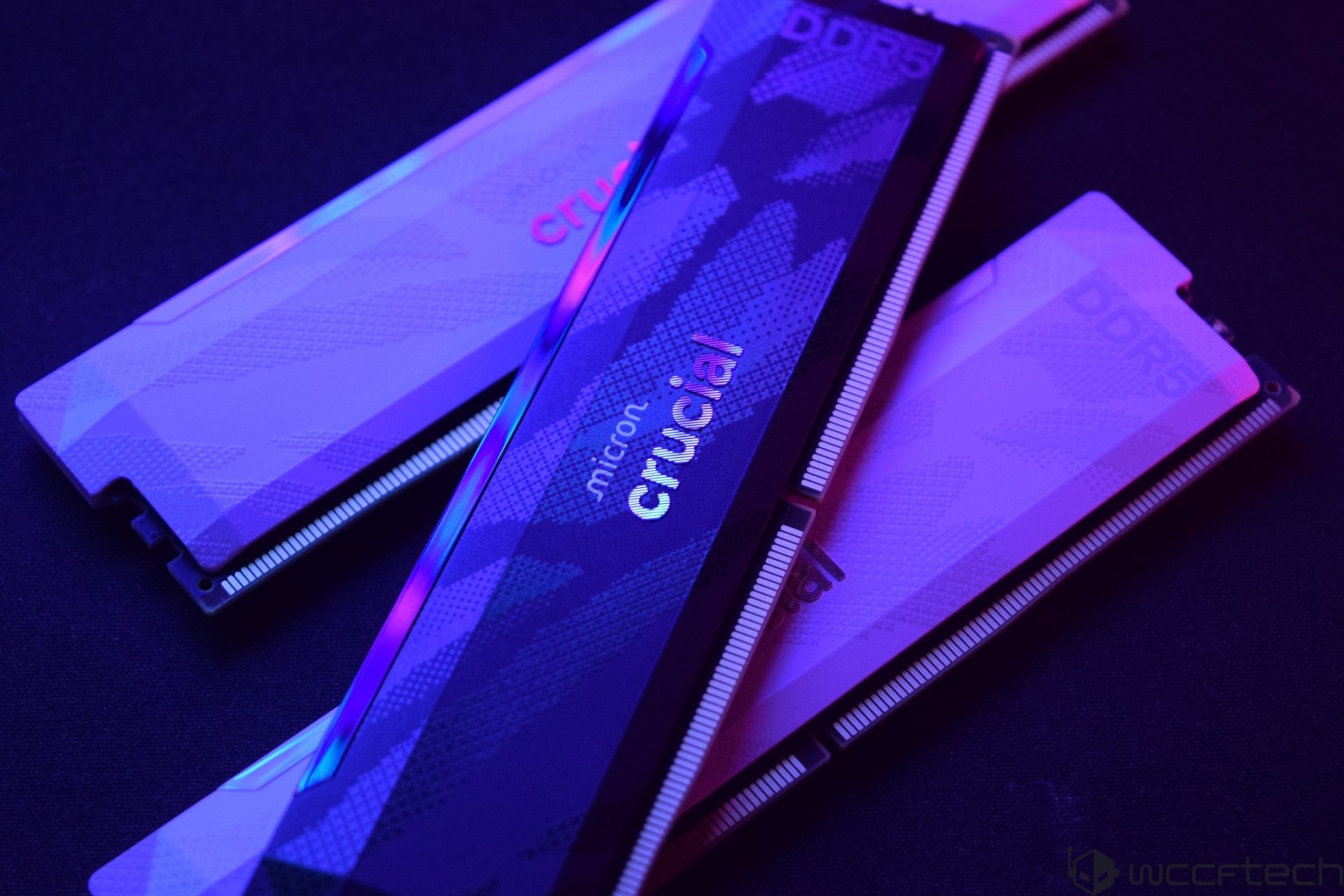
According to Jefferies' forecast, memory prices will rise by 40% to 50% quarter-on-quarter in the third quarter of this year, followed by a further quarter-on-quarter rise of 30% to 40% in the fourth quarter. By 2027, full-year price increases are expected to be 40% to 45% year-on-year. The report believes that real phased relief may not occur until 2028, when about 15% to 20% of new production capacity is gradually put into operation, and the average selling price (ASP) is expected to fall slightly. However, in the context of AI and high-performance computing demand continuing to rise, the actual buffering effect of this part of new supply is limited.
Currently, about half of the world's memory production capacity has been locked in multi-year contracts with cloud services and large technology companies through long-term agreements (LTA). Micron has signed 16 contracts under the framework of five-year strategic customer agreements. This proportion may further increase to 70% in the future. Jefferies pointed out that this means that spot and short-order supply for consumer markets such as PCs, laptops, game consoles and smartphones will further tighten, and the memory costs and complete machine prices of consumer end products are facing continued upward pressure.
The report also mentioned that the three major DRAM manufacturers, Samsung, SK Hynix and Micron, have not given positive guidance for significant improvement in supply, and the "cheap Chinese memory" that the market had previously hoped for has proven to be a myth. The price of DDR5 products from manufacturers such as China Changxin Memory is basically the same as that of Samsung, SK Hynix, and Micron. They have not shaken the global price system through "low-price competition" in the short term. Their advantages are mainly reflected in the scale of supply, but they still mainly cater to the domestic market.
In this environment, international manufacturers such as Apple have also begun to re-evaluate their use of Chinese memory. There are reports that Apple is lobbying the Trump administration in the hope of relaxing restrictions on companies such as Changxin Memory to ease the memory cost pressure on their products. In recent years, as the memory capacity of Apple's high-end models has continued to increase, coupled with the overall price increase in the industry, many of the company's products have seen significant terminal price increases, and its supply chain pressure is being transmitted to consumer prices.
Jefferies believes that the view that "China's DRAM and NAND will rapidly rewrite the global market" remains an "exaggerated narrative" between 2026 and 2027. The report pointed out that China's memory products have not formed a decisive advantage in price, and their real impact on the global market may not have until after 2028. As companies such as Yangtze Memory and Changxin Memory advance "epic expansion" plans and accelerate the implementation of new wafer fabs and production lines, China is expected to have enough inventory and supply capabilities to take into account both domestic and overseas markets.
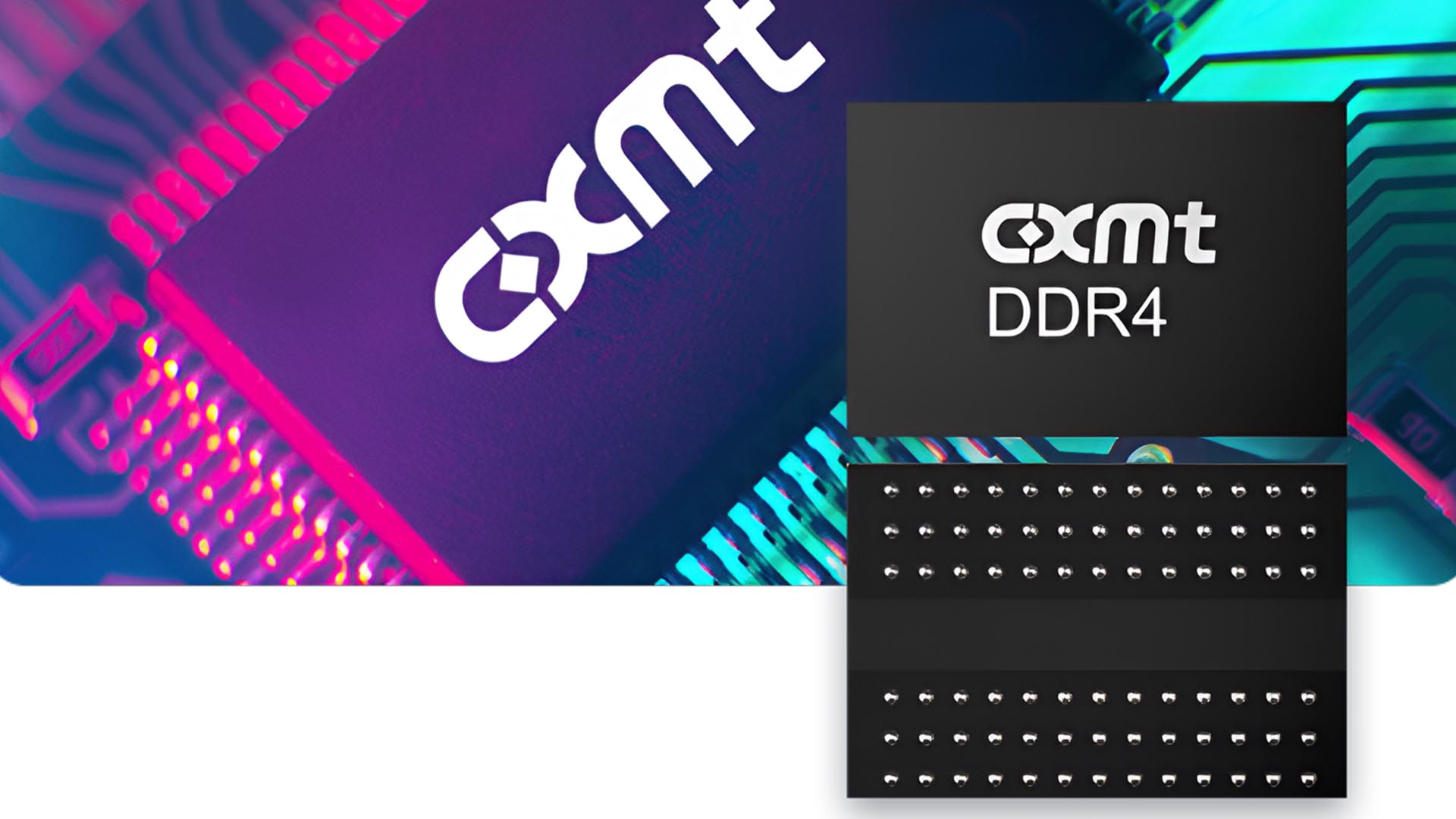
Analysts commented that this round of unexpected price increases is mainly driven by global supply shortages and process node migration. At the same time, the dominance of cloud service providers in long-term agreements is reshaping the supply distribution structure, making it more difficult for consumer electronics to obtain stable and reasonably priced memory resources. The report reminds that downstream manufacturers need to make cost and product strategy adjustments in advance to cope with the continued high price environment from 2026 to 2027, while end users should expect PCs, mobile phones and other electronic products to face a significant increase in memory-related costs in the next two years.