
Abstract:
Apple is accelerating its entry into the smart home market, and for the first time, relatively complete physical design information has appeared for a series of new products developed in cooperation with LG Electronics. According to documents submitted by the U.S. Federal Communications Commission (FCC) and related technical reports, LG is building at least seven accessories for Apple’s upcoming smart home ecosystem, including smart thermostats, temperature sensors, smart door locks, wired video doorbells, indoor cameras, outdoor cameras and floodlight cameras. Although Apple did not appear in these regulatory documents, Bloomberg has previously reported that Apple was involved in the design, functional planning and engineering development of these products.
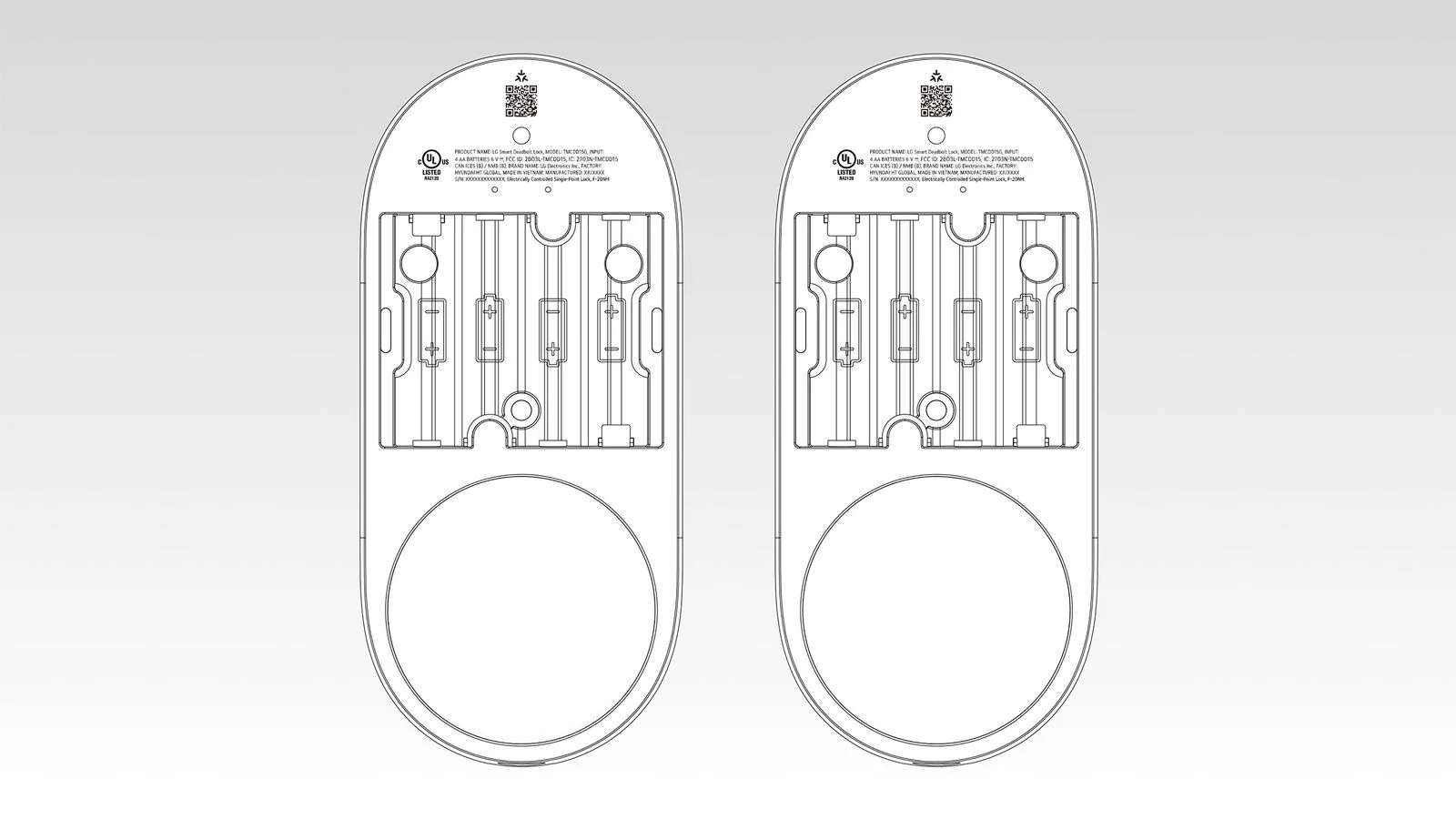
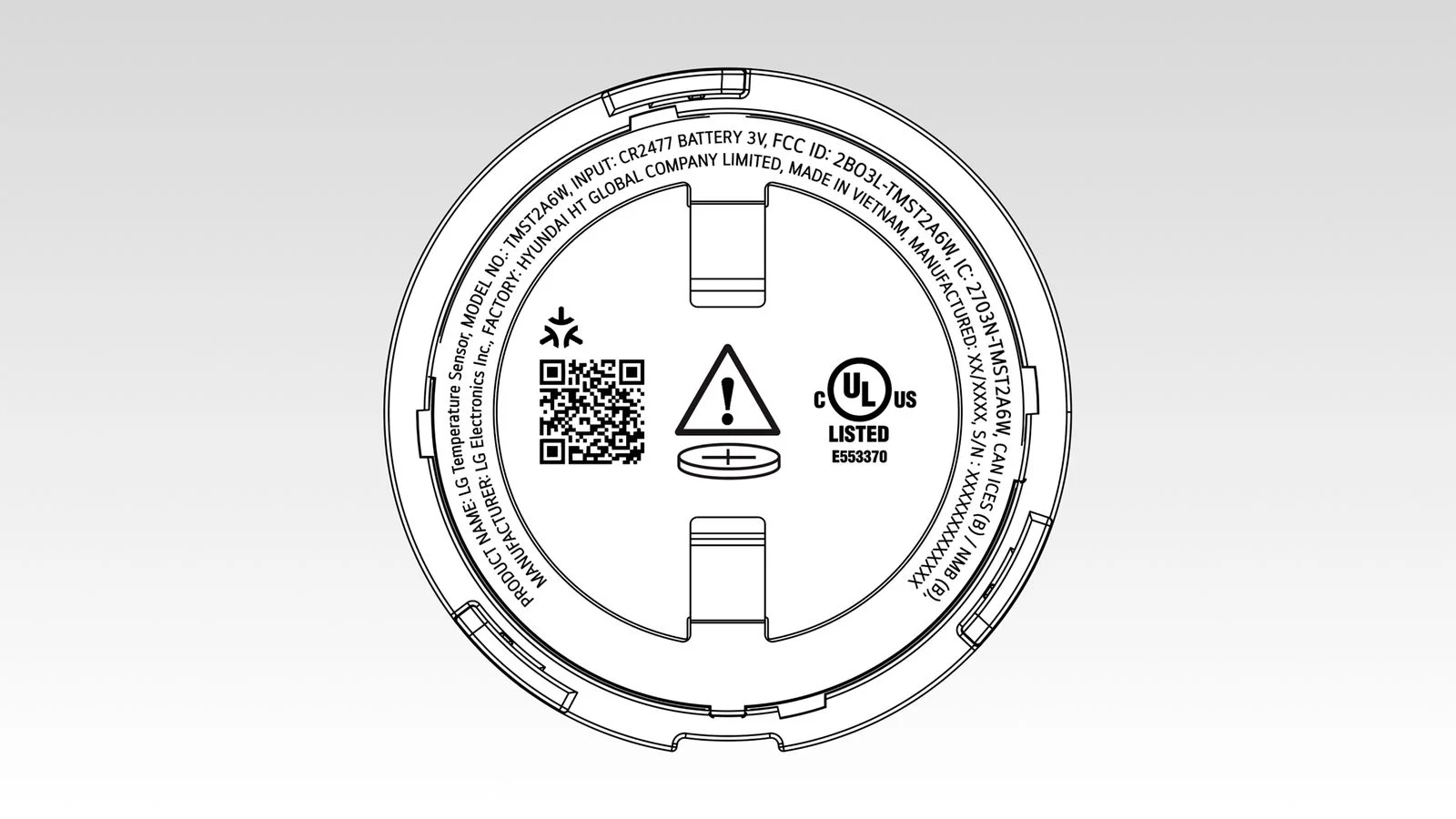
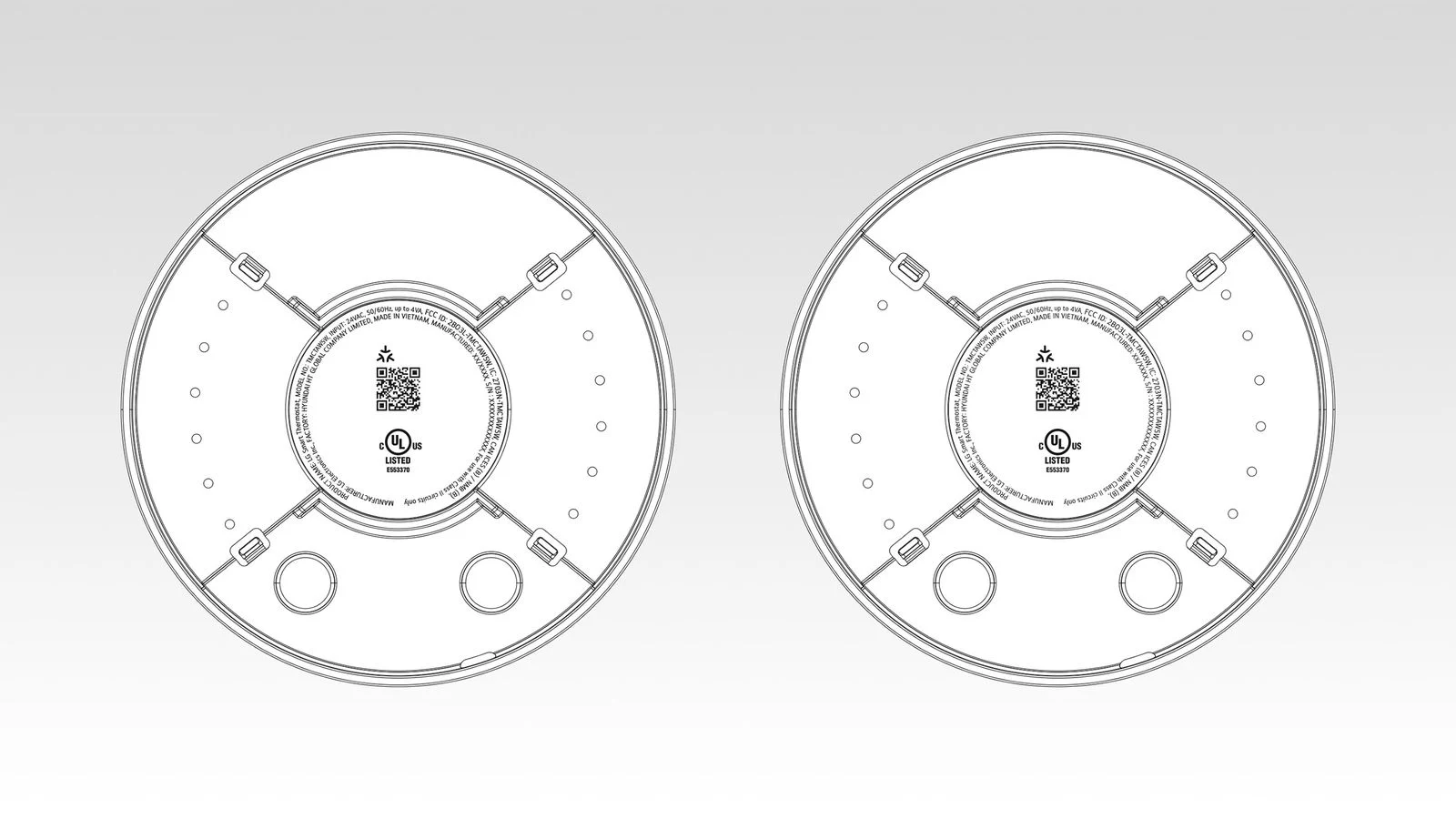
The three products exposed this time are smart thermostat TMCTAW5W, temperature sensor TMST2A6W and smart door lock TMCDD15G/TMCDD15S. The FCC document not only provides product shell and label layout diagrams, but also discloses some technical test data, so for the first time, the outside world can have a more detailed understanding of the smart home hardware that Apple and LG are building.
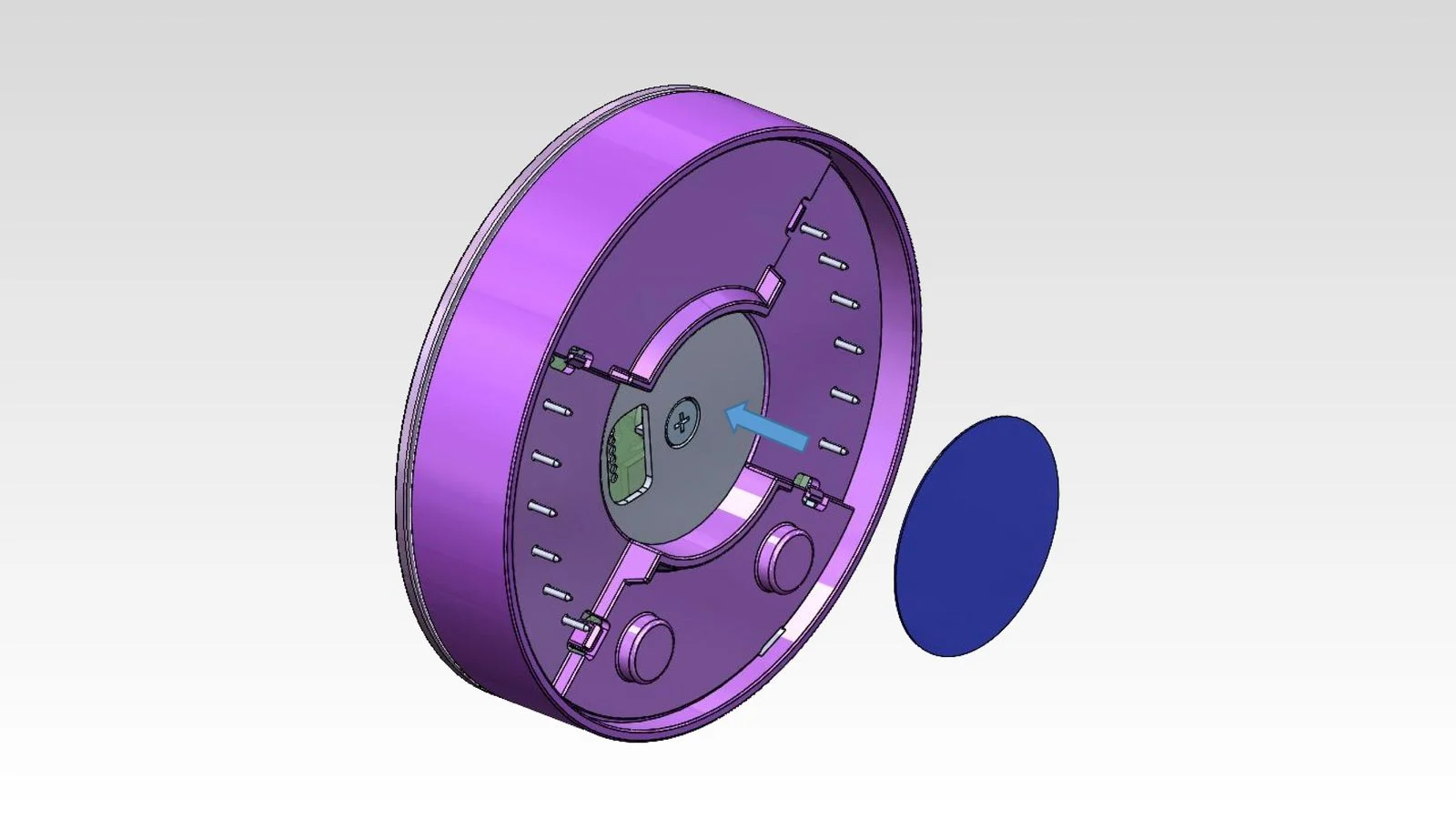
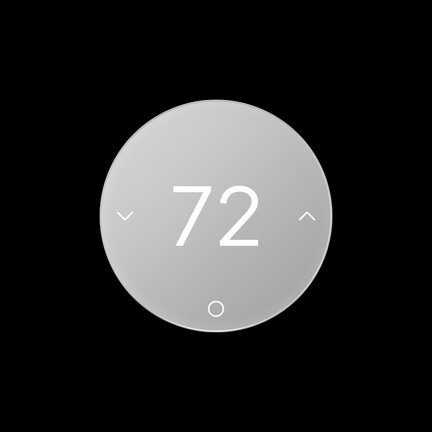
The smart thermostat adopts a round "disc" shape, with slightly raised edges, and the overall design is quite simple. There is a power interface in the center of the back of the product, and there are two circular structures below. It is powered by 24V AC and has the Matter logo and QR code setup code printed on the center of the back, surrounded by regulatory information. The internal terminal blocks are arranged in two sets of arcuate areas.
In terms of wireless connection capabilities, this thermostat supports 2.4GHz and 5GHz Wi-Fi, Bluetooth and Thread, and also has a built-in 60GHz radar. The latter is of particular concern because 60GHz radar can be used to detect whether people are close to the device.
According to the information disclosed by the whistleblower "pdfu", the thermostat also has the so-called "Far Sight Display" remote display mode, which can display humidity information and provide screen brightness and language settings. Users can also calibrate the temperature, or set a temperature offset to account for possible differences between where the thermostat is measuring and the actual indoor felt temperature.
The second product is a circular temperature sensor, model TMST2A6W. It is powered by a 3V CR2477 button battery, and the product name, model and manufacturing information are printed on the back. The central area contains the Matter distribution network code, battery warning mark and UL certification mark.
This sensor supports Bluetooth low energy and Thread wireless connections, and can detect temperature and humidity at the same time. It has a magnetic structure on the back and can be directly adsorbed on metal surfaces; if you need to install it on other surfaces, you can use the included metal mounting plate with glue. The battery is replaceable, and the device is able to alert you when the battery needs replacing.
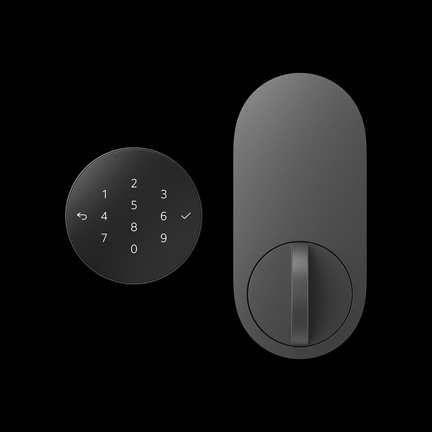
The third product is a smart door lock. The models exposed this time include TMCDD15G and TMCDD15S, which correspond to graphite and silver versions respectively. The inside of the door lock adopts a tall longitudinal body design, with the upper and lower ends curved, while the middle maintains a relatively straight structure.
The door lock is powered by 4 AA batteries, which are installed vertically side by side on the upper half of the fuselage. Below is a larger rotating circular structure, occupying almost the entire lower half. Matter distribution codes and regulatory information are located above the battery compartment.
This door lock has rich wireless functions and supports Bluetooth, Thread, NFC and UWB ultra-wideband technologies. The most notable of these is UWB. FCC related documents show that the door lock can first verify the access credentials of the compatible device through Bluetooth, then use UWB to determine the distance and position between the device and the door lock, and perform the unlocking operation after meeting the conditions. This is more accurate than relying solely on Bluetooth signals to judge distance, and further explains the "automatic unlocking by proximity" function previously reported.
According to relevant revelations, the door lock's numeric keypad can be rotated to open, and the rotation pin included with the product can also limit its direction of movement to prevent the keypad from hitting a nearby wall when it is opened. The door lock also provides settings such as touch panel light ring control, "door not closed reminder" and lock sound volume adjustment.
In terms of functions, this door lock is said to support automatic unlocking, click to unlock, emergency power supply and master password, and comes with two mechanical keys. It can accommodate door lock installation sizes of 60.3 mm and 69.9 mm, so it can cover a considerable part of the installation environment of traditional residential door locks.
These three products all use the Matter ecosystem, which is very important to Apple’s smart home strategy. The significance of Matter is to enable smart home devices from different manufacturers to work together under a unified standard, while Thread can be used as a low-power, low-latency local network connection method. For Apple, this means that these LG devices can not only become standalone smart home products in the future, but are also expected to become an integral part of the Apple Home ecosystem.
It is worth noting that Apple will not produce these devices itself. Regulatory documents show that related products will be produced by LG and sold under the LG brand, while Apple will participate in product design, functional planning and engineering development. This cooperation model allows Apple to quickly expand the Home ecosystem while avoiding itself from bearing a large amount of hardware production, inventory, after-sales and supply chain management costs.
This is actually somewhat similar to the way Apple has cooperated with LG in the past. Apple has previously partnered with LG to launch UltraFine 4K and 5K monitors for Mac users. LG is also an important display panel supplier to Apple. In 2024, LG also acquired 80% of Athom, the parent company of smart home platform Homey, which may further enhance its ability to enter the smart home hardware market.
Judging from the product lines currently exposed, Apple is obviously not satisfied with launching a separate smart home control center. The seven products LG is responsible for have covered multiple fields such as home temperature control, environmental monitoring, door locks, doorbells, and indoor and outdoor security monitoring. If these products can eventually be deeply integrated with Apple's Home app, Siri, and the upcoming smart home hub, Apple is actually trying to build a complete home hardware ecosystem.
Apple is currently preparing its own smart home control center. The rumored product has a square screen of about 6 inches, and is available in both a wall-mounted version and a desktop version similar to the iMac G4 design. It can be used to control home devices, make FaceTime video calls, check weather and calendar, play photos, and run other home information functions. The device is expected to use an A18 or higher specification chip and support Apple Intelligence and a new generation of Siri.
Apple is expected to release new smart home products on October 13, including this new home control center, Apple TV 4K and a new generation of HomePod mini. However, this batch of smart home accessories produced by LG is not expected to be launched simultaneously, but will take several months to be officially launched.
It is worth mentioning that LG’s camera products are not equivalent to Apple’s own smart home cameras. The latest news from Bloomberg shows that Apple is still developing its own home security camera and sensor products separately, which are completely different from LG's products. Apple's self-developed solution is expected to be launched in 2027, with a strong emphasis on privacy protection, and plans to use AI to analyze the home environment instead of continuously recording videos.
From the overall strategy, Apple seems to be taking a completely different approach to smart home expansion than in the past. Apple is responsible for the core platform, software, artificial intelligence and product design, while partners such as LG are responsible for the production and support of a large number of specific hardware products. This can maintain the consistency of Apple's ecosystem and quickly expand product coverage.
If the complete product lineup currently exposed is finally formed, Apple's future Home ecosystem will no longer be just a combination of HomePod, Apple TV and third-party HomeKit devices, but may gradually develop into a complete set of hardware systems covering door locks, thermostats, environmental sensors, doorbells and home security monitoring. For Apple, which has long lagged behind competitors such as Amazon Ring, Google Nest and Samsung SmartThings, this may be an important signal that its smart home strategy is really starting to take effect.
Comments