
Abstract:
As memory purchase costs continue to rise and supply is insufficient, some computer manufacturers have begun to consider reducing hardware configurations to control the price of the entire machine. ASUS co-CEO Xu Xianyue recently said that some low-end and mid-range computers originally came with 16GB of memory as standard, but may be reduced to 8GB of memory in the future.
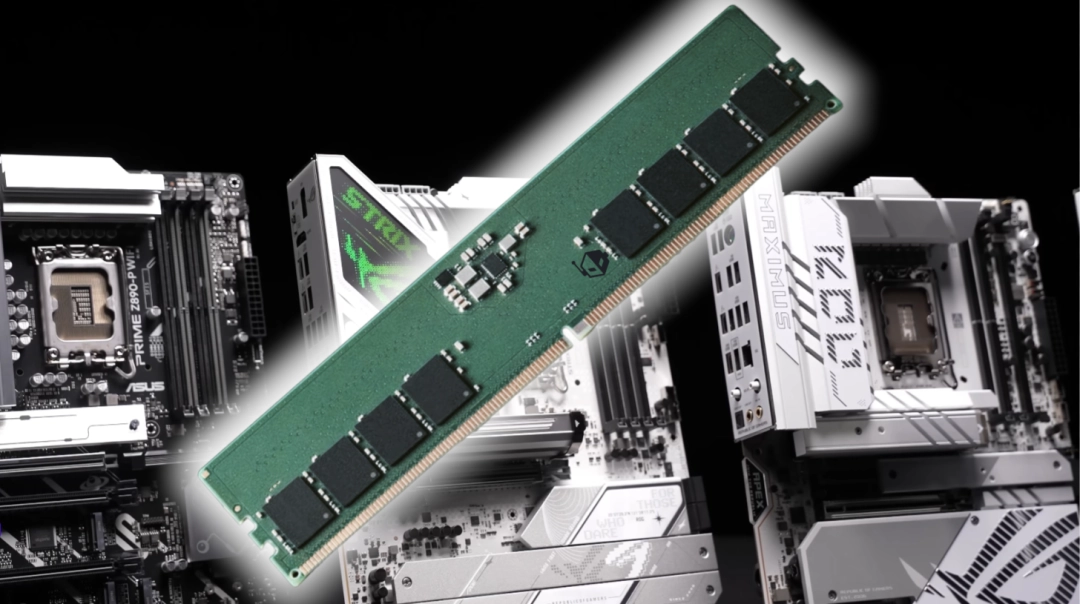
Xu Xianyue said at the Asustek 26Q3 performance briefing that it is difficult for the mid- to low-end market to accept all increases in memory costs being passed on to product prices, so Asustek is considering adjusting the standard configuration of such computers to avoid an increase in the retail price of the whole machine.
At present, the cost of memory accounts for an increasing proportion of the total cost of smartphones and computers. In order to offset the increase in memory costs, manufacturers such as ASUS have successively raised computer prices in 2026. However, the continuous increase in retail prices will also cause more consumers to postpone the purchase of computers.
For price-sensitive mid-to-low-end products, reducing memory capacity can help ASUS control component costs and alleviate the pressure caused by continuing to increase selling prices. Xu Xianyue said that in the past, many low-end and mid-range devices were equipped with 16GB of memory as standard to ensure user experience. However, as memory costs continue to rise, some models may be forced to change to 8GB.
Xu Xianyue also mentioned that ASUS has cooperated with Microsoft on memory issues. That is, Microsoft has reduced the memory usage by optimizing the underlying system architecture in the new version of Windows 11, so that 8GB of memory can ultimately provide an acceptable user experience.
However, Xu Xianyue did not elaborate on the specific cooperation content between ASUS and Microsoft. Microsoft has previously announced its memory adjustment plan. However, judging from the situation that Bluepoint.com has paid attention to, Microsoft's optimization cannot bring significant improvements, and small memory is still a shortcoming.
In addition, Asus also expects that high memory costs will severely limit the overall shipments of computers. Asus said that global computer shipments may drop by 10% to 15% in 2027, with the decline mainly concentrated in the first half of the year, and the situation may improve in the second half of next year.
Comments