
Abstract:
At the recent IFA 2026 exhibition, Microsoft officially confirmed that it is launching a new round of key performance optimizations for the Windows 11 system, which includes significantly shortening the system boot time and enabling the lock screen interface to appear almost instantly. At the same time, Microsoft once again made a clear commitment that the upcoming major update will significantly improve the running performance of Windows 11 on 8GB memory (RAM) devices and make security features such as Windows Hello more responsive. However, Microsoft did not announce specific performance improvements or quantitative test benchmark data at this event.
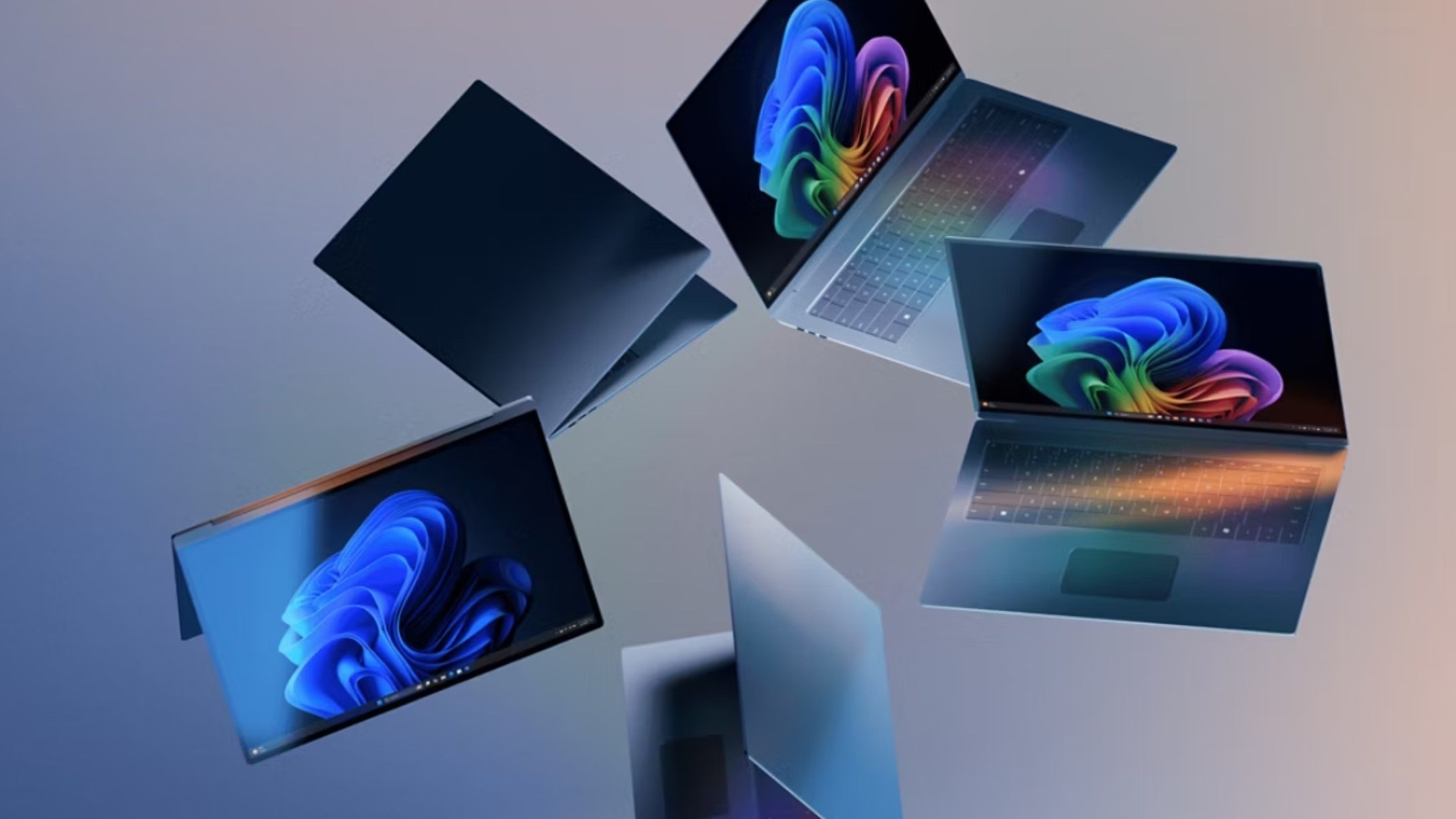
During 2026, Microsoft will focus a considerable amount of its energy on basic experience fixes to "recover the advantages of past versions", including reintroducing a movable taskbar, supporting a freely resizable Start menu, and promoting native applications to replace the previously criticized Web shell components. According to the established plan, Microsoft will officially launch the resizable Start menu and movable taskbar in the September 2026 routine security patch (Patch Tuesday) pushed on September 8, and allow users to completely remove Bing networking content from Windows search.
In addition to the above-mentioned updates that have been confirmed to be pushed with monthly patches, Mark Linton, corporate vice president of Microsoft's Windows and Device Division, further disclosed lower-level performance improvements during his speech at IFA 2026. Linton said that the system has made substantial breakthroughs in a number of basic indicators, especially in terms of system startup time and Windows Hello biometric response speed. He emphasized that the team is continuing to listen to user feedback and constantly polishing the underlying fundamentals of Windows. With the gradual distribution of updates in the future, users will be able to intuitively feel the improvement of the system's operating status. The faster boot experience has not yet appeared in the Insider preview version pushed to the outside. The performance leap mentioned by Linton on the spot is likely to still be in the Microsoft internal test version stage.
Optimizing hardware resources is also the core focus of this announcement. Affected by factors such as the previous increase in memory costs in the supply chain, many notebook computer manufacturers still maintain or even fall back to 8GB memory configurations on low-end models. This has prompted Microsoft to return its attention to the optimization of low-memory devices. Linton reiterated at the meeting that the team is conducting in-depth tuning to ensure that the 8GB memory model can also maintain "extremely good" operation. Although 8GB of memory is no longer the first choice in serious productivity scenarios, the industry generally believes that Microsoft's efforts to squeeze out the underlying overhead and reduce memory usage for 8GB of memory can also fully benefit PC users with 16GB, 32GB and even higher specifications.
This strategic change also reflects Microsoft’s fine-tuning of its device-side AI promotion strategy. Previously, the Copilot+ PC launched by Microsoft set 16GB of memory as the entry threshold, making existing hardware, including some of Microsoft's own 8GB Surface devices, unable to qualify for Windows official AI hardware certification. However, the practice of forcing users to upgrade large-capacity memory on the grounds of AI functionality has to a certain extent increased the selling price of terminal equipment and triggered market criticism. Now, Microsoft has chosen to go back and focus on optimizing the bottom layer of the system. It not only clearly proposes to regain a smooth experience for 8GB memory devices, but also shows that Microsoft is trying to balance the relationship between system resources and intelligent upgrades while maintaining the bottom line of daily basic performance.
Comments