
Abstract:
A latest field tracking study published in an authoritative international ecological journal has overturned the scientific community's long-term understanding of reptiles' migration behavior and rewilding adaptability. Long-term telemetry monitoring jointly carried out by wildlife conservation agencies and scientific research teams showed that a group of crocodiles that were artificially bred and finally released into nature protected waters did not try to travel long distances to "return to their homeland" or wander around aimlessly as researchers expected. Instead, they quickly adapted to the new wild living environment and established a highly stable and territorial habitat around the release point.
This unexpected adaptive behavior provides an extremely valuable new paradigm for the reintroduction and population rejuvenation projects of globally endangered large carnivorous reptiles.
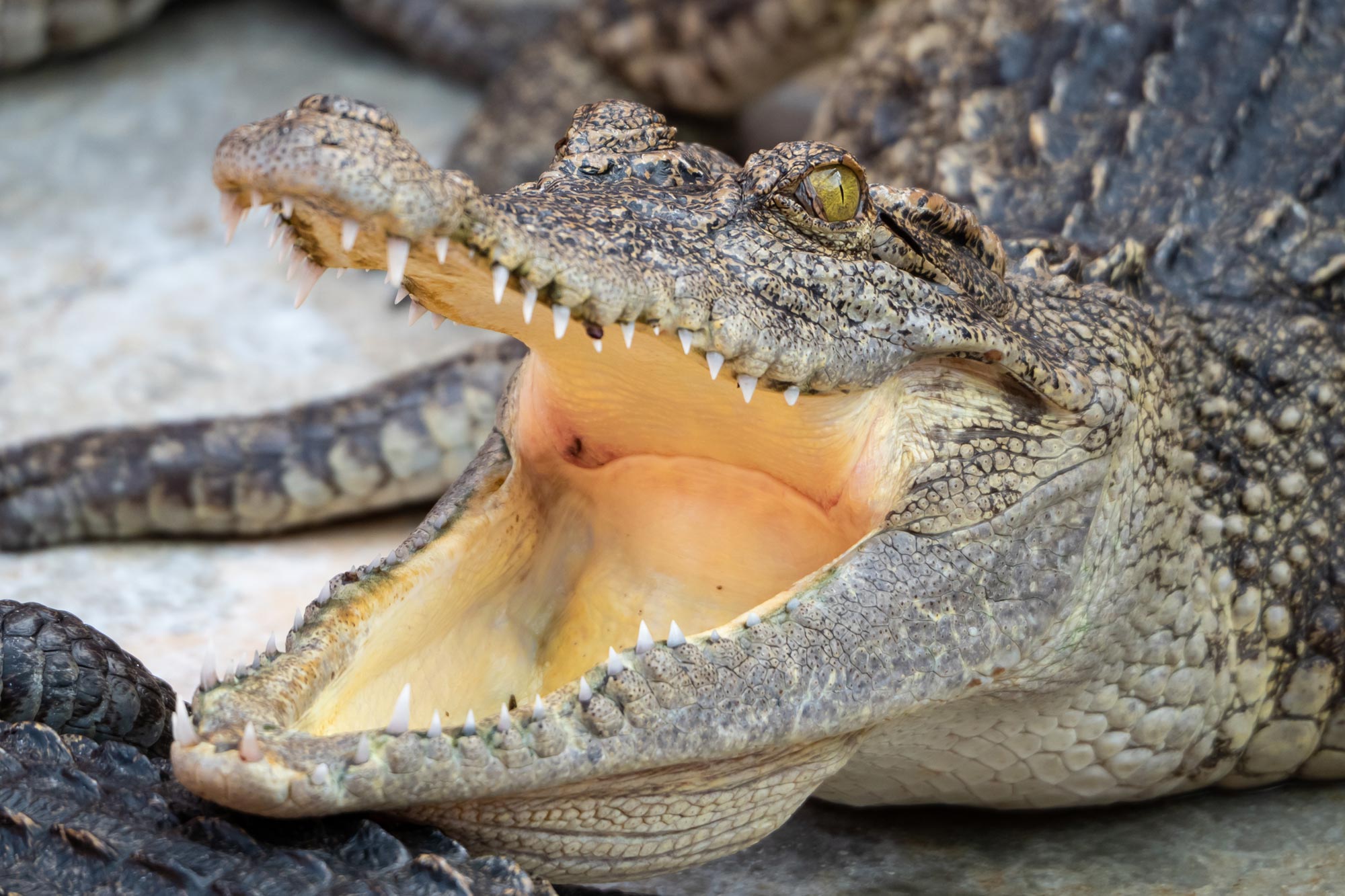
Adult wild crocodiles have long been known in the zoological community for their extremely powerful "homing instinct." A large number of previous scientific research records on wild-caught and relocated crocodiles have shown that even after being caught and transported by boats or vehicles to unfamiliar watersheds dozens or even hundreds of kilometers away, these apex predators can rely on their keen geomagnetic induction, celestial navigation and water flow olfactory clues to persistently swim long distances back to their original habitat within weeks to months. Due to this strong homing drive, many off-site rewilding projects aimed at alleviating conflicts between humans and crocodiles often have little effect. Scientific researchers have also been generally worried that once crocodiles raised in artificial environments or captive breeding bases are released into unfamiliar nature, they may migrate blindly due to a lack of identification with the new environment, and then face huge risks of starvation, casualties over territory, or straying into areas with dense human activities again.
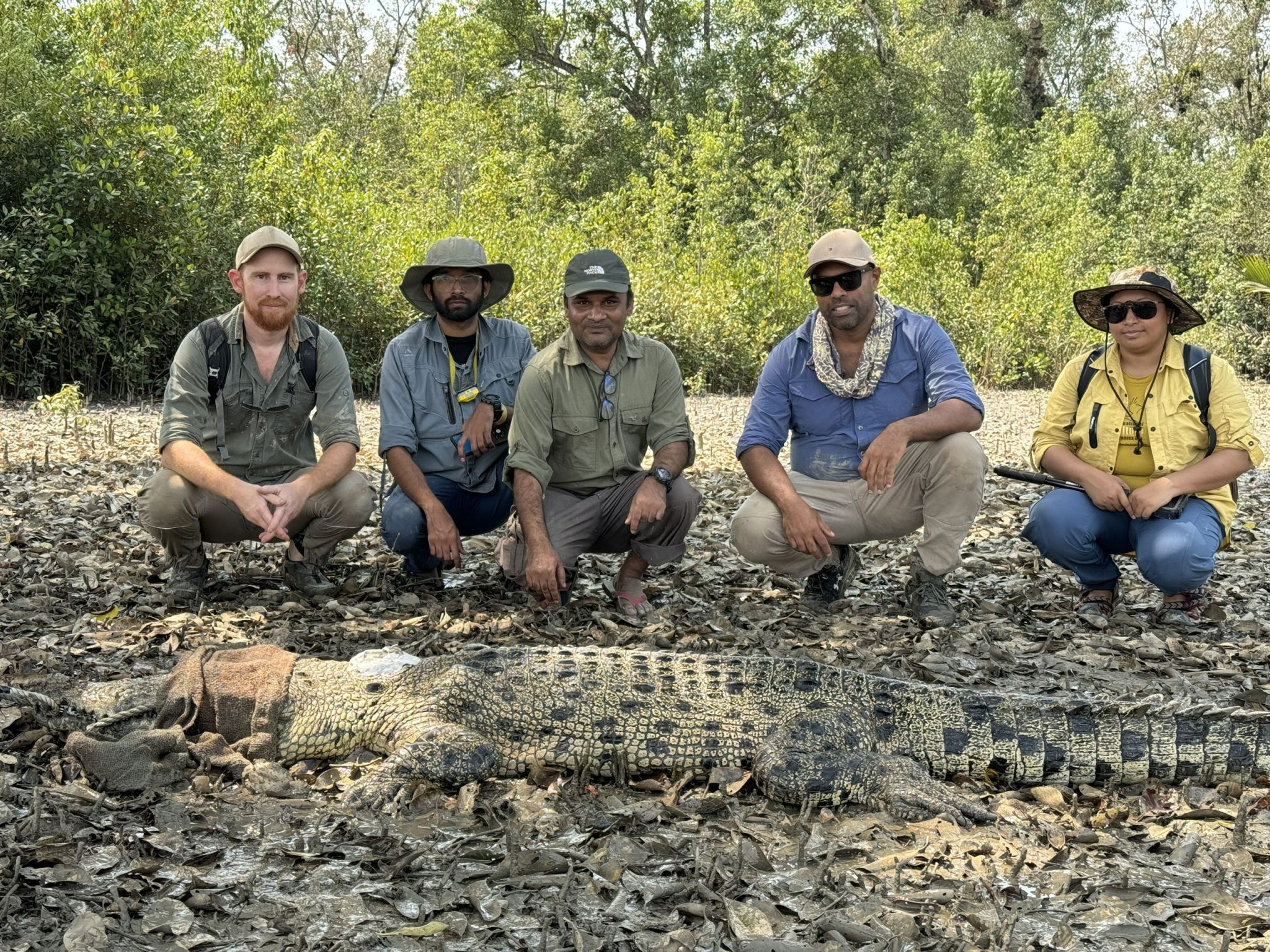
In order to evaluate the real survival ability and spatial ecological behavior of artificially bred individuals in the wild, the research team implanted high-precision satellite positioning transmitters and underwater acoustic tracking tags into these artificially bred crocodiles that have undergone rigorous wild training, and carried out all-weather dynamic monitoring of them over several seasons. The researchers originally set up two most likely hypotheses: either these crocodiles will try to migrate long distances upstream in the direction of the breeding base based on their early captivity memories, or they will over-disperse in the new water system and cause the monitoring signal to be completely lost.
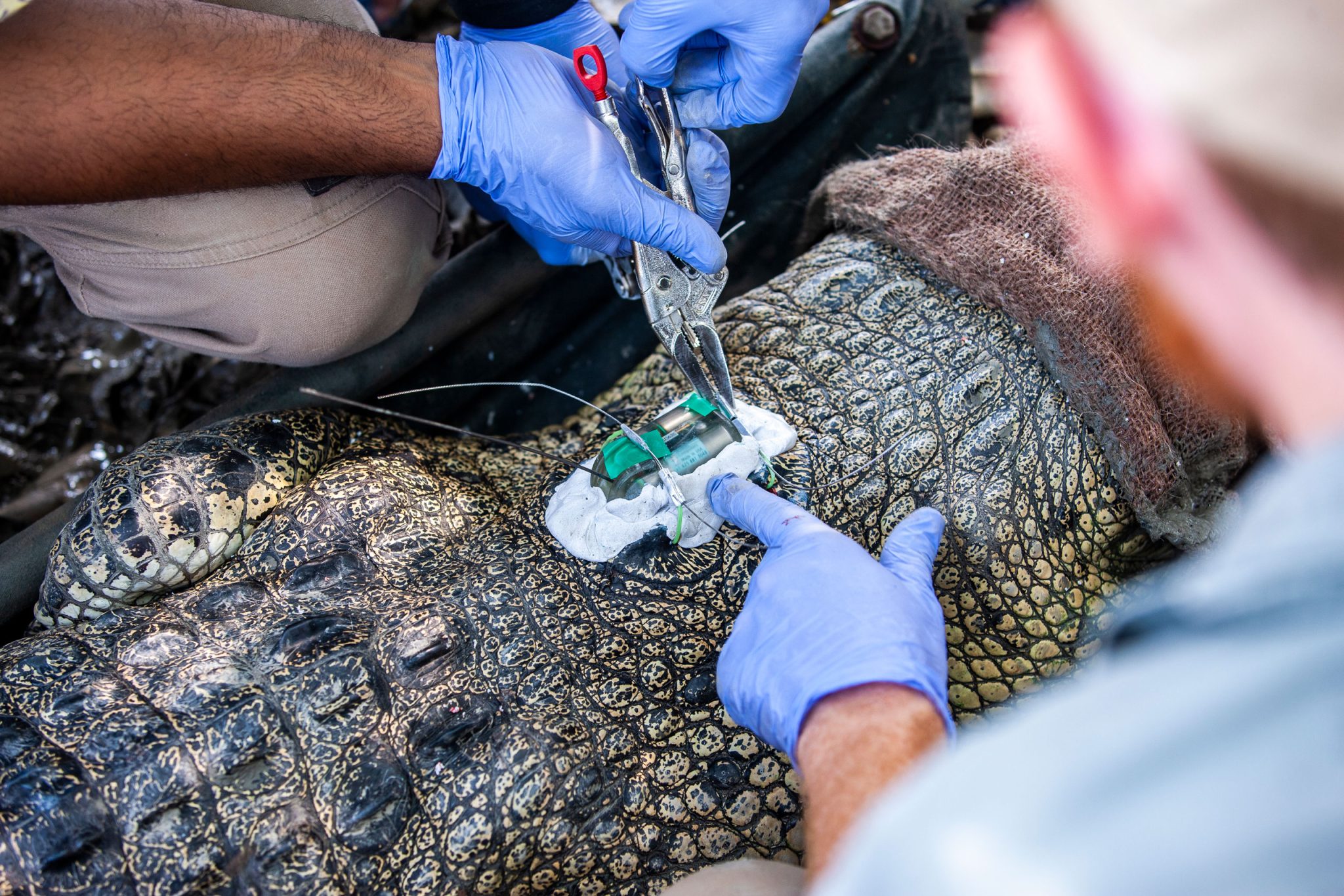
However, the high-precision trajectory data continuously returned by satellites has completely overturned the aforementioned assumptions. Monitoring results showed that the released crocodiles not only figured out the distribution of deep pools, shoals and sunbathing sandbanks in the waters in a very short period of time, but also showed amazing "habitat loyalty" (Site Fidelity). The vast majority of individuals only conducted a limited-radius exploratory cruise in the first few days, and then completely settled in suitable habitats covering dozens of square kilometers in the released waters. Not only have they mastered the hunting skills of ambush native fish, amphibians and small mammals in the wild, they have also naturally formed an orderly social territorial hierarchy with other individuals in the same area, and have not shown any signs of abnormal movement in attempting to run away for long distances or stubbornly returning home.
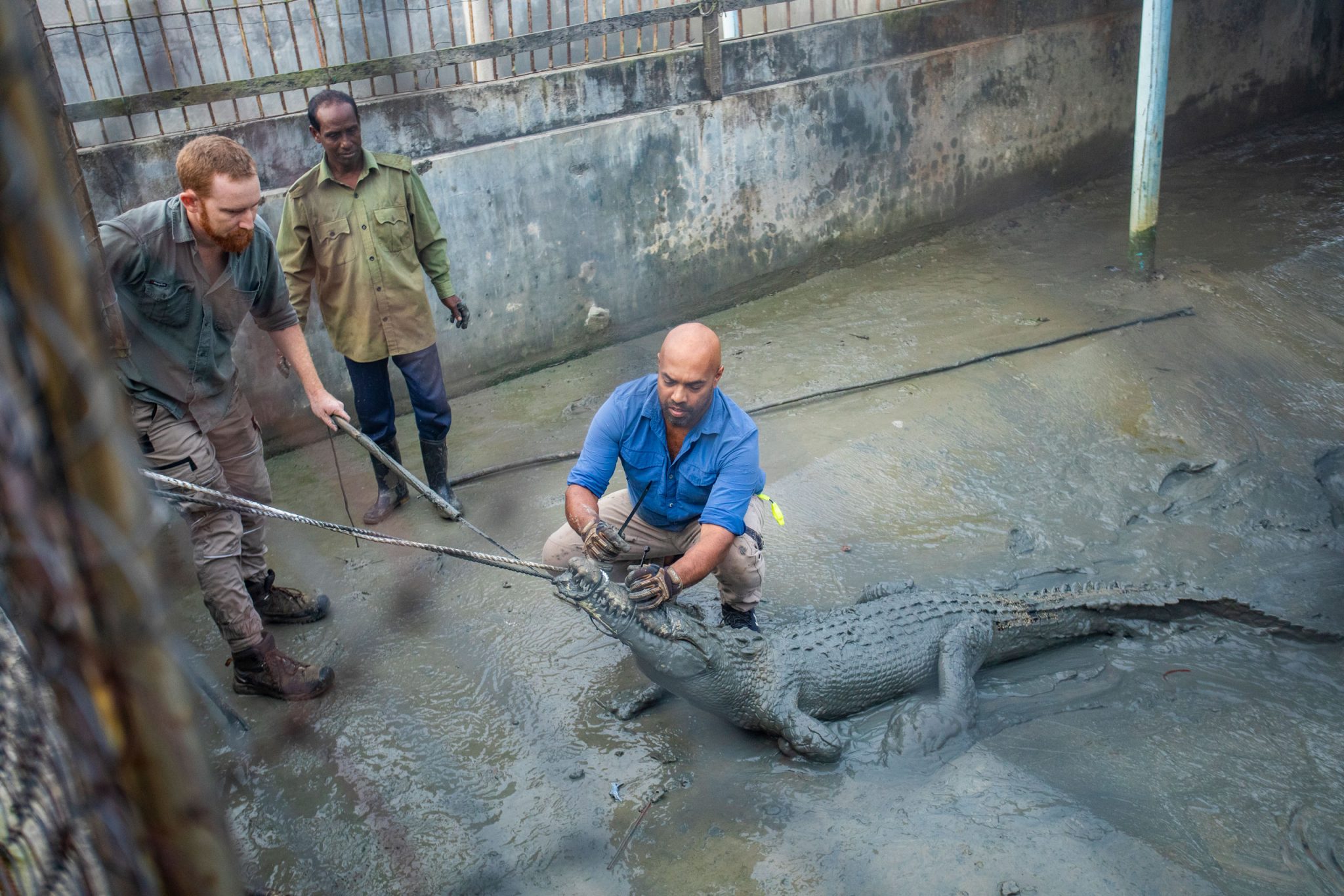
Experts in behavioral ecology analyzed that this unexpected discovery revealed the complex neural mechanism of the crocodile's "homing instinct": individuals growing up in captivity did not establish a solidified geomagnetic spatial imprint in a specific large-scale natural water system during the critical period of growth. This allowed them to have far higher "spatial plasticity" and settlement acceptance when they faced a new suitable native habitat as adults than adult individuals in the wild. As long as the released waters have sufficient water depth, abundant prey reserves, and a nesting and sunbathing environment free from human interference, captive-bred crocodiles can quickly anchor their new environment as their permanent and permanent territory. This research result not only effectively dispels the previous doubts in the wildlife conservation community about the easy loss of captive crocodiles in the wild, but also provides a solid and powerful empirical scientific basis for the reintroduction plan, habitat restoration and downgrading of endangered species of other threatened crocodile species around the world.
Comments