
Abstract:
The city of Dallas, Texas, is installing artificial intelligence cameras on garbage collection vehicles to take photos of homes along the route and assign them a so-called "blight score" based on potential city code violations identified by the system. The project sparked a backlash from local residents over privacy, miscarriage of justice and unfair fines.
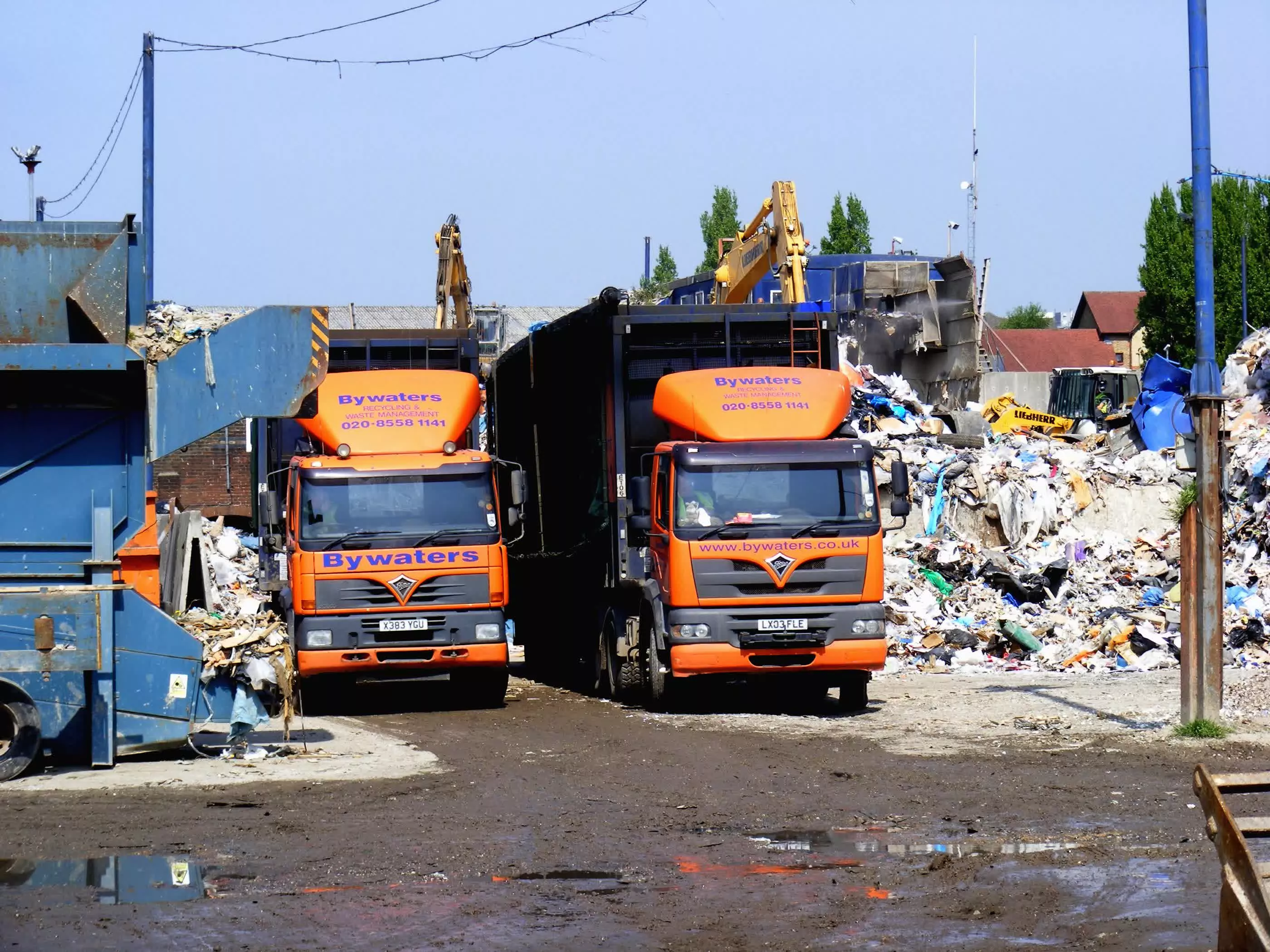
City records obtained by NBC 5 in Dallas show that the city of Dallas began testing artificial intelligence cameras on bulky garbage collection trucks in April this year, and gradually expanded their use during the summer.
The cameras have identified one or more possible violations at at least 21,000 properties, including excessive lawn heights, litter, debris, overgrown weeds and structural problems.
The system will then give the property a score based on the degree of violation, ranging from 1 to 4, with 1 representing the least serious problem and 4 representing the most serious problem. Some homeowners received “good faith reminder notices” from the city’s code enforcement department after their properties appeared on the list. Homeowners may face fines if issues are not addressed.
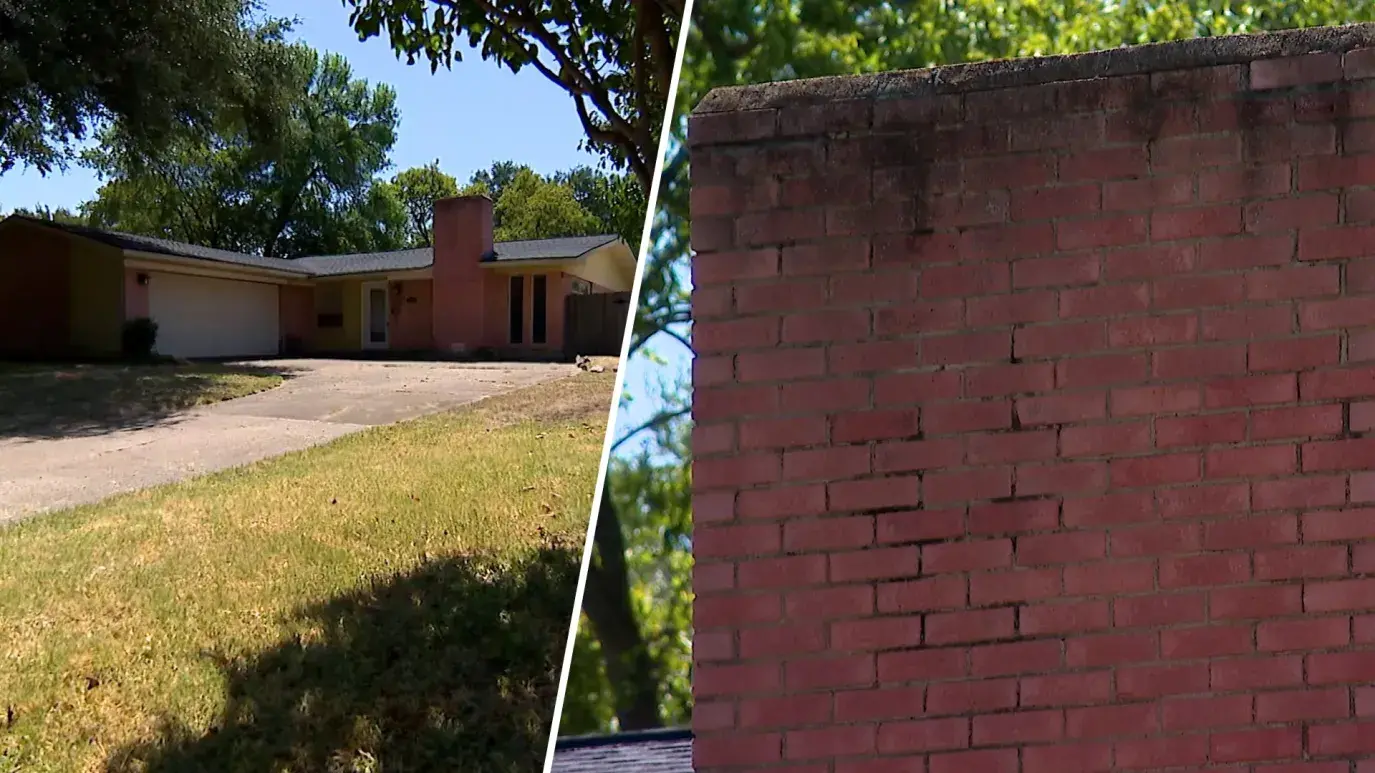
A homeowner's home was flagged by a camera and rated a 2 for a chimney paint problem. He believed that this rating was too serious and even said that even a rating of 1 seemed a bit excessive.
Many other local residents are also unhappy with the camera system. The most obvious concern is that cameras are taking photos of homes without the owner's consent; residents are also questioning who sets the criteria for when a home is deemed "blighted" or "dirty."
The system consists of a total of 100 cameras, installed in pairs on 50 vehicles used to collect brush, large objects and other bulky waste, one on each side of the vehicle. The camera resolution is 1920×1080, equipped with a fixed-focus lens, and does not have optical zoom or digital zoom functions.
The City of Dallas said the cameras operate at street level and cannot see above the top of the fence. The city anticipates that garbage trucks will be able to conduct visual scans of the city of Dallas approximately every 30 days.
City Detect, the company that operates the cameras, said it has no authority to determine how the city of Dallas uses the data collected for law enforcement. CEO Gavin Baum-Blake said the system will blur faces and license plates.
City Detect will configure the artificial intelligence system according to the requirements set forth by the City of Dallas. The city government said the training samples for the relevant models cover different seasons, architectural styles, neighborhoods, lighting conditions, weather conditions and geographical areas, with the aim of reducing inconsistencies in detection results and potential bias.
Relevant images and other data are stored on cloud servers located in the United States and are maintained by City Detect during the contract period.
Artificial intelligence systems may make errors, or even "hallucinate" identify problems that do not exist, which is also a point of concern for the outside world. A similar incident occurred last year when a 16-year-old high school student was surrounded by police and handcuffed after an artificial intelligence camera system mistook a bag of Doritos he was carrying for a gun.
The biggest concern surrounding the Dallas garbage truck camera project is that it could burden residents who are already facing financial hardship, especially in economically disadvantaged areas, with more fines. The city government of Dallas stated that it has issued 1,800 goodwill reminder notices so far, and the future goal is to issue approximately 5,200 notices per year.
However, for local residents, the camera project may not last long. Dallas City Council member Chad West has proposed a budget amendment to stop funding the three-year, $2.5 million camera contract.
West said he agreed to hold off on a request to cut funding for the camera program after the city manager agreed to hold a hearing on the issue in December. He believes the cameras do have some uses, such as spotting illegal dumping sites, but the city still needs to further investigate the impact of the project on households and who exactly has access to the images.
Comments