
Abstract:
The 1845 Arctic expedition led by British explorer John Franklin became one of the most famous mysteries in the history of navigation due to the disappearance of all members of the expedition. Recently, researchers have confirmed the identities of four expedition crew members by comparing skeletal remains with the DNA of their descendants, one of whom has been controversial for more than a century. The discovery brings the total number of DNA-confirmed Franklin Expedition crew members to six and adds new details about the expedition's final stages.
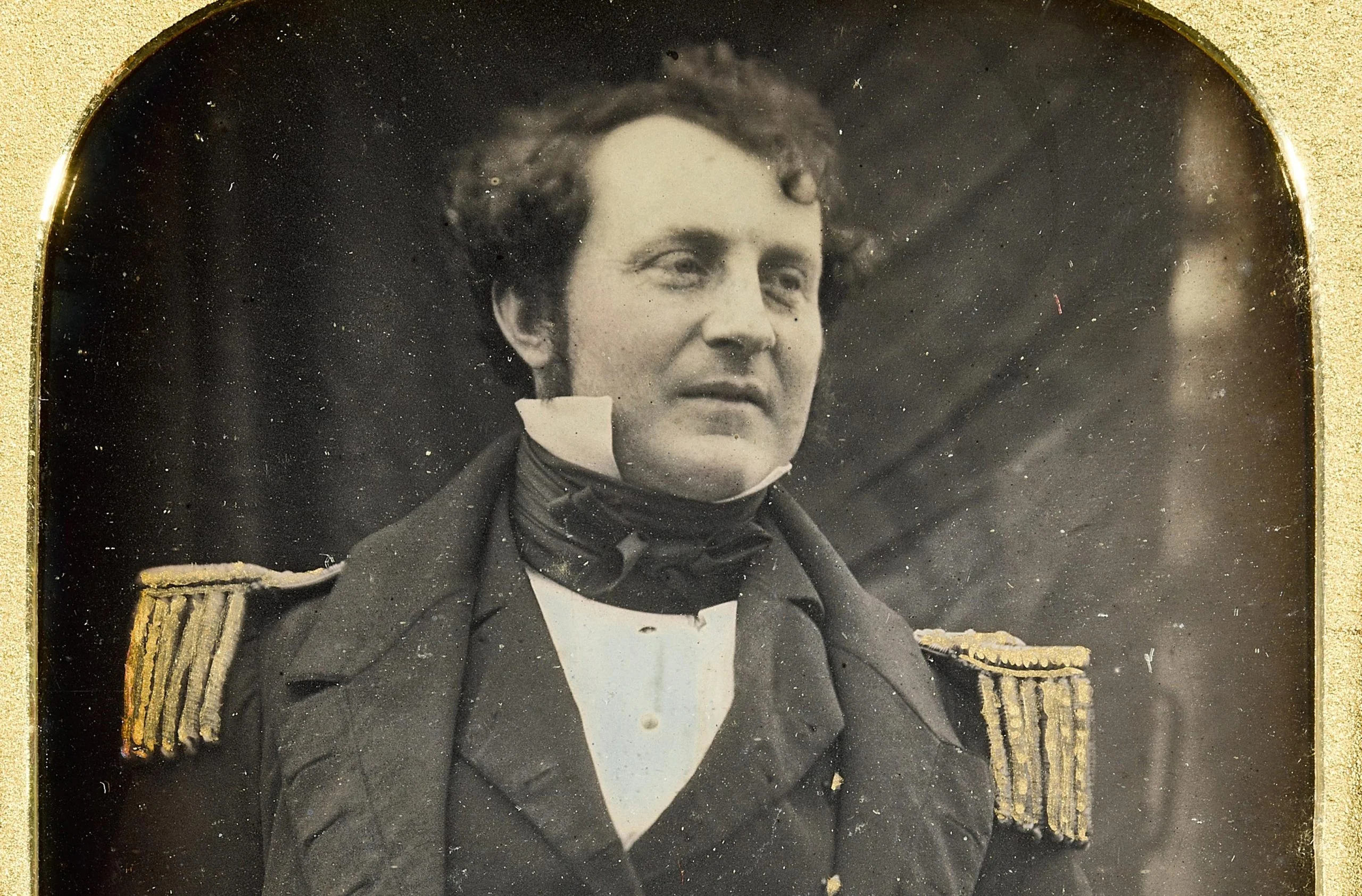
The goal of Franklin's expedition was to find the Northwest Passage connecting the Atlantic and Pacific Oceans. In 1845, Franklin set out with two warships, the "Erebus" and the "Terror", and were subsequently trapped by ice in the Arctic waters. In April 1848, after the ship was trapped for nearly two years, the 105 surviving crew members decided to evacuate on foot along the west coast of King William Island, Nunavut, dragging the ship and supplies forward. However, none of these people survived. Since the mid-19th century, researchers have been discovering remains related to the expedition on King William Island and the Adelaide Peninsula.
The research was led by anthropologists from the Faculty of Arts at the University of Waterloo in Canada. The researchers analyzed DNA from the archaeological remains and compared it with genetic information provided by living descendants of the expedition crew. The four newly confirmed people are ordinary sailor William Oren on the "Erebus", young sailor 1st class David Young, junior officer's mate John Briggins, and foremastmaster Harry Pegral on the "Terror".
Among them, the identification of Peglar is particularly interesting. In 1859, a body was found on King William Island. Peglar's personal documents were left next to the body. However, the clothes on the deceased did not match his military rank, so his identity has long been controversial. Researchers have now finally confirmed through DNA comparison that the remains are those of Pegral himself.
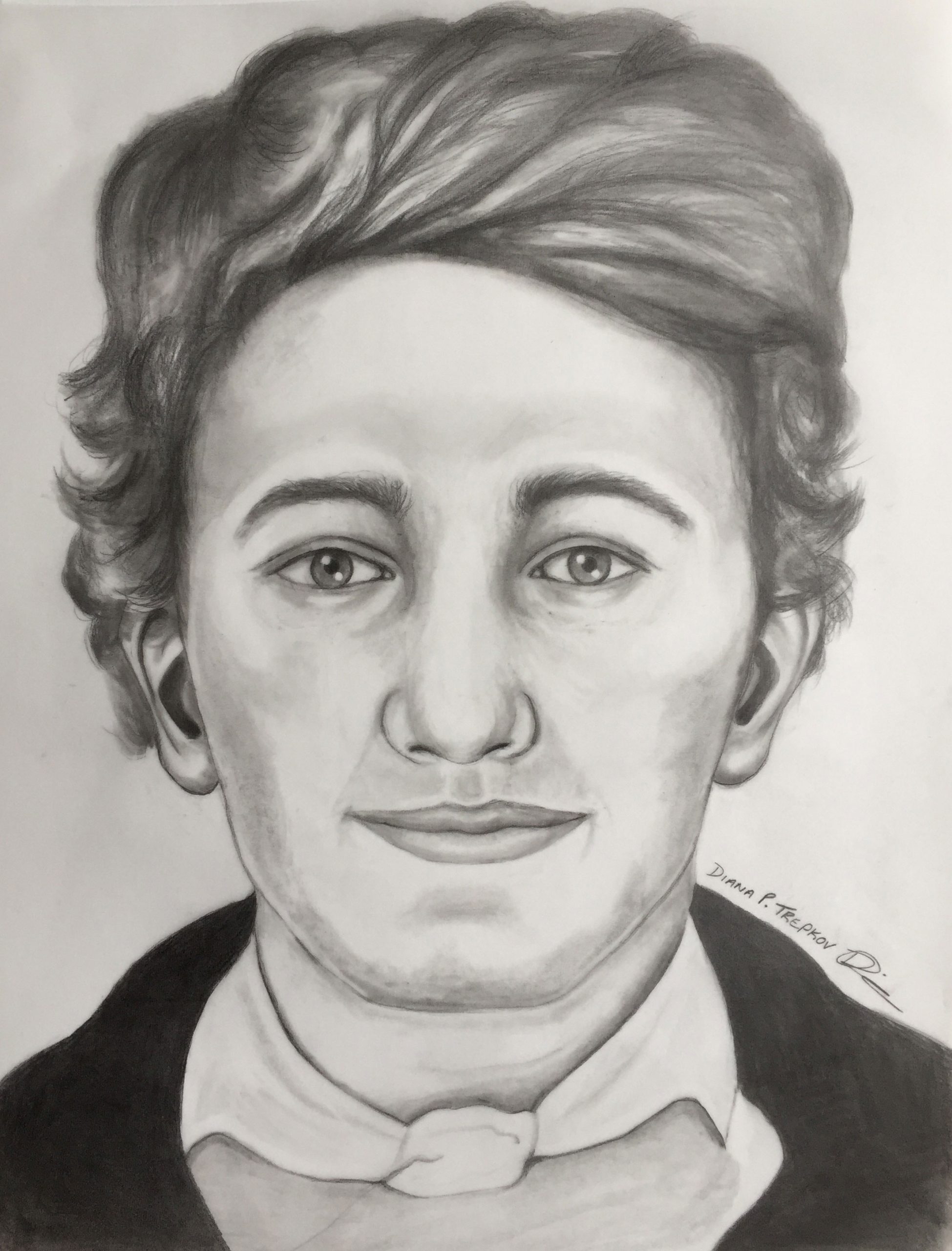
The document found next to Pegral's body is known as the "Pegral Papers" and is one of the very few written materials related to Franklin's expedition that has been discovered. These include his sailor's certificate, poetry, and some writings that appear to record his experiences on the expedition. Robert Parker, a professor of anthropology at the University of Waterloo, said being able to identify the crew member is significant because the documents are almost the only written information left by the expedition.
The researchers also pointed out that the other three newly confirmed crew members were all from the "Erebus" and all died in Erebus Bay. Pegral is currently the only member of the crew of the Terror that has been clearly identified through DNA analysis. His body was found about 130 kilometers away from Erebus Bay. The identification of three members of the Erebus crew also adds to the evidence that they all survived the first three years of the expedition and eventually became part of a group that attempted to escape the Arctic on foot.
This research builds on the team’s previous findings. In 2021, researchers identified Erebus marine engineer John Gregory through the DNA of a descendant. In 2024, another DNA comparison confirmed the identity of Erebus captain James Fitzjames. Fitzjames' remains showed evidence of cannibalism, but the newly identified remains of the four crew members showed no similar signs.
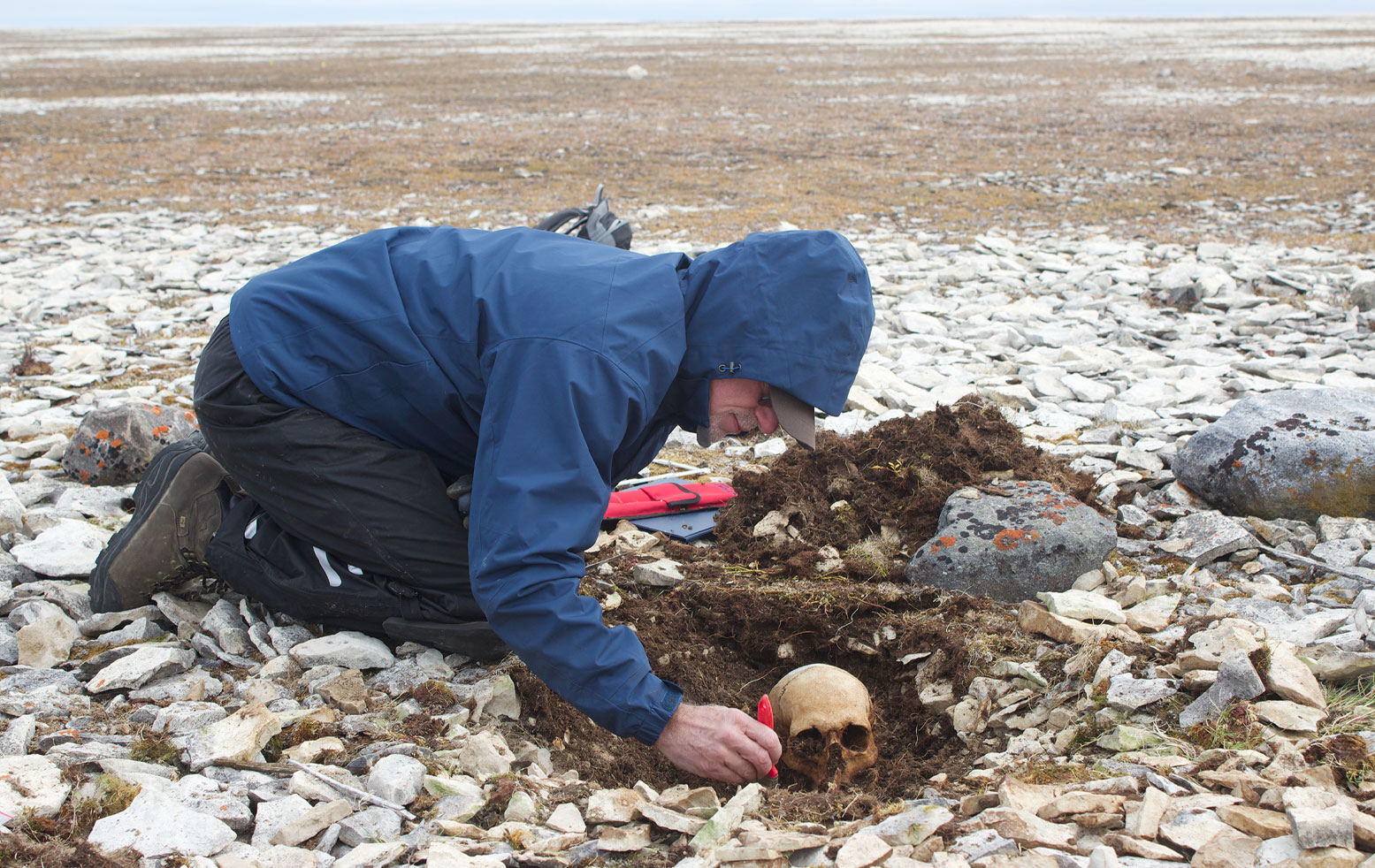
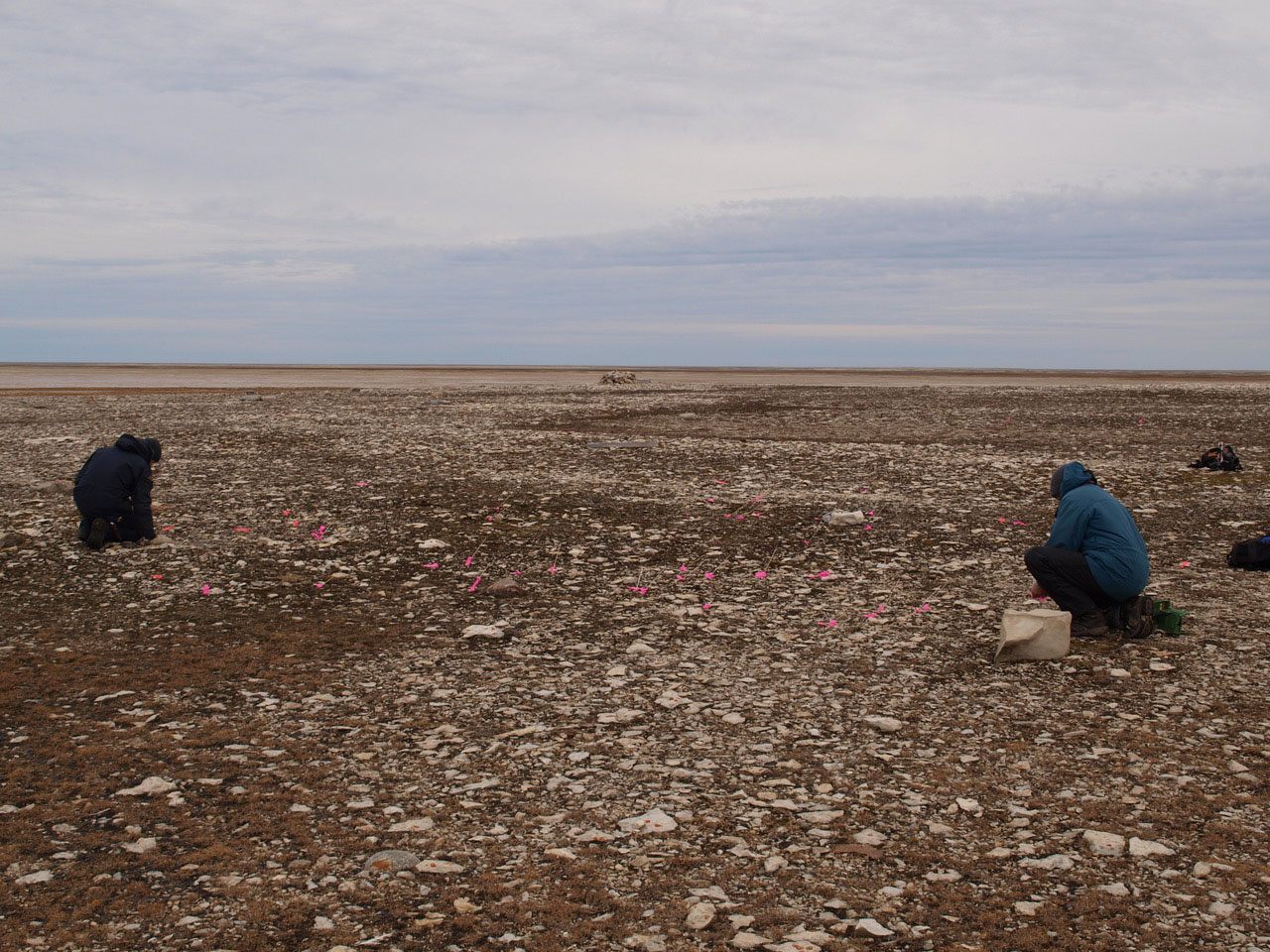
Researchers said that these identifications not only provide new evidence for historical research, but also allow descendants of the expedition crew to understand the general circumstances and locations of their relatives' deaths, as well as the identities of the crew members who may have perished with them. The research team also discovered that BBC news reporter Richie Preston was a descendant of John Briggins. Preston said he was surprised when he was first contacted by researchers and asked if he would provide a DNA sample. He once participated in a BBC genealogy program to help people trace their family history. Now he is very excited to find out that his family is also related to this famous history of exploration.
To confirm the identities of the four crew members, Lakehead University researcher Stephen Frapieterio extracted DNA from archaeological samples and compared it with the mitochondrial DNA and Y-chromosome DNA of descendants. All four comparisons showed a genetic distance of zero, which means there is a common ancestor between the remains and descendants, providing a strong basis for identification.
Researchers point out that descendant DNA is crucial to confirming the identity of the remains. Eligible descendants will need to demonstrate through genealogical records that they have a continuous, uninterrupted maternal or paternal lineage to the expedition crew. The research team is still encouraging other descendants of the Franklin Expedition crew to contact them, hoping to confirm the identities of other victims through more DNA samples.
The research results were published in the journals "Archaeological Science: Reports" and "Polar Records". Researchers say that as more remains are discovered and more descendants participate in DNA comparisons, more details about the more than a century-long historical mystery of Franklin's expedition may be revealed.
Comments