
Abstract:
A group of endangered giant sea turtles are showing surprising signs of survival off the coast of Ecuador. Researchers found that Eastern Pacific leatherback turtles set record numbers of nests on many beaches in Ecuador during the 2025-2026 breeding season. The phenomenon, occurring more than a thousand miles from their traditional nesting grounds in Mexico and Costa Rica, represents a potential turnaround for a critically endangered population that has declined by more than 90 percent.
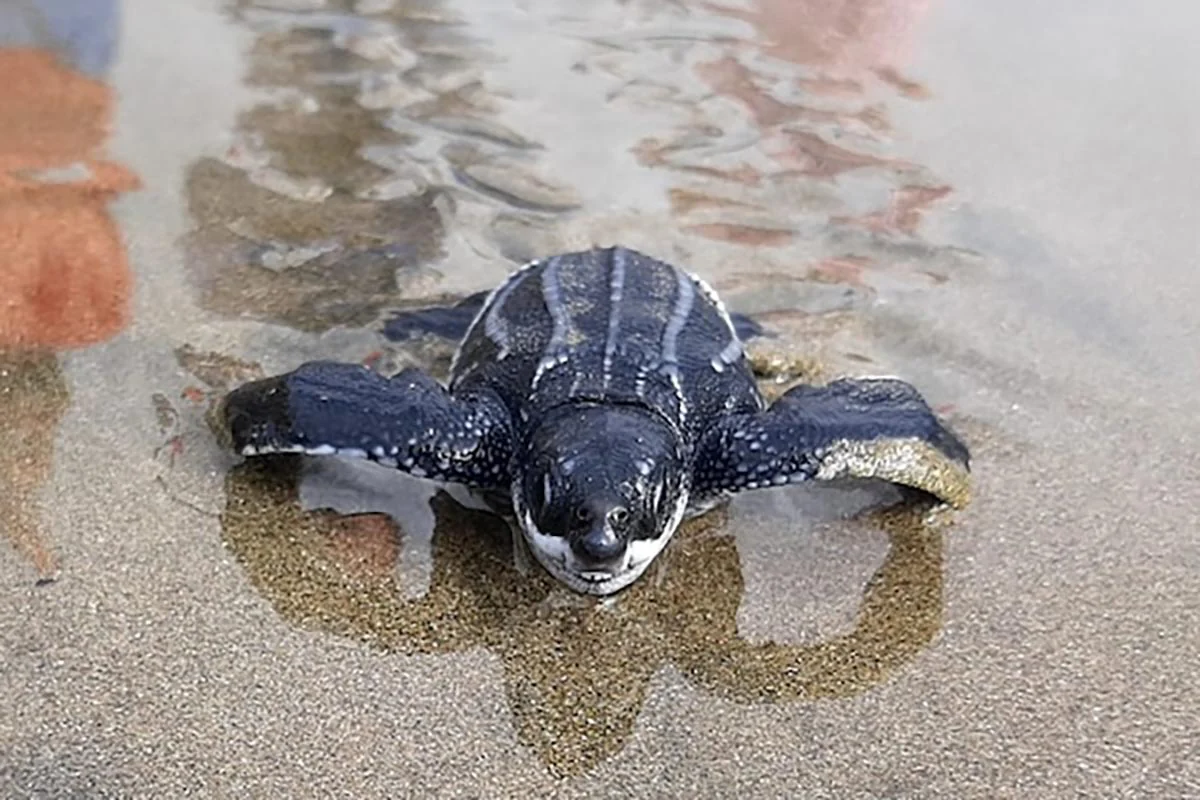
In January 2026, a female leatherback turtle named "Bella" by researchers came ashore on Crucita Beach in Ecuador. She was supposed to be looking for a beach to lay her eggs, but became disoriented by the interference of a nearby streetlight, crawled over a rock jetty, and ended up on the sidewalk by mistake. Bella then returned to the sea, but two nights later, she landed on a quieter stretch of beach again and successfully buried 47 eggs in the sand. A few weeks later, 44 hatchlings emerged from their shells and crawled toward the sea.
Bella's persistence is not an isolated incident. The research team recorded a significant increase in leatherback turtle nesting activity off the coast of Ecuador and suggested this may be related to changes in ocean temperatures. The study notes that leatherback turtle activity and nesting increased over the past decade when cooler La Niña conditions emerged in the southeastern tropical Pacific. Although the research cannot yet prove that warming waters are directly driving sea turtle migrations, the link suggests that female leatherback turtles may be adjusting their breeding sites to adapt to changing ocean conditions.
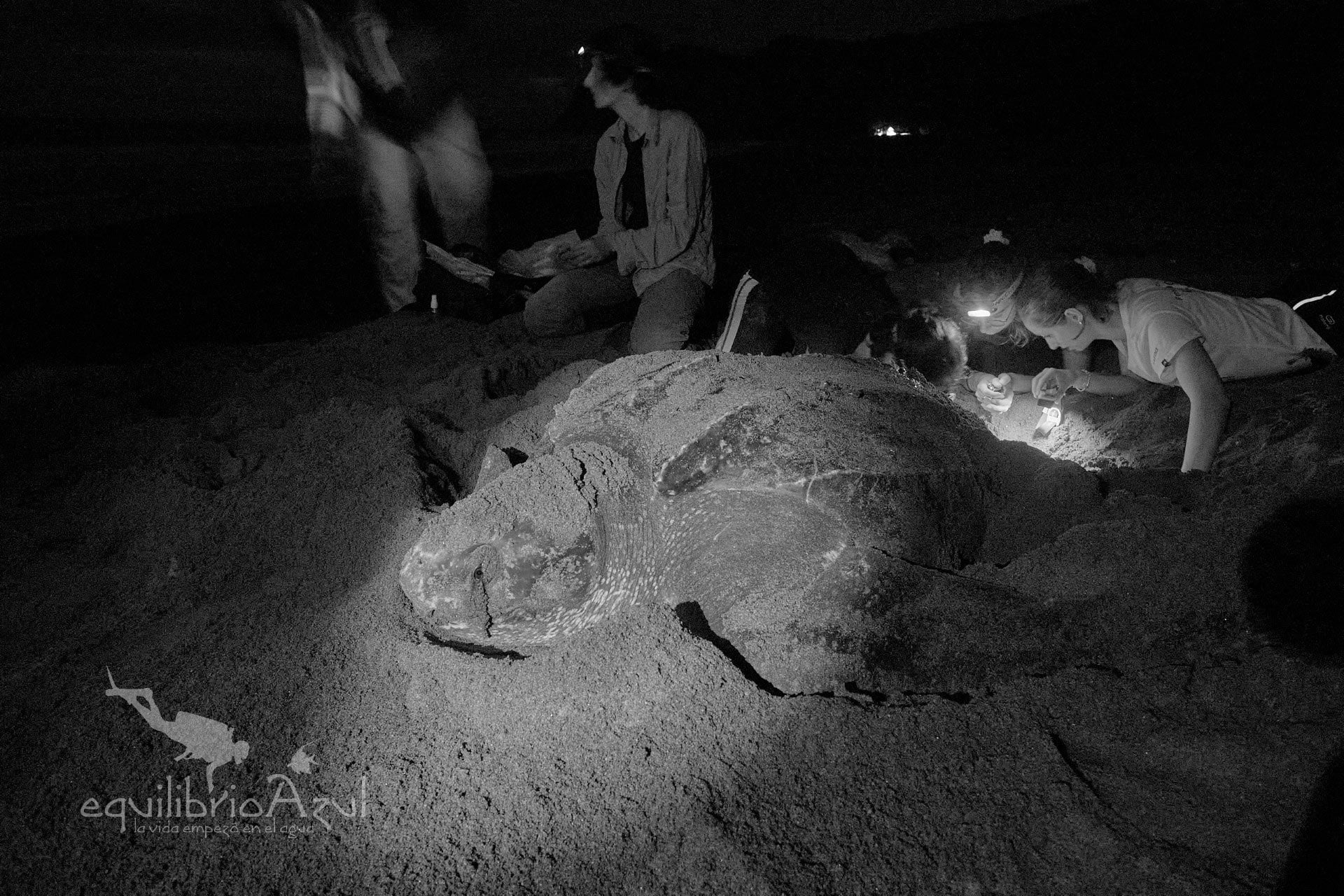
The study, published in Turtle Conservation and Biology, analyzed more than 45 years of observational records off the coast of Ecuador, covering female turtles of breeding age, nesting attempts, number of nests, hatching success rates and stranded individuals. The results showed that the number of eggs per clutch and hatching rates in Ecuadorian nests were comparable to traditional nesting sites further north; in some cases, Ecuadorian nests even produced more hatchlings.
The leatherback turtle is the largest sea turtle in the world and the only one that can survive in both warm and cold oceans. They migrate long distances between tropical nesting beaches and subarctic Pacific feeding grounds, feeding on jellyfish in the summer. Their migration range is so wide that they have even appeared on the west coast of Canada; between 1931 and 2024, there have been more than 150 records of leatherback turtles in British Columbia waters.
However, this strong adaptability has not saved the Eastern Pacific leatherback turtle from crisis. The population has declined by more than 90% since the 1980s. Unusually warm El Niño events, which are becoming more frequent under the influence of man-made climate change, coupled with fishery bycatch, plastic pollution, ship strikes, egg harvesting and loss of nesting habitat, continue to threaten their survival.
Sightings of female Eastern Pacific leatherback turtles on Ecuadorian beaches have been rare and even abnormal events in the past, but new findings suggest they may be adjusting their reproductive cycles to survive and thrive along the Ecuadorian coast, said study lead author Juan Jose Alava, an adjunct professor in the School of Resources and Environmental Management and a marine ecotoxicologist.
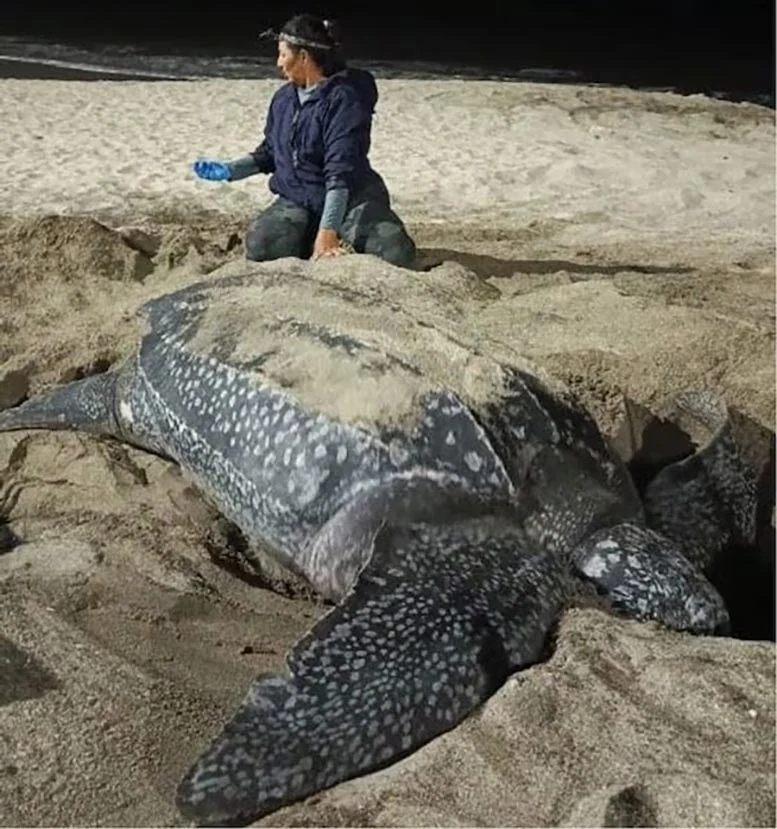
Bela's experience also highlights the potential threat of coastal development to turtle breeding. Researchers installed a tracking device after she failed to build her first nest, and later discovered that she nested four to five times in 2026. One of the nests was left at the original site, while the rest were moved to the San Jacinto Hatchery. During the entire breeding season, Bella laid a total of 146 eggs and hatched 134 hatchlings, with an overall success rate of 91.8%.
Finding a suitable nesting beach is only part of the challenge, though. Bella's experience with street lights and coastal barriers illustrates how even when sea turtles arrive in seemingly ideal locations, human activity can interfere with their breeding process. Álava emphasized that long-term protection of this population requires continued monitoring, reduction of fishery bycatch, and effective management of Ecuadorian nesting beaches. He also called for involving coastal communities in conservation decision-making and incorporating local and traditional ecological knowledge into community-based interventions.
Researchers believe the discovery brings new hope to a subspecies of leatherback turtle that may become extinct in the eastern Pacific within 60 years. They are walking with nature, looking for survival opportunities in many difficulties, and also provide important inspiration for the protection of leatherback turtles and other sea turtle species.
Comments