
Abstract:
The European Space Agency (ESA) announced that its "Hera" asteroid probe is successfully flying to the double asteroid system "Didymos-Dimorphos" and will arrive at the target area in the future to conduct a comprehensive investigation of mankind's first planetary defense experiment previously implemented by the National Aeronautics and Space Administration (NASA). The mission is expected to reveal in detail for the first time the long-term effects of man-made impacts on asteroids and provide key data for future defenses against potential near-Earth object threats.
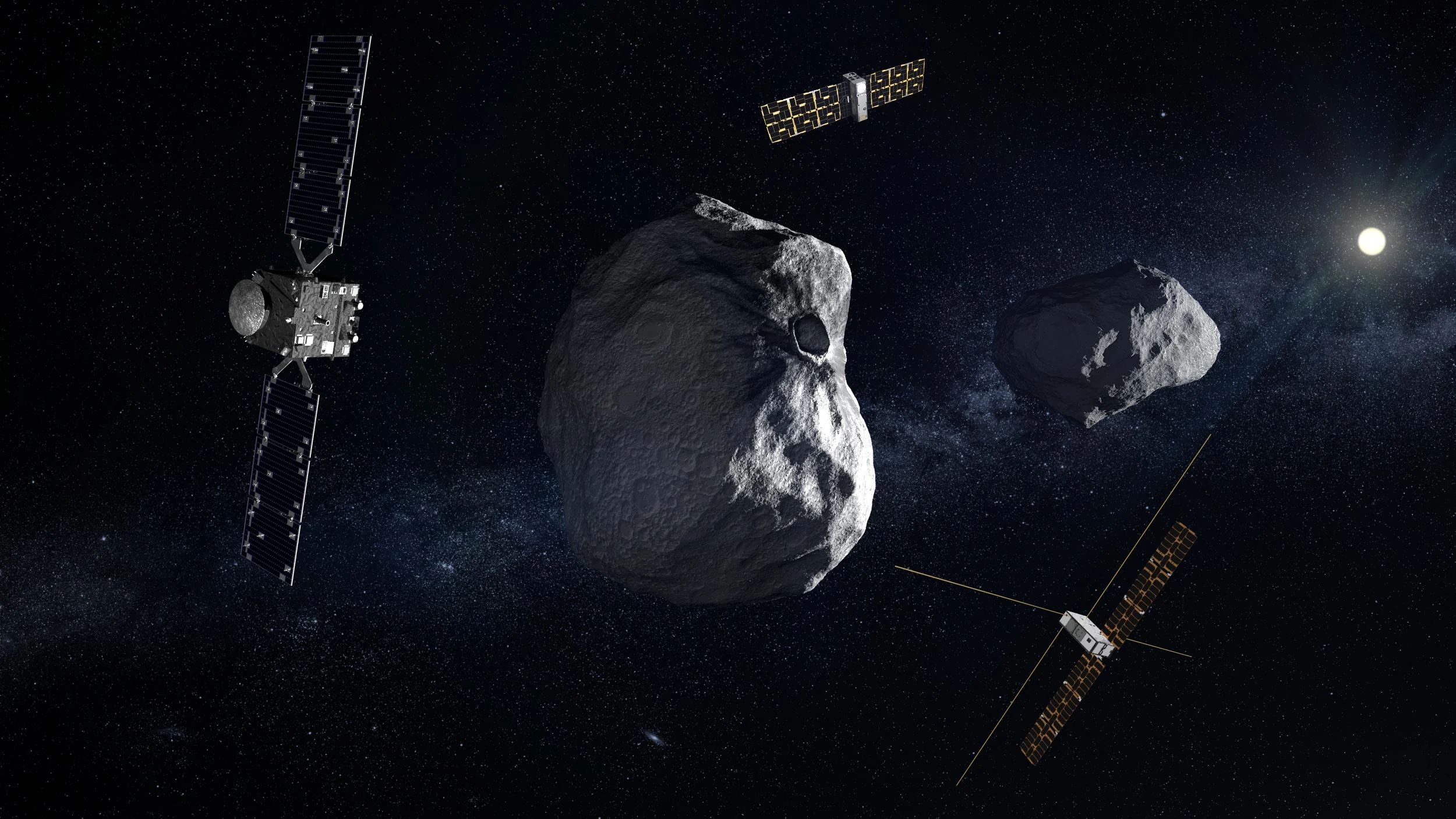
In September 2022, NASA executed the "Double Asteroid Redirect Test Mission" (DART), using a spacecraft weighing about 570 kilograms to crash into the asteroid "Demovers" at a speed of about 22,000 kilometers per hour. This small celestial body is about 160 meters in diameter and is a satellite asteroid orbiting the larger parent asteroid "Didimos".
At that time, the main goal of the DART mission was to verify whether "kinetic impact" could change the orbit of an asteroid. The result of the impact exceeded expectations. The time required for Demovos to orbit the main star was shortened by about 33 minutes, far exceeding the effect originally expected by scientists, proving that humans have the ability to change the trajectory of small celestial bodies through impacts.
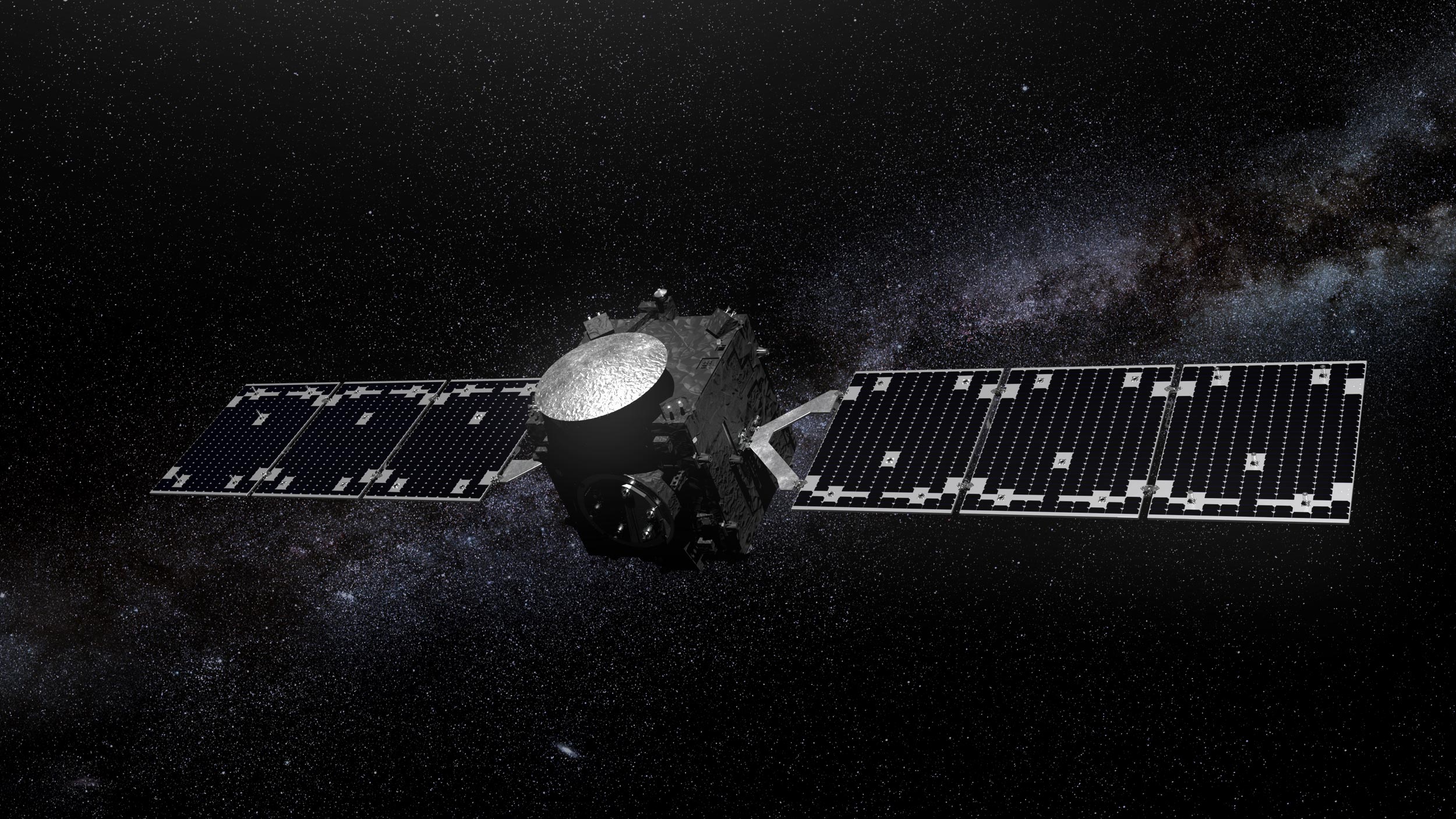
However, although ground telescopes and subsequent observations confirmed the orbital changes, the scientific community still lacks a detailed understanding of the impact site. There are still no clear answers to key questions such as how big the impact crater is, what the asteroid's internal structure looks like, how much material was ejected by the impact, and why these factors caused the orbit to change more than expected.
To this end, the European Space Agency launched the Hera probe as a follow-up investigator of the DART mission. Hera will arrive at the target system in the future and conduct close-range detection work with two CubeSats. One of the satellites will use radar to detect the internal structure of the asteroid, while the other will be responsible for up-close observations of surface topography and impact remnants.
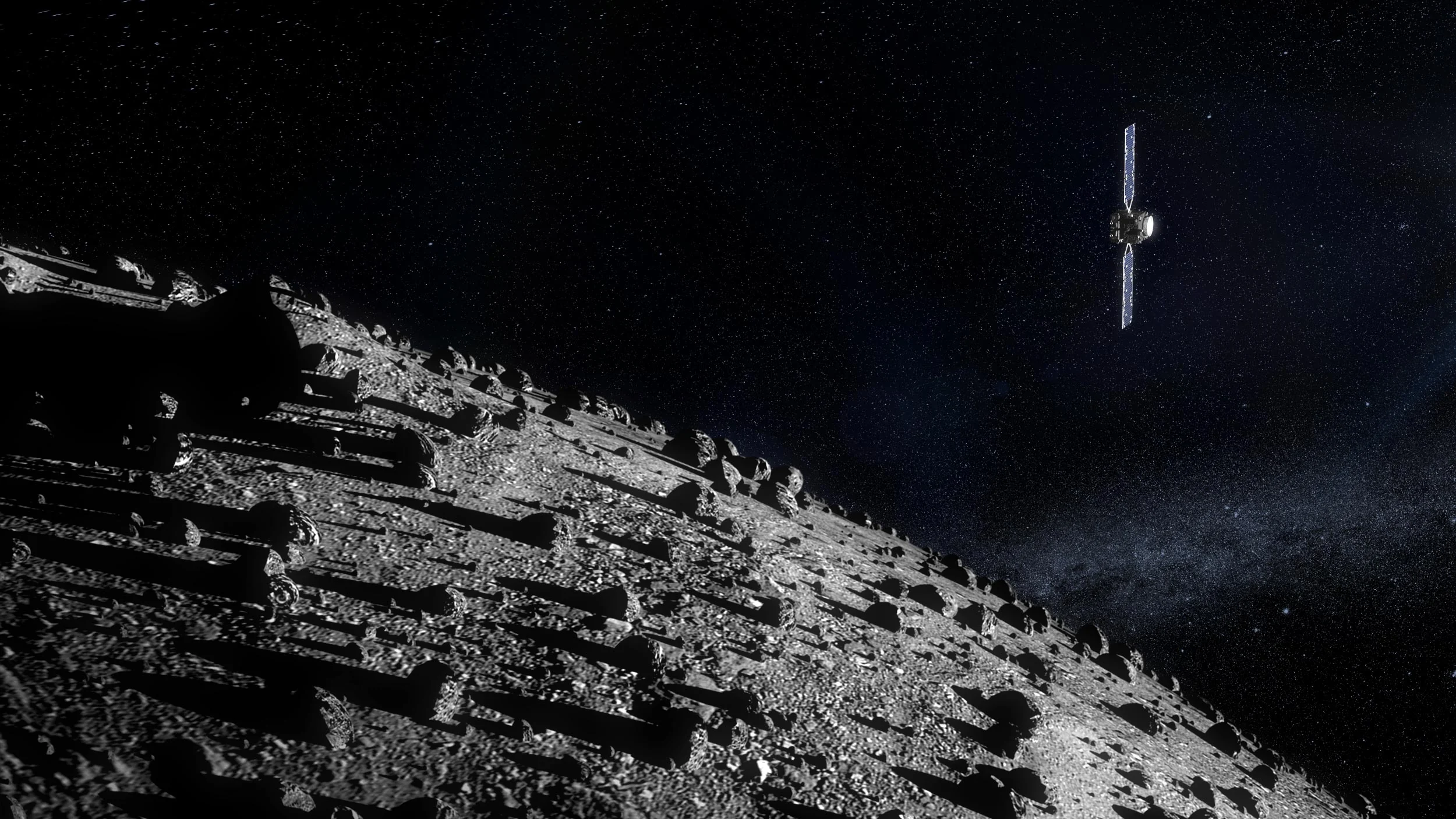
According to the mission plan, Hera will draw high-precision three-dimensional maps of the two asteroids, measure their mass, rotation state and internal composition, and conduct a detailed analysis of the craters produced by the DART impact. Scientists hope to use this to understand the efficiency of kinetic energy impact technology in actual planetary defense, as well as the real reaction mechanism of asteroids when faced with external impacts.
Researchers said that the Demovos and Didymos systems provide a natural experimental field for humans. By combining data from DART before and after the impact with information from Hera in the future, scientists will be able to build more accurate models to improve their ability to deal with potential asteroids that impact the Earth in the future.
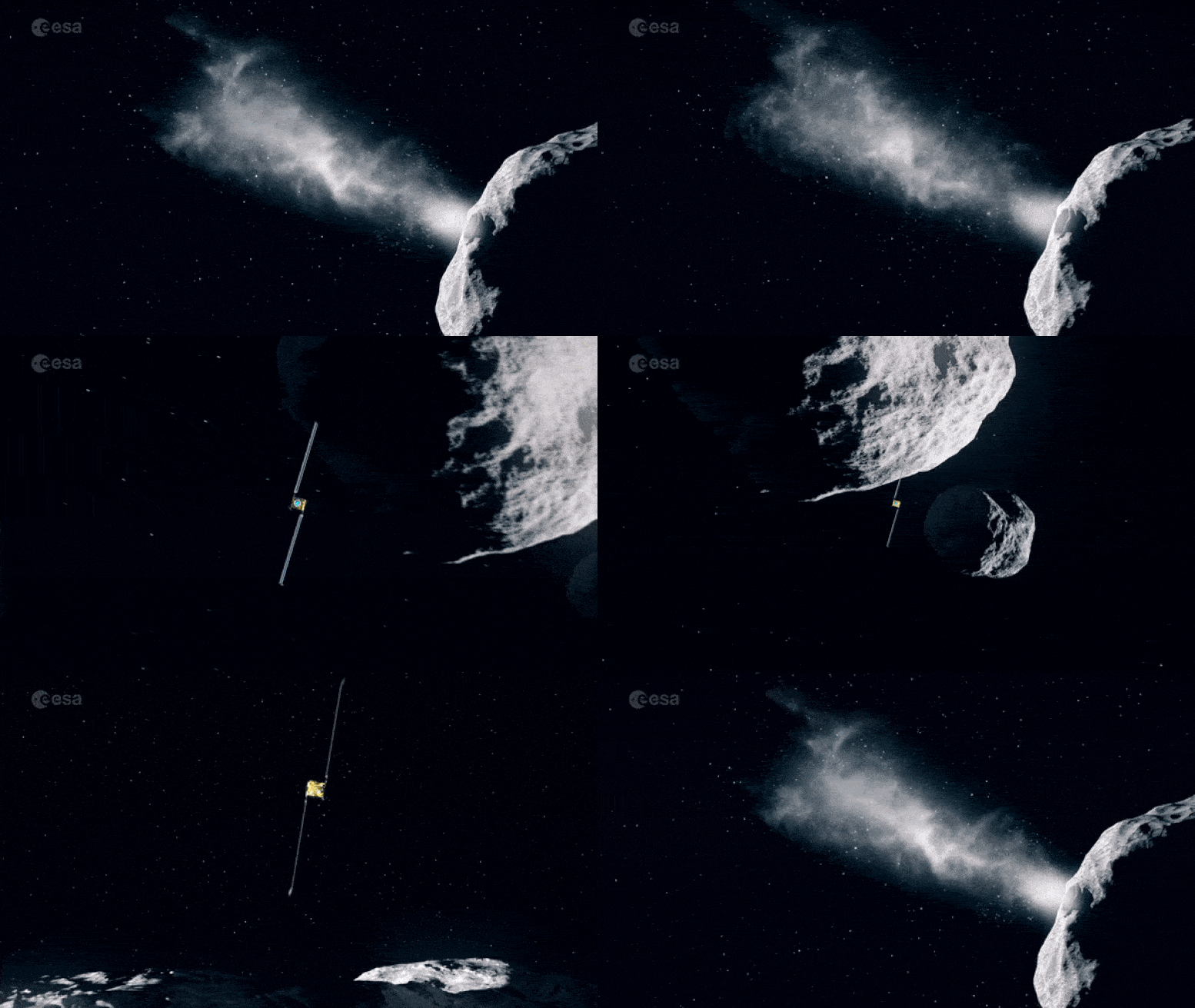
The European Space Agency pointed out that Hera is not only a scientific exploration mission, but also an important part of the global planetary defense strategy. If asteroids with actual threats are discovered in the future, these research results will help countries develop more reliable deflection plans and improve the earth's preparedness level to deal with the risk of celestial impact.
As Hera gradually approaches its target, the complete answer to mankind’s first initiative to actively change the orbit of an asteroid is about to be revealed. From the craters formed by the impact to the internal structure of the asteroid, to the physical mechanism behind the orbital deflection, this deep space experiment spanning several years will usher in the most critical verification stage in the future.
Comments