
Abstract:
The European Space Agency's (ESA) "Hera" probe recently sent back its first close-up photo after arriving at the binary asteroid system, showing for the first time a high-resolution view of the landforms on one side of the "Didymos" asteroid that had never been observed in detail before. Scientists said that the landscape presented in this area is significantly different from people's previous knowledge, making people feel as if they have discovered a whole new world.
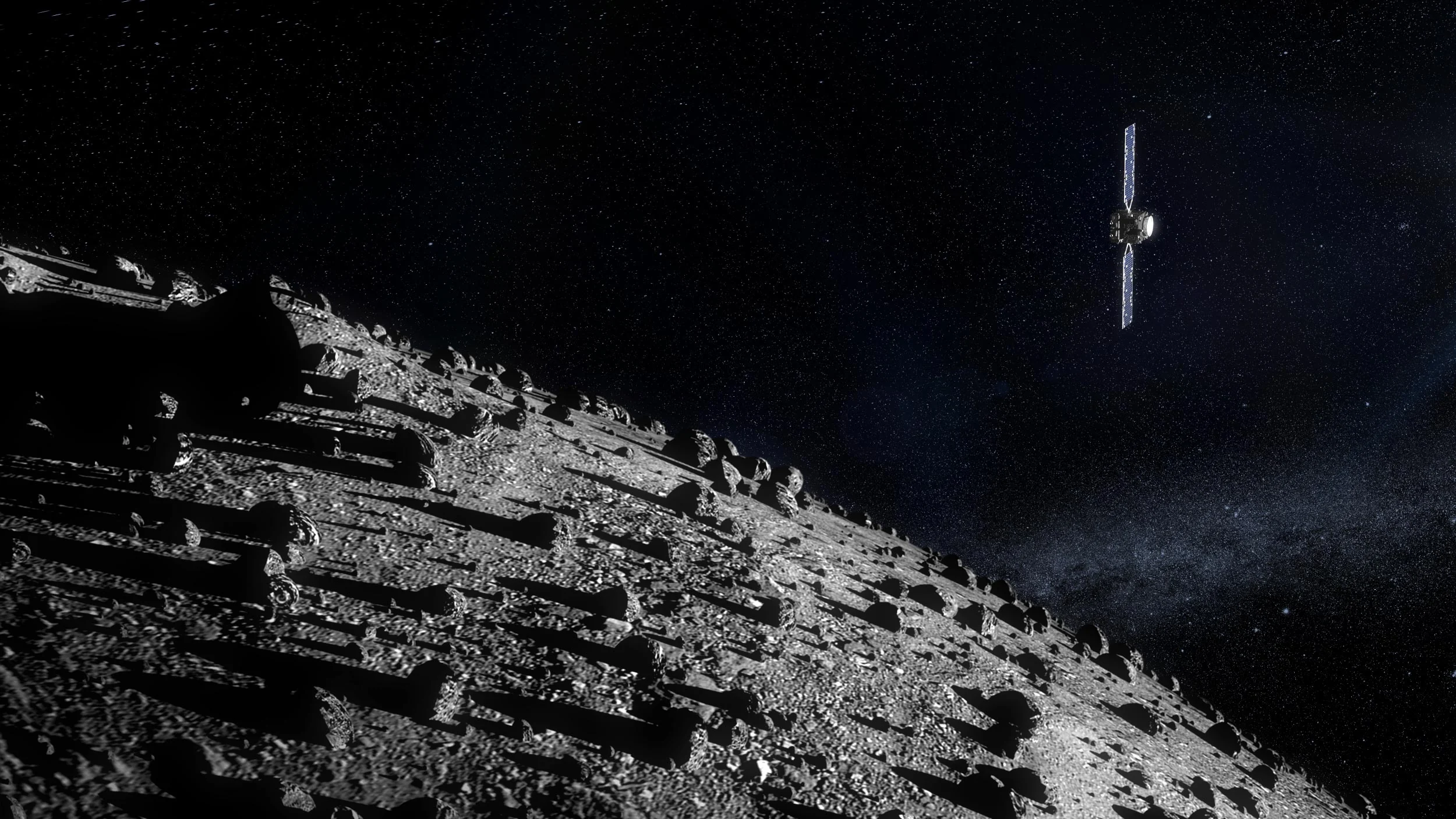
This discovery comes as the Hera mission prepares to conduct an in-depth investigation into the subsequent impact of the National Aeronautics and Space Administration (NASA) DART mission. On September 26, 2022, NASA deliberately caused the DART probe to impact "Dimorphos", the smaller member of the binary asteroid system, and successfully changed its orbit around Didymos, verifying for the first time the feasibility of humans being able to actively change the trajectory of an asteroid.
The latest image was taken by the asteroid imaging camera on board Hera at a distance of about 60 kilometers from the target. Due to the influence of light and shadow, most of Demovos, which is about 151 meters in diameter, is still hidden in shadow, while Didymos, which is about 780 meters in diameter, is clearly visible in the center of the picture. As a binary asteroid system, Demovos orbits Didymos.
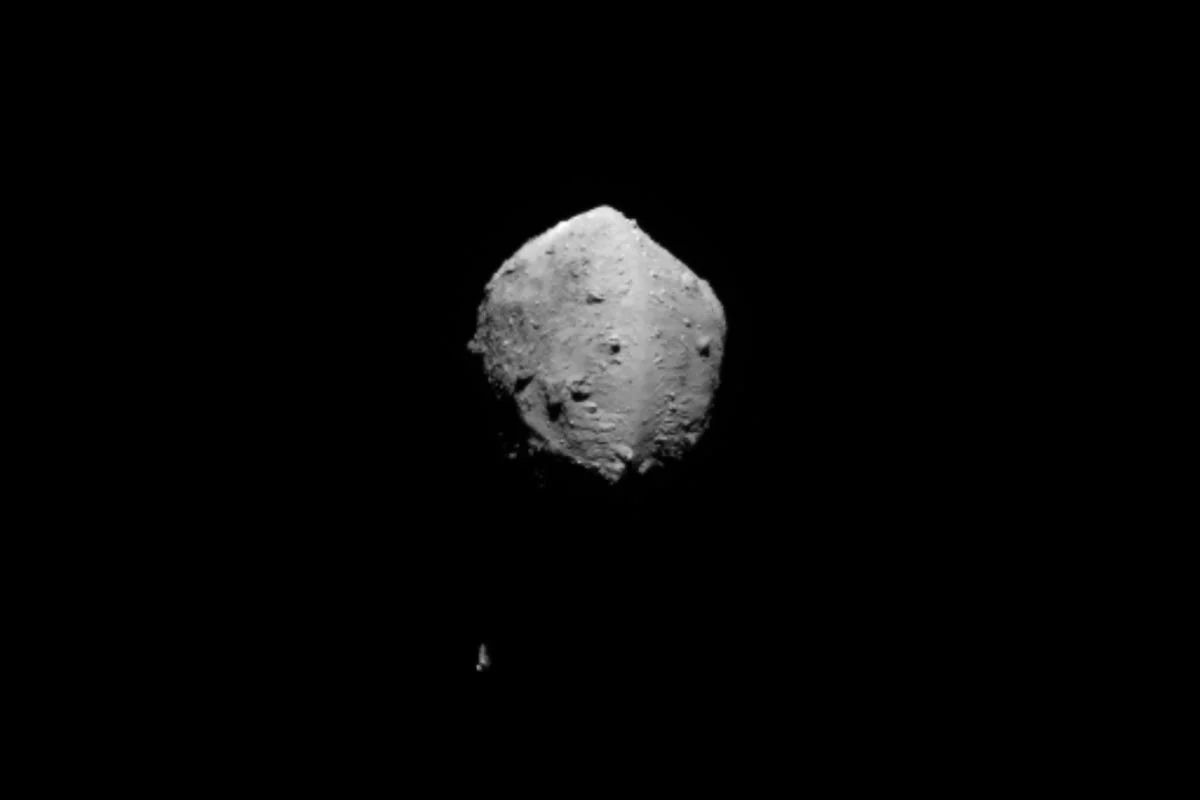
Patrick Michel, chief scientist of Hera and research director of the French Côte d'Azur Observatory, said that when the team saw the image, the first reaction was "Wow". He said that Didymos on this side is completely different from the area photographed before the DART impact. Except that the central bulge structure near the equator can still be seen, the rest of the terrain shows completely different features, including a large number of boulders, craters, and complex textures suspected of grooves or ridge structures.
This unfamiliar landscape also raises new scientific questions. Researchers are exploring whether the DART impact not only changed Demovos's orbit, but also affected the topography of Didymos' surface. Scientists speculate that a large number of projectiles produced by the impact may have spanned a distance of about 1 kilometer between the two asteroids and were eventually deposited on the surface of Didymos, thereby forming or changing some of the currently observed landform features.
Michael Kuppers, the European Space Agency's Hera project scientist, said that the research team originally expected that a large amount of impact ejecta would fly from Demovos to Didymos, so some of the new features currently observed may be the result of the migration of these materials. In the future, scientists will conduct systematic mapping and analysis of the entire system to clarify the formation mechanisms of various landforms and confirm the specific impacts of the impact.
Although the details of Demovers are difficult to see in the new photos, the small object holds special significance in the history of spaceflight. It became the first celestial body in the solar system whose orbit was explicitly changed by humans.
In 2022, NASA used the DART detector weighing about 580 kilograms to crash into Demovers at a speed of about 6.1 kilometers per second. After the impact, the asteroid's orbital period around Didymos was shortened by about 33 minutes, with an error of only about 1 minute. This change was far greater than the scientific community expected before the mission began.
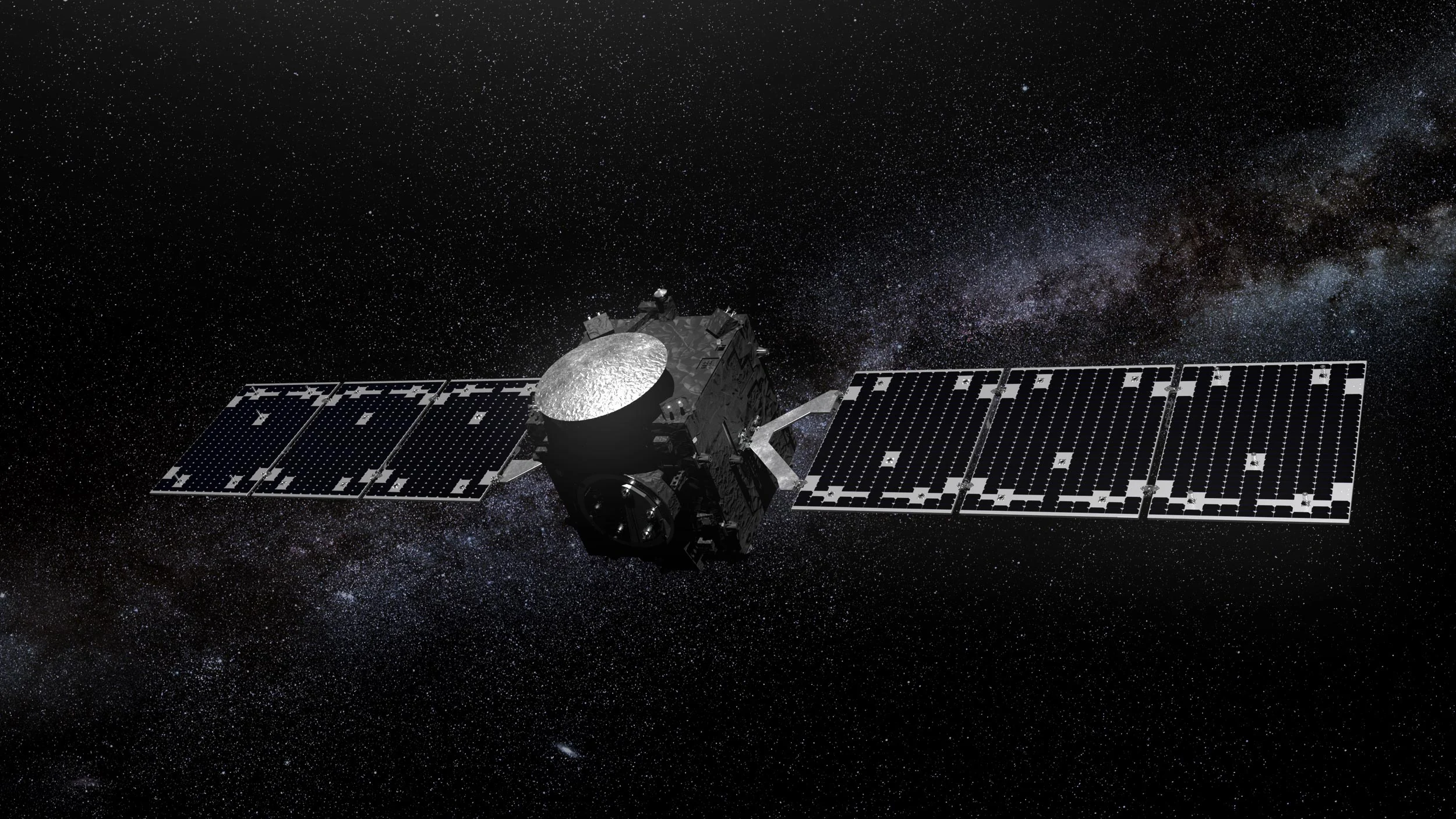
After two years of deep space flight, "Hera" has now reached the target area about 196.8 million kilometers from the Earth, and is preparing to conduct a comprehensive investigation of the impact site to assess the long-term impact of this experiment on the binary asteroid system.
Researchers pointed out that the mission undertaken by "Hera" is crucial to the planetary defense strategy. Although DART has proven that impacting an asteroid can change its trajectory, the scientific community still needs to gain a deeper understanding of the physical mechanism and the key factors that determine the magnitude of the orbital change.
By conducting detailed observations of Demovos and Didymos, "Hera" will help researchers further improve the "kinetic impact" defense technology. This method uses the momentum transfer caused by the high-speed impact of the spacecraft to change the orbit of the asteroid. The goal is to develop the experimental results verified by DART into a predictable and repeatable earth defense method to deal with near-Earth asteroids that may threaten the earth in the future.
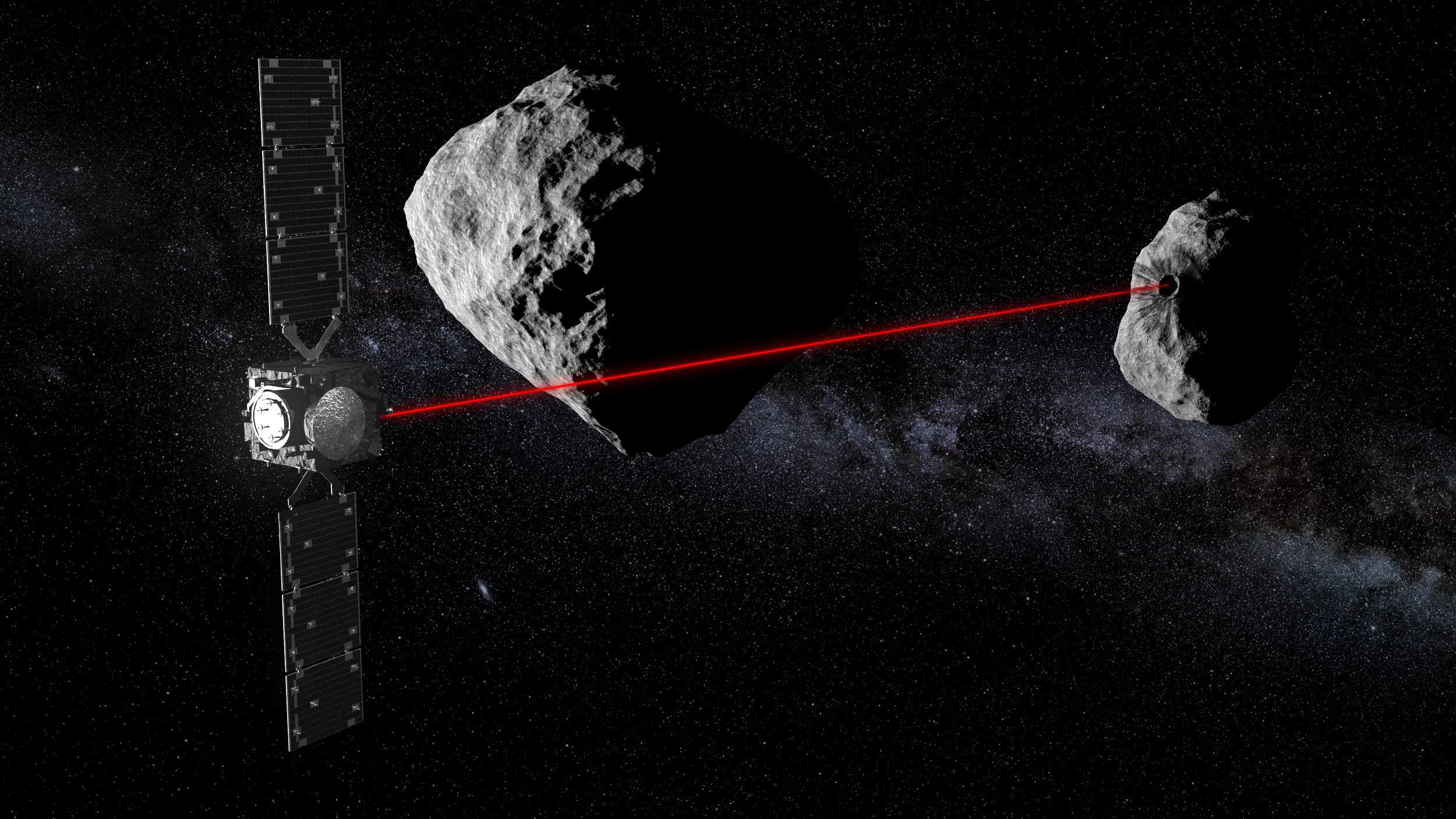
Hera mission manager Ian Canelli said seeing the image was an exciting moment for the entire mission team. After years of hard work, the probe has finally reached its target, but the journey of exploration has actually just begun.
According to the plan, higher-resolution and more detailed images of the binary asteroid will be officially released on November 25. At that time, scientists will be able to conduct a more in-depth study of the real traces left by this first successful human asteroid orbit deflection experiment.
Comments