
Abstract:
A study led by researchers at Florida International University and published in Nature Communications found that five deep-sea creatures in the Gulf of Mexico that live hundreds of meters below the surface have genetic signals associated with an increased risk of extinction. The research team analyzed the genetic data of a total of 486 samples of three species of lanternfish and two species of deep-sea shrimp collected between 2011 and 2023, and combined the ecological niche model to evaluate their population changes and future habitat conditions.
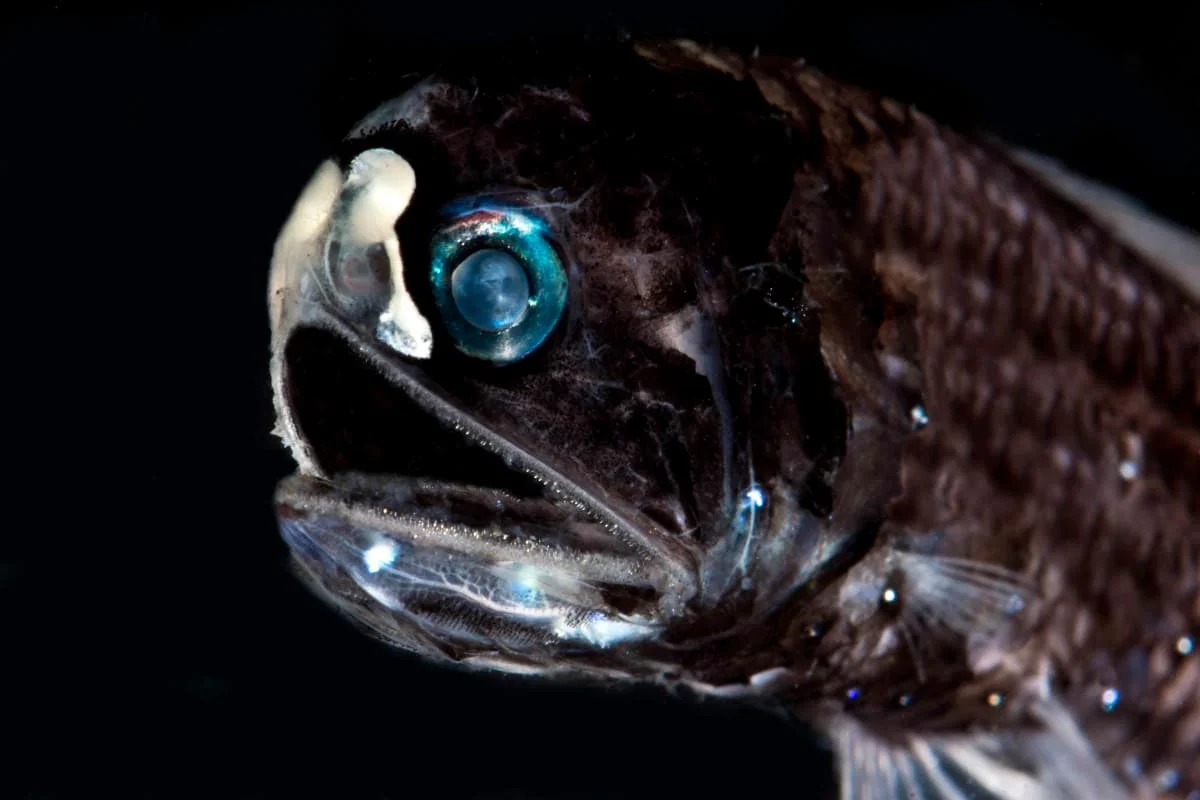
The effective population sizes of the five organisms are all low. Effective population size measures the number of individuals that actually transmit genes to their offspring, and is not equivalent to the total number of animals living in the sea; even if the number of a species seems to be large, genetic diversity may still be fragile if the source of reproductive genes is concentrated in a few individuals. The research team pointed out that the estimated values of the five organisms were all lower than the reference threshold of 500 commonly used to judge long-term genetic survival ability, and some estimates were close to or lower than 50. The researchers also caution that these thresholds are commonly used indicators in conservation genetics and are not a direct determination that a species is about to become extinct.
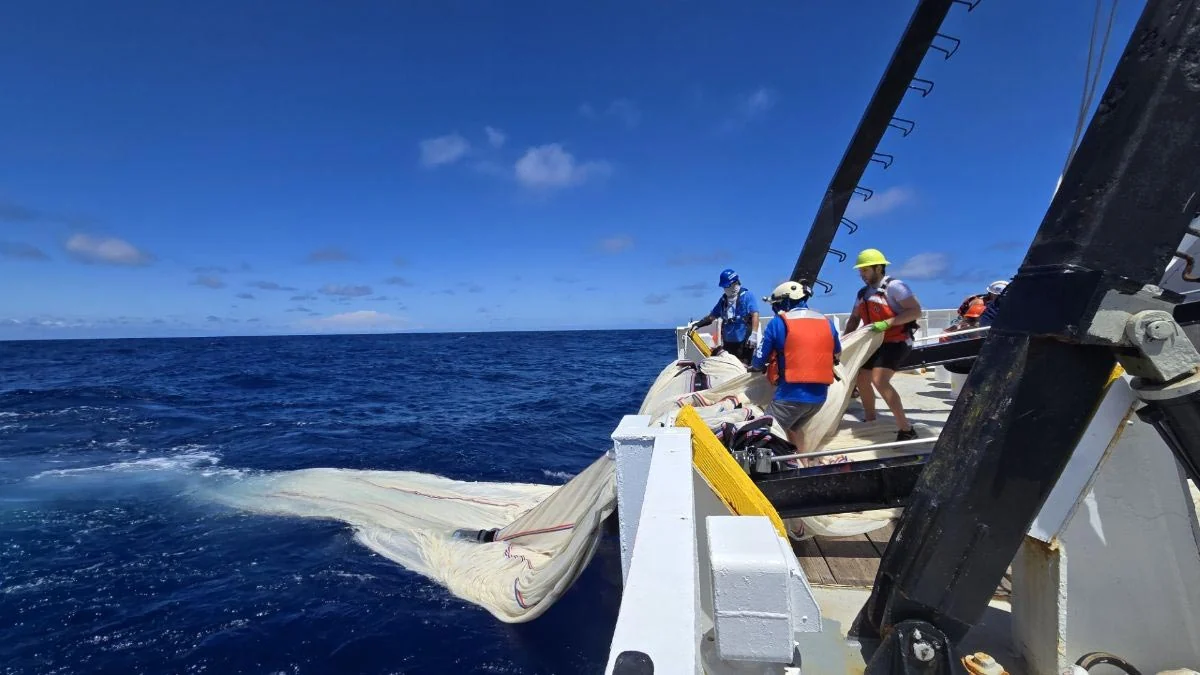
Among them, the lanternfish Diaphus dumerilii lost about 8% of its genetic diversity in about 12 years, a decline comparable to, or even higher than, the losses of some threatened or endangered animals over longer periods of time. Genetic diversity provides a basis for variation for populations to adapt to environmental changes, resist disease, and recover from ecological disturbances; once diversity is reduced, the population's ability to cope with future stress may also decrease.
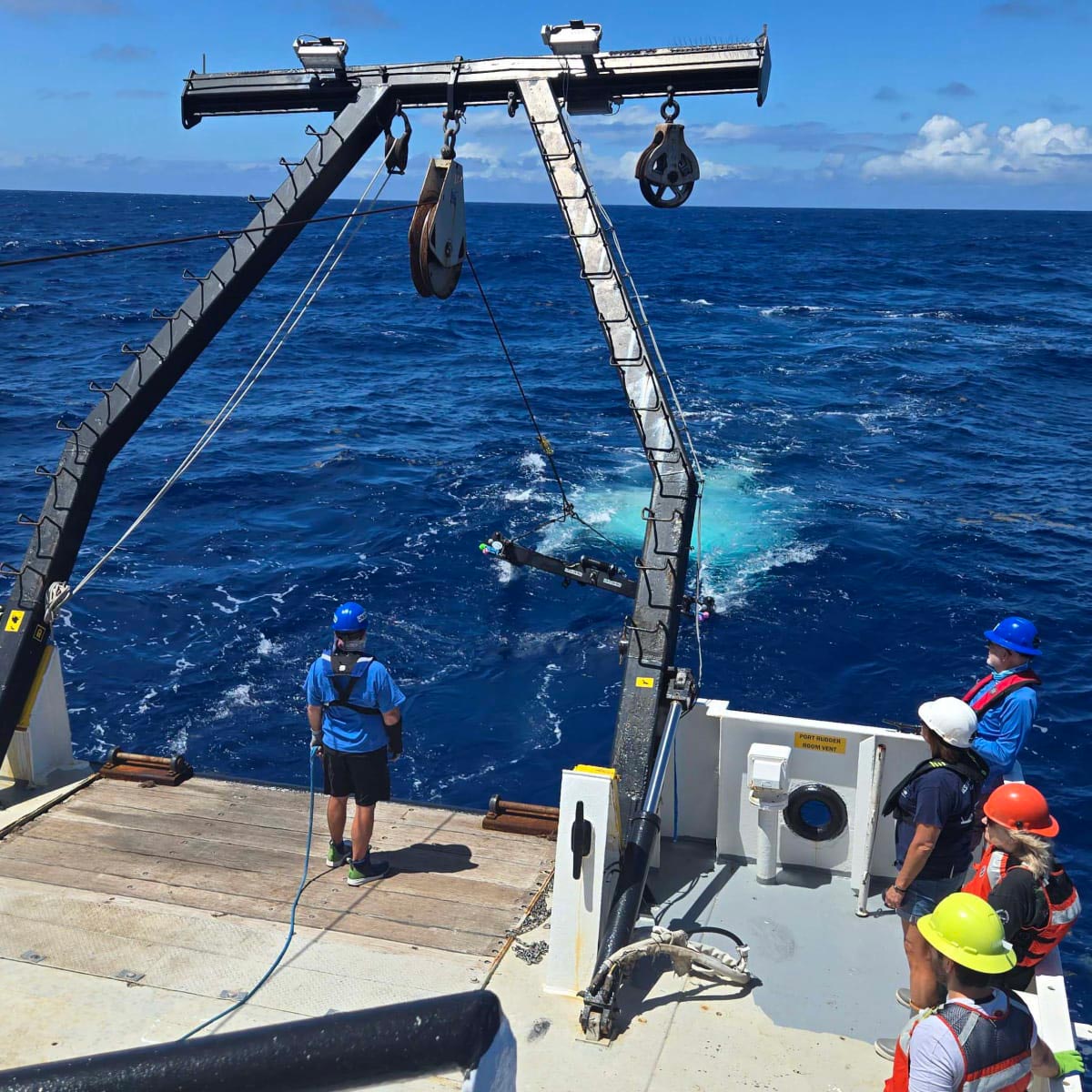
Climate models show that by 2050 and 2100, the suitable habitat for four research species in the Gulf of Mexico may shrink significantly, by up to 70%. This is a model prediction, not an observed loss of habitat; but when combined with the genetic vulnerabilities currently discovered, it may further increase pressure on these populations. The research team also found through population history models that the population sizes of five organisms have declined in the past, but different models have different estimates of the timing and magnitude of the decline.
The research has also renewed concern about the long-term effects of the 2010 Deepwater Horizon oil spill. Previous research has documented significant declines in deep-sea animal populations in the Gulf of Mexico after the accident, but the new study does not prove that the oil spill caused the genetic changes observed today. The authors suggest that some populations may have been genetically vulnerable prior to the accident, and therefore may have longer-lasting effects from environmental disasters.
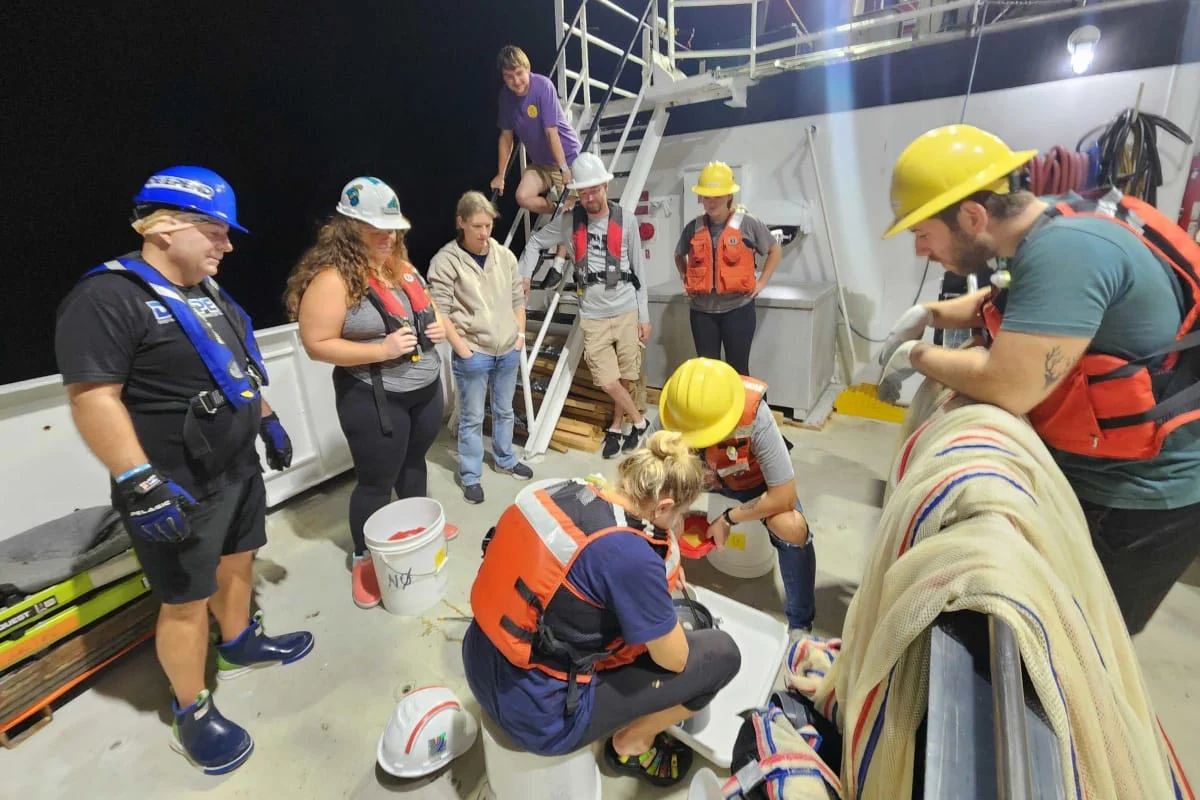
Researchers pointed out that traditional surveys usually focus on population size and may not detect hidden risks such as the continued loss of genetic diversity. Continuous genetic monitoring can help detect changes in the long-term viability of populations before their numbers decline significantly; the research team believes that deep-sea conservation assessments should combine genetic data with regular population surveys.
Comments