
Abstract:
The latest exposure information shows that Intel is formulating a more complete product layout for the next-generation processor platform "Razor Lake". This series is expected to cover the desktop, high-performance notebook and ultra-low-power mobile device markets at the same time, and is divided into three major product lines: S, U and L.
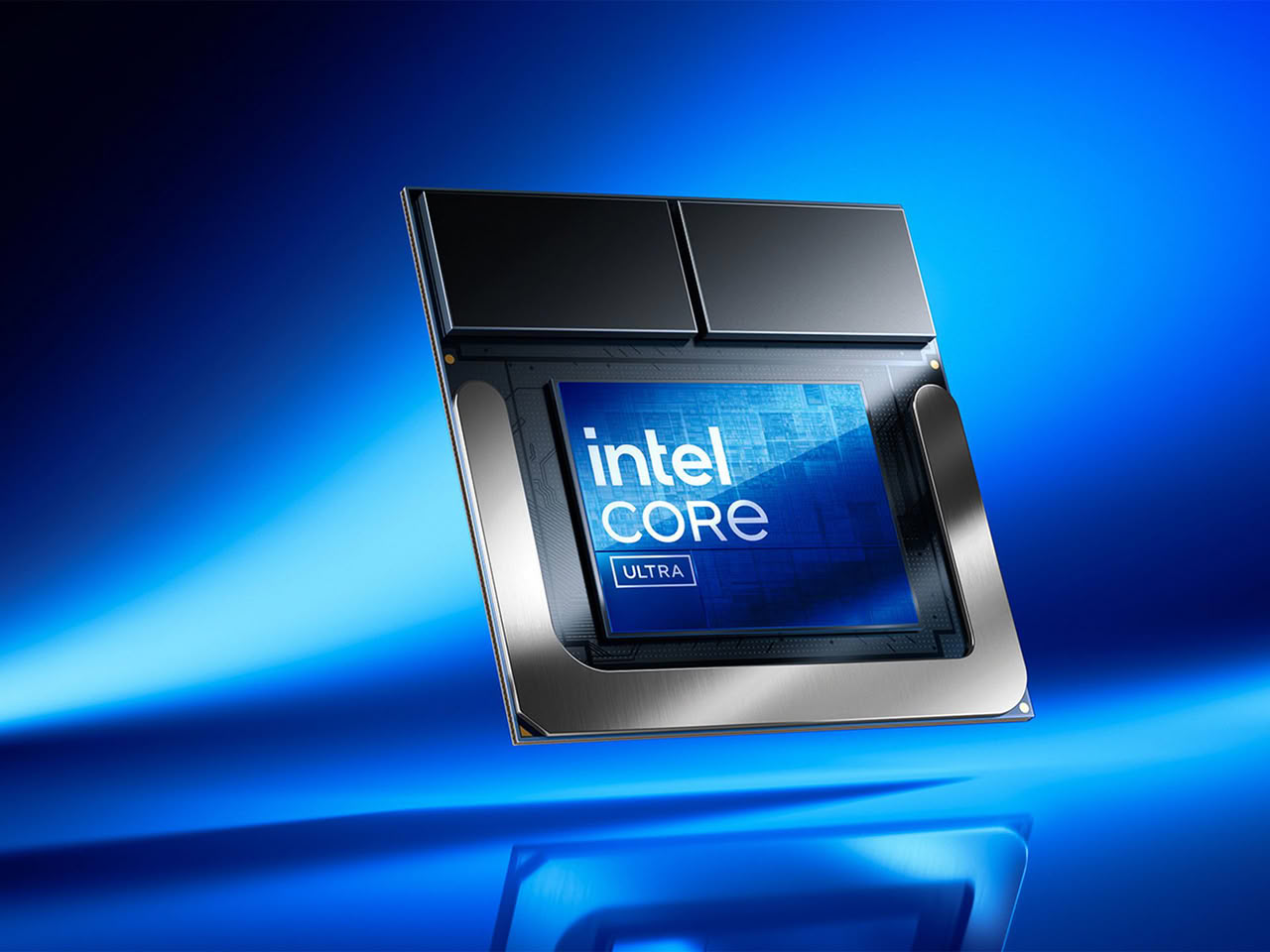
According to the disclosed roadmap information, Razor Lake will become an important part of Intel's client processor strategy in the next few years. Unlike previous architectures that were mainly targeted at a single market, Razor Lake plans to extend from high-performance desktop platforms to ultra-low-power mobile devices to form a product family with wider coverage.
Among them, Razor Lake-S will be targeted at the traditional desktop market. This series is expected to take over the future of high-end desktop platforms, targeting gamers, content creators, and high-performance workstation users. According to the news, this series will continue to adopt modular design ideas, while integrating Intel’s continued advancement of new generation processes and packaging technologies.
Razor Lake-U is mainly targeted at thin and light laptops and mainstream mobile device markets. The product line is expected to strike a balance between performance and energy efficiency, providing new upgrade solutions for ultra-portable notebooks, business devices and consumer-grade mobile platforms.
The one that attracts the most attention is the Razor Lake-L series. Exposure information shows that this product line will focus on the ultra-low power consumption field and is suitable for portable devices with extremely high battery life requirements and new mobile computing products. Industry insiders believe that as Arm architecture processors continue to expand their market influence, Intel's launch of specialized L series products is likely to further strengthen its competitiveness in the low-power market.
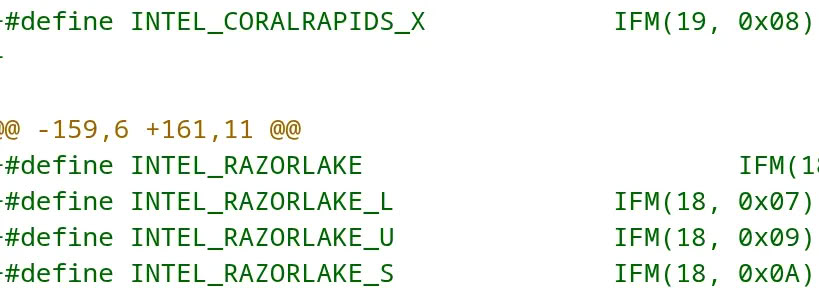
This plan also shows that Intel is trying to establish a clearer product layering system. In recent years, with the increasing demand for AI PCs, thin and light notebooks, high-performance gaming devices and edge computing terminals, it is often difficult for a single architecture to meet the needs of all market segments at the same time. Therefore, launching three versions of S, U and L respectively is regarded as a more targeted market strategy.
Although the specific architectural details, core configuration and performance parameters of Razor Lake have not yet been fully disclosed, it is widely expected that the series will integrate the technological achievements of Intel's future generations of processors, including more advanced CPU core design, stronger AI acceleration capabilities and updated integrated graphics architecture.
It is worth noting that Intel has been readjusting its product roadmap in recent years to improve the predictability of the pace of new product releases. Following Arrow Lake, Lunar Lake and subsequent platforms, Razor Lake is regarded as an important part of Intel's client processor development path.
At present, Intel has not officially announced the release time, final specifications and market positioning details of the Razor Lake series. However, as relevant roadmaps are gradually exposed, it can be seen that the company is building a complete processor ecosystem covering high-performance, mainstream mobile and ultra-low-power devices for the future PC market to cope with the increasingly fierce competition from AMD, Qualcomm and Arm camps.
Comments