
Abstract:
The research team of Karlsruhe Institute of Technology (KIT) in Germany recently released the latest research results pointing out that iron powder is expected to become an important part of the future clean energy system. Not only could this recyclable fuel help store and transport renewable energy, it could also provide new uses for retiring coal-fired power plants, improving power system stability while achieving climate neutrality goals.
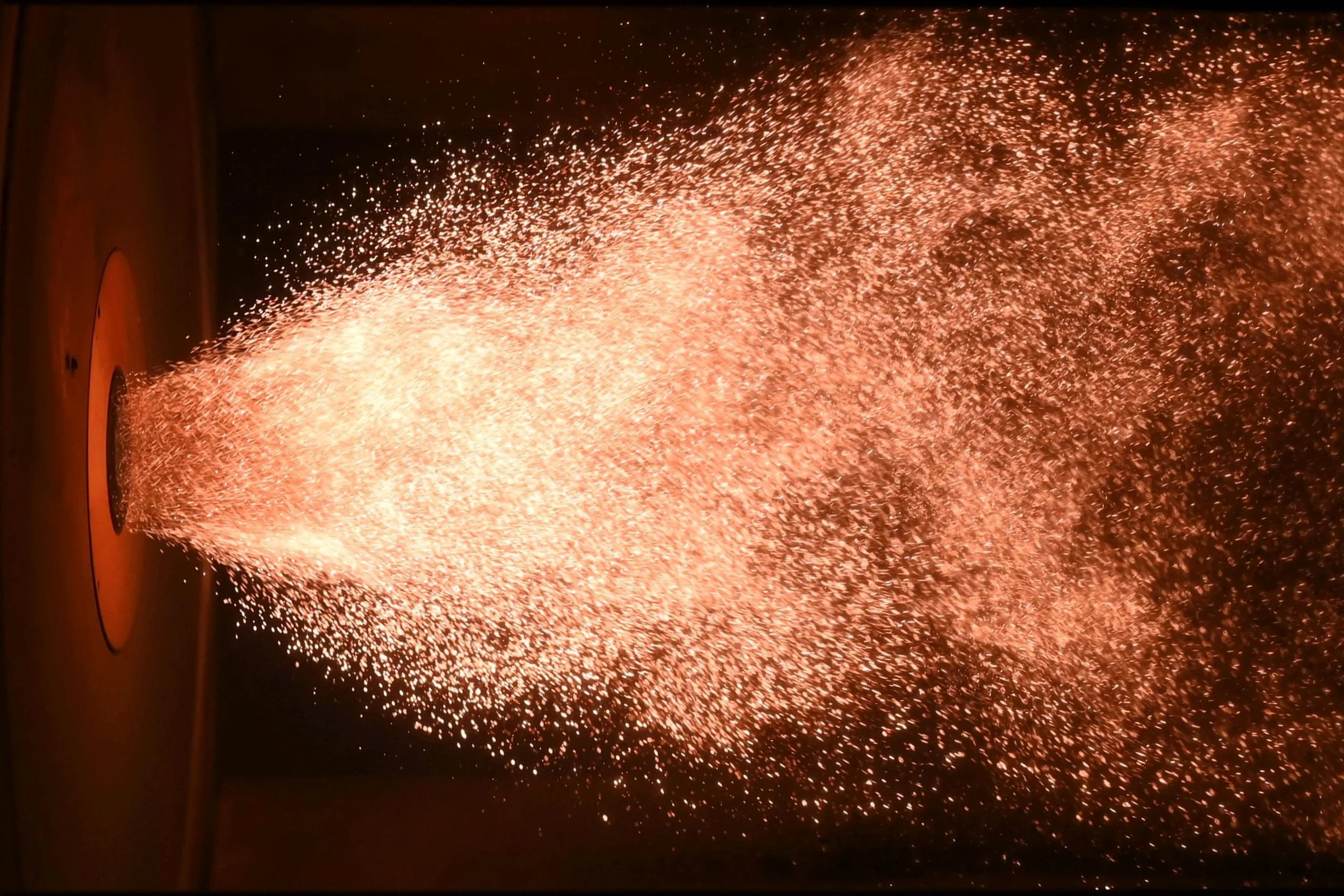
The iron powder energy system operates based on a cyclic process, the researchers said. When iron powder burns, it releases heat and forms iron oxide, also known as rust. Hydrogen produced from renewable energy can then remove the oxygen from the iron oxide, reducing it back to metallic iron so it can be used again. No carbon dioxide is emitted during the entire cycle, and no harmful environmental pollutants are produced.
The research team believes that one of the biggest advantages of this technology is its ability to utilize existing coal-fired power generation facilities. Because the combustion characteristics of pulverized iron are so close to those of coal, many coal-fired power plants can be retrofitted without complete rebuilding. The researchers pointed out that the modification work mainly focused on combustion and heat generation equipment, while key facilities such as steam turbines, generators and grid connection systems can continue to be used.
For countries with extensive coal power infrastructure, this option is highly attractive. Researchers said that taking Germany as an example, existing power plants, heating networks and related supporting facilities may gain new vitality, thereby reducing the cost of energy transition.
In addition to power generation, iron powder is also seen as a potential long-distance energy transport carrier. The researchers envision using renewable electricity to produce hydrogen at coastal wind farms or desert solar bases, and then use the hydrogen to reduce iron oxide into iron powder. The iron powder can then be transported to energy-demanding areas and burned to release the stored energy.
Compared with hydrogen, iron powder has obvious advantages in storage and transportation. Hydrogen usually requires dedicated pipelines, import terminals and underground storage facilities, while iron powder can be stored and transported in a simpler way for long periods of time, thereby potentially reducing investment in large-scale energy infrastructure construction. Excess renewable electricity within Europe can also be used to complete the iron powder regeneration process, thus forming a regional energy cycle system.
In order to evaluate the actual potential of this technology, the research team expanded the existing PERSEUS energy model based on the results of the "Clean Circles" research project to include iron fuel power stations, iron regeneration facilities, and supporting storage and transportation networks into the simulation system. The researchers then constructed a European climate-neutral energy system model for 2050 and compared the iron powder solution with technologies such as battery energy storage, hydrogen energy storage, and hydrogen fuel power generation.
The simulation results show that in all studied scenarios, the option of using iron-fueled power plants appears in the lowest-cost energy system combination. However, the researchers also emphasized that this result does not mean that iron powder will replace hydrogen energy, but is more likely to become an important supplement to the latter.
Research has found that iron powder technology is particularly valuable in countries and regions that lack hydropower resources or do not have underground hydrogen storage conditions. In these places, iron powder can help keep power supplies stable when wind and solar power are insufficient for long periods of time. In addition, iron powder can also share some of the energy transportation and storage needs when the capacity of hydrogen pipelines and import terminals is close to the upper limit.
The research leader said that iron powder may play a unique and economically valuable role in achieving climate neutrality and improving the reliability of renewable energy in the future. However, whether the "new iron age" has truly arrived still depends on two key questions: how large-scale modifications are needed to existing coal-fired power plants, and whether the process of reducing iron oxide to metallic iron can achieve high enough efficiency and economy.
The research team believes that the current simulation results show that iron powder has the potential to become an important part of Europe's future climate-neutral energy system, but its ultimate competitiveness still needs to be proven through actual engineering verification and commercial application. As the global energy transformation continues to advance, this seemingly traditional metal material may play a new strategic role in the future clean energy era.
Comments