
Abstract:
Wood has long been regarded as an ideal building and manufacturing material because of its combination of durability, strength, light weight, good thermal insulation properties and high sustainability. However, compared to plastics and metals, wood has obvious limitations in shaping, and it is especially difficult to achieve complex curved structures. Now, Italian researchers have developed a new environmentally friendly treatment process that is expected to change this situation.
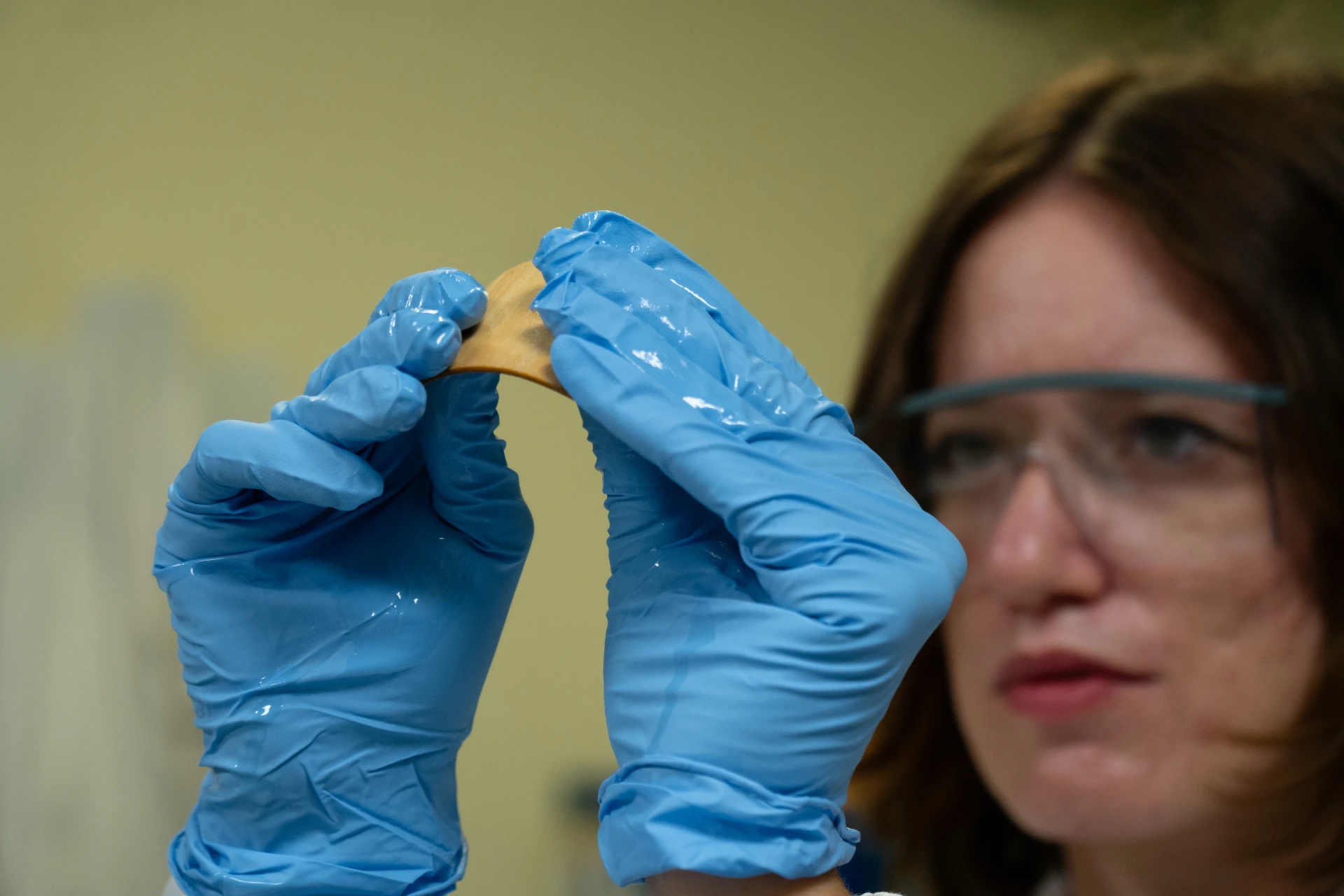
There are two main methods of wood bending commonly used in the industry. The first is steam bending, which uses high temperatures and humidity to temporarily increase the flexibility of the wood, but this process consumes a lot of energy and is not suitable for all wood species. It can also cause cracking and reduce the durability of the final product. The second is the lamination and bending process, which involves cutting the wood into thin slices, applying adhesive, then stacking them again, and pressing them into shape through a mold. This method is complex, time-consuming, and not environmentally friendly.
In response to these problems, the Intelligent Materials Department of the Italian Institute of Technology proposed a third solution. The research team says developing more sustainable wood processing technologies is crucial to expanding its range of applications. The new process enables wood to be bent with lower energy consumption while maintaining its original mechanical properties and biodegradability.
At the heart of this breakthrough is a bio-based solvent called Cyrene. Cyrene is derived from cellulose. Unlike traditional processes, the researchers do not need to cut the wood into multi-layer structures, use toxic chemicals or treat it with extreme heat. Instead, the researchers soak the entire piece of solid wood in a mixture of Cyrene and water.
The study found that the mixture can penetrate into the internal structure of wood, especially acting on lignin molecules, changing the way they interact. After treatment, the internal structure of the wood becomes more relaxed and the molecules have a higher degree of freedom of movement, thus significantly reducing rigidity and increasing flexibility. When the wood is bent to its desired shape and dried, it not only maintains its new shape but also regains its original durability.
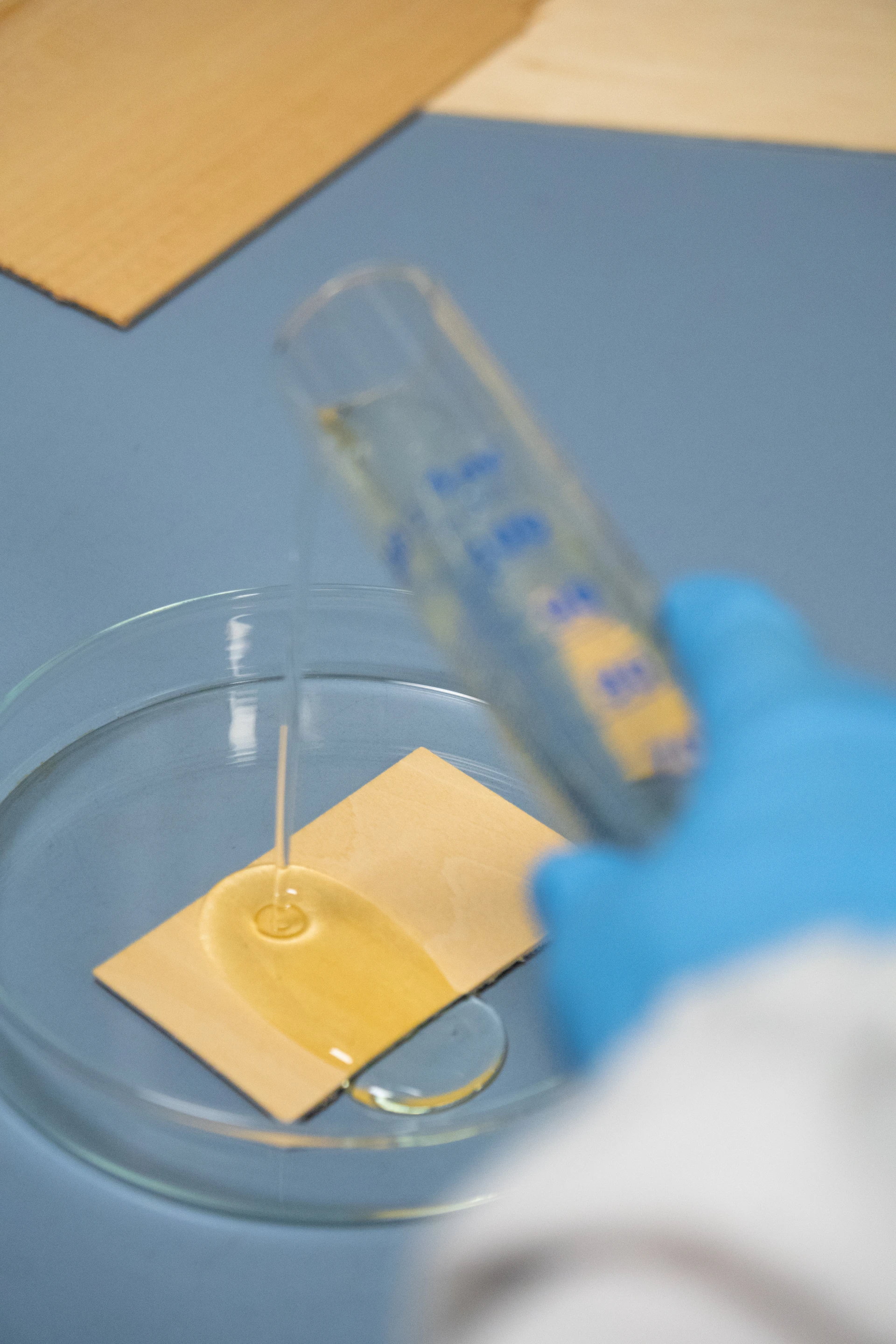
This process also has significant advantages in energy consumption compared with traditional technologies. During the experiment, the mixed solution of Cyrene and water only needed to be heated to about 65 degrees Celsius to work, which is far lower than the temperature and energy consumption levels required by many existing wood forming processes.
The research team emphasized that Cyrene is a completely green and environmentally friendly solvent and is non-toxic to the human body. At the same time, because the entire process does not use petrochemical-derived adhesives, the final wood products are easier to recycle and biodegradable.
During the experimental verification phase, the researchers tested a variety of woods, including basswood, balsa wood, Bahia walnut, okoume and ash. The treated wooden boards, which are 2 to 5 millimeters thick, exhibit significantly enhanced flexibility and can bend or even curl under small external forces, performing similar to plastic materials.
However, the technology is still in its early stages, and the experimental subjects are mainly thinner wooden boards. The next step for the researchers will be to try to expand the scope of the process and verify its effectiveness and feasibility on thicker and larger solid wood materials.
If applied on a large scale in the future, this technology is expected to be widely used in furniture manufacturing, interior design, musical instrument production, toy manufacturing and other fields, providing a new, more environmentally friendly and efficient option for the wood processing industry.
Comments