
Abstract:
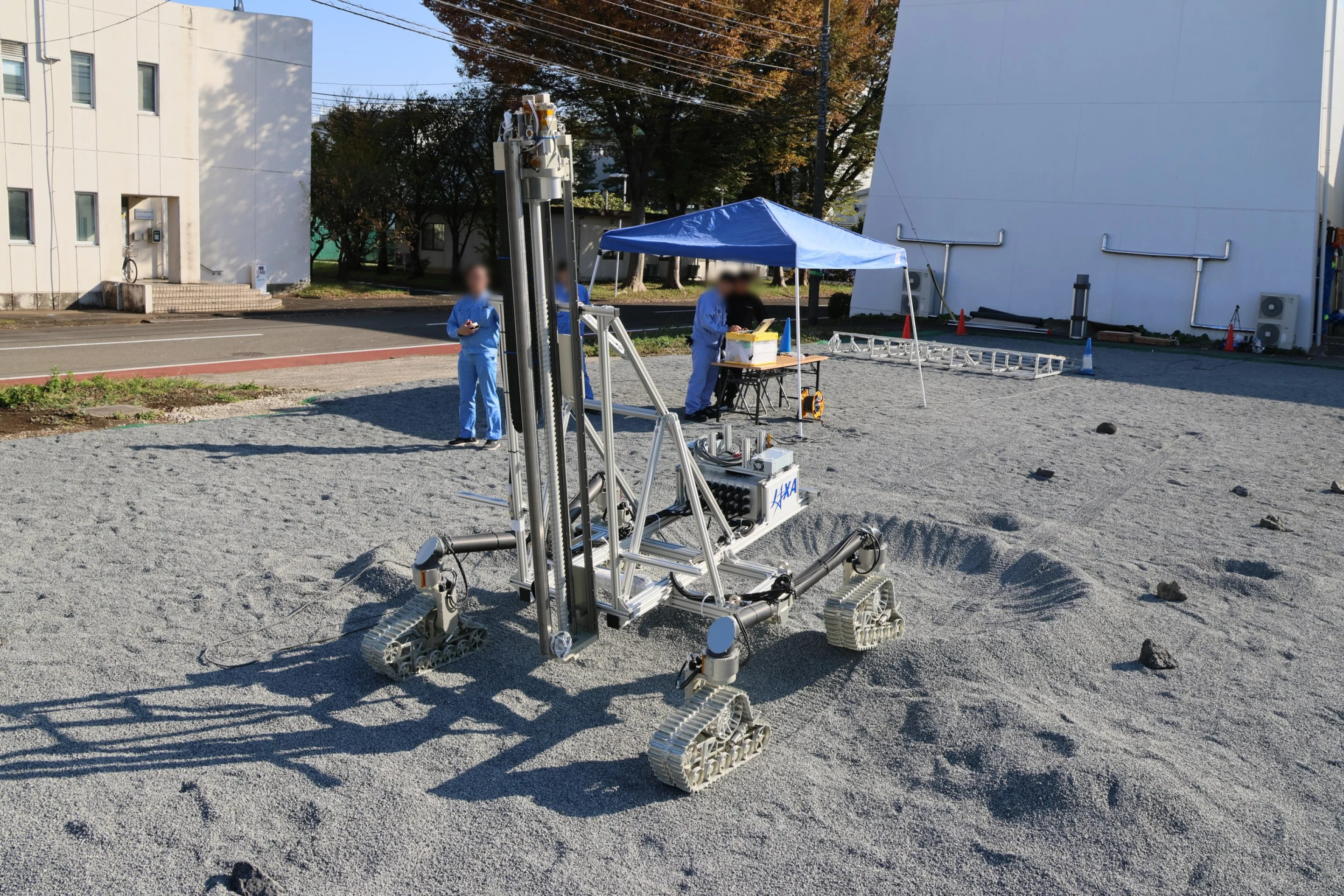
The Japan Aerospace Exploration Agency (JAXA) recently showed the media a ground test model of a four-legged lunar rover. This robot will go to the lunar South Pole in the future to search for and assess local water ice resources. The demonstration event was held at the Chofu Space Center in western Tokyo. The test vehicle traveled over rocks and simulated craters on a gravel field for about 18 meters at a speed of about 3 centimeters per second.
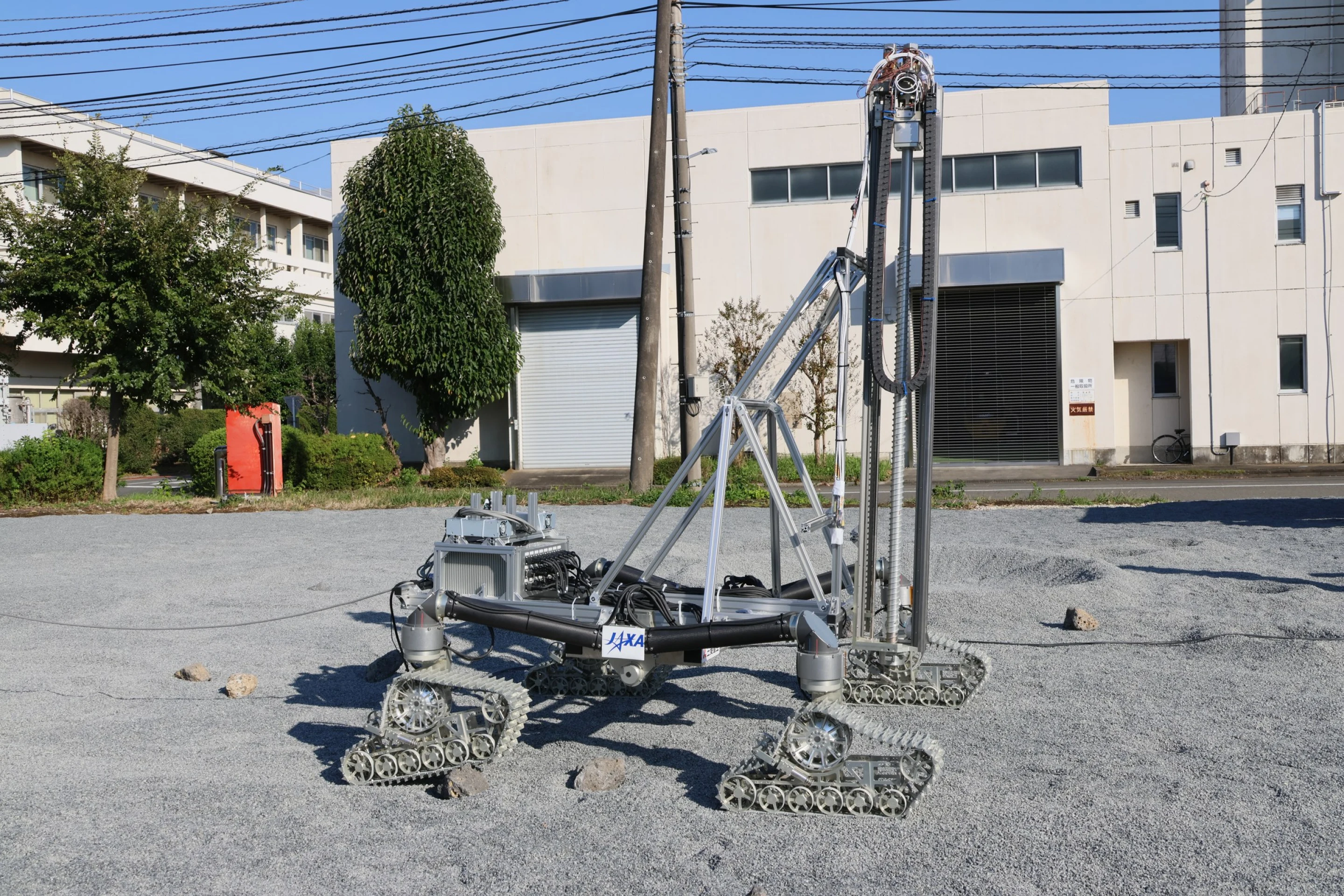
This lunar rover is Japan's part of the "Lunar Polar Exploration" (LUPEX) mission. LUPEX is jointly implemented by Japan and the Indian Space Research Organization (ISRO), with India responsible for building the lander. The two parties plan to use Japan's H3 rocket to send the probe to the south pole of the moon between April 2028 and March 2029.
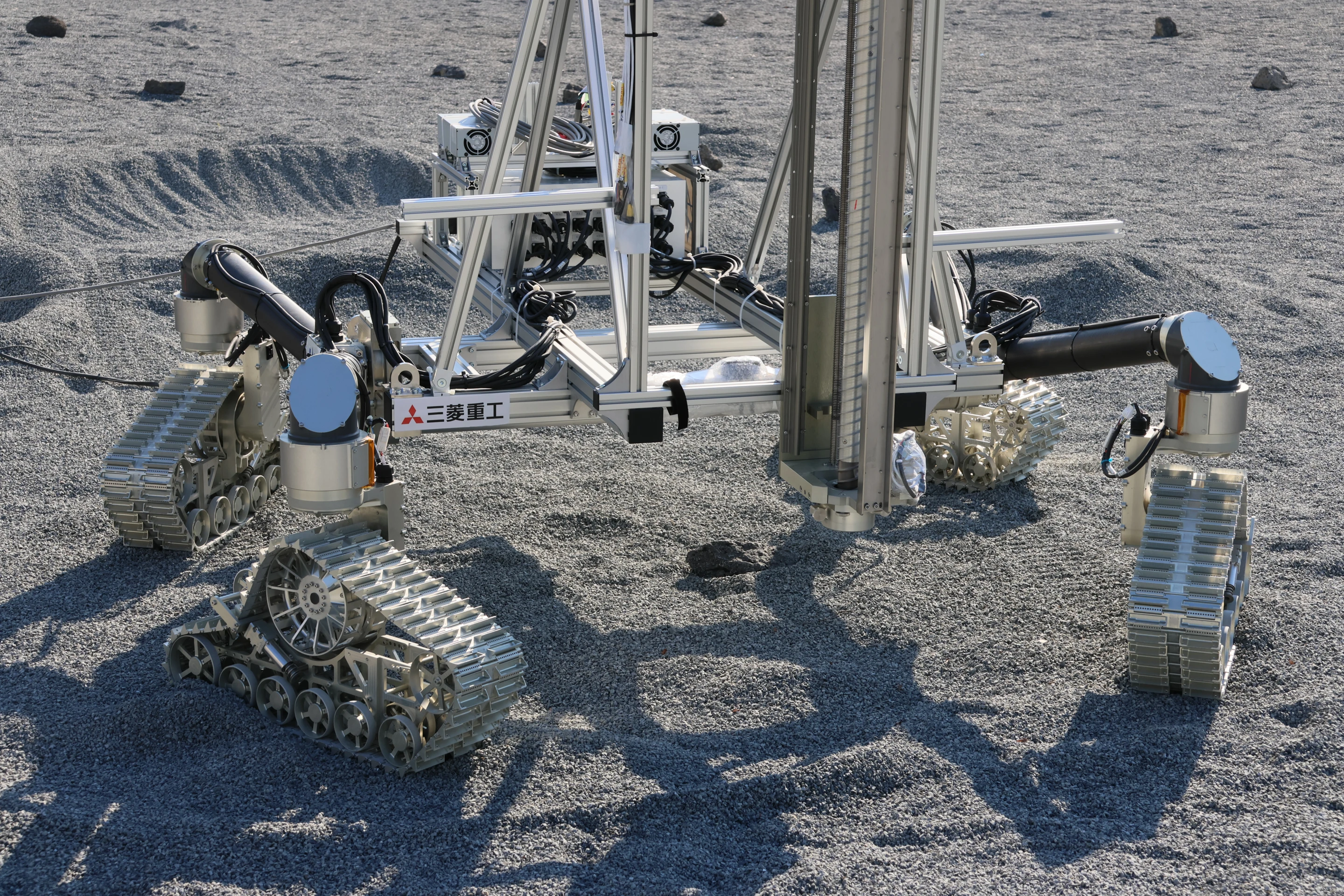
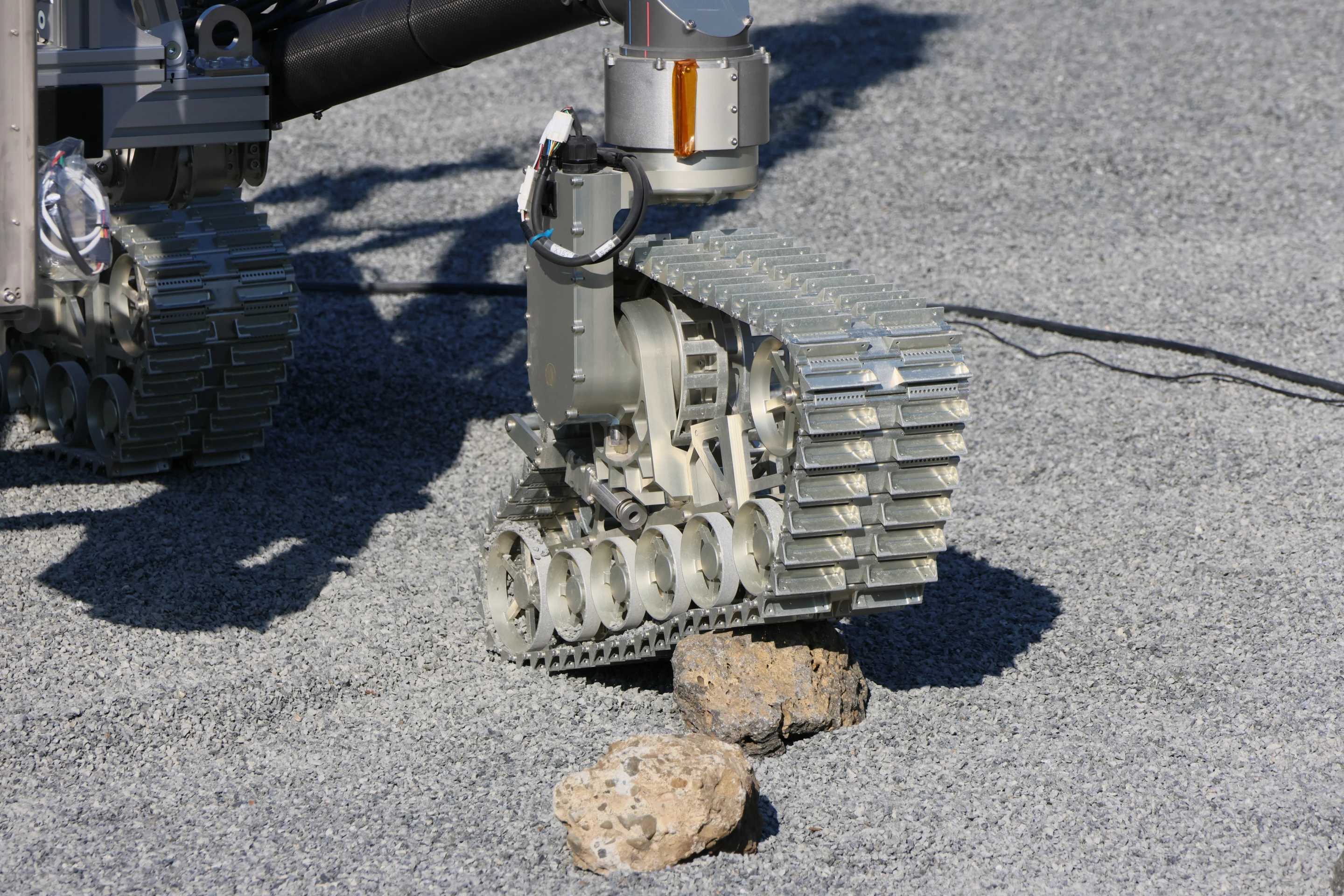
Unlike common lunar rovers that use wheels, this probe uses crawler legs. JAXA said this design can prevent the vehicle from sinking into loose lunar soil. The entire vehicle weighs about 420 kilograms, and each leg can steer independently and distribute the weight to reduce the risk of sinking or rolling over. Engineers have tested its ability to climb hills on one leg, travel on just two legs, and move in a vacuum environment.
JAXA project leader Ken Hoshino told the media that the team’s ultimate goal is to use water on the moon to create rocket fuel. Shipping water from Earth would be prohibitively expensive, but if water ice could be broken down into hydrogen and oxygen on the moon, rocket propellant could be produced directly in space. So a key goal, he said, is to produce fuel on the moon for future missions, whether returning to Earth or continuing on to Mars.
The reason why the South Pole of the Moon has become the focus of attention is that some craters there never get sunlight. JAXA believes that water is most likely preserved in these craters in a form close to the surface. NASA plans to land its Artemis astronauts in the area, and China also plans to land its Chang'e-7 probe there, but China postponed the launch in August this year. Ken Hoshino also said that drilling technology will also help build bases on the moon in the future.
The biggest unknown at present is how much water there is in the south pole of the moon, where the water is specifically distributed, and in what form it exists. JAXA says this "remains a mystery." One of the few hard data available for reference comes from 2009: when NASA's LCROSS probe hit the Cabeus Crater near the South Pole, it was found that water accounted for about 5.6% of the mass in the splashed debris.
Before landing, JAXA will select the specific area of the lunar south pole and the stopping points along the way. The plan is to choose a location with longer sunshine hours so that the rover can carry out explorations more autonomously and survive the cold moonlit nights. These two capabilities are exactly what JAXA hopes to verify. The mission is expected to last at least three and a half months and possibly up to a year.
Finding water is equally difficult. Ice is difficult to detect directly, so the rover will use NASA's neutron spectrometer to detect possible hydrogen beneath the surface. It is also equipped with a ground-penetrating radar provided by ISRO, which can observe underground layered structures, and an imaging spectrometer from JAXA and ISRO, which analyzes the surface composition through reflected light from the ground. Once signs of hydrogen are found, the rover has the ability to drill into the ground and collect samples.
The collected samples will be sent to the REIWA analysis device, which Hoshino Ken calls the core of the mission. The device contains a variety of instruments: LTGA heats the soil in a sealed chamber and weighs it. If the weight is reduced, the team can estimate how much water was in the soil before heating; TRITON is responsible for identifying the evaporated gas; ADORE uses optical means to detect water. The European Space Agency also provided the lunar rover with the EMS-L instrument, which is equivalent to an "artificial nose" that can sniff the surrounding thin gas.
LUPEX may not be the first mission to reveal the answer. NASA canceled its own ice exploration rover VIPER in 2024, then revived it a year later. If NASA finalizes the order, Blue Origin may send it to land near the moon's south pole by the end of 2027.
For JAXA, finding water is just the first step. After LUPEX, the agency hopes to extract water from the lunar soil and further build facilities on the moon that can refuel spacecraft.
Comments