
Abstract:
Microsoft launched the Windows 11 September 2026 Patch Tuesday update on September 9 and reminded users to install it as soon as possible. The report pointed out that this update not only brings new changes such as the movable taskbar, but more importantly, it fixes a large number of security vulnerabilities, involving a total of 974 Microsoft CVEs, of which 723 are covered by the Windows product family, and there are 611 independent vulnerabilities related to Windows 11 24H2 and 25H2.
Microsoft reminds users not to delay installation because this patch fixes a record number of security vulnerabilities and reflects the acceleration of AI-driven attacks.
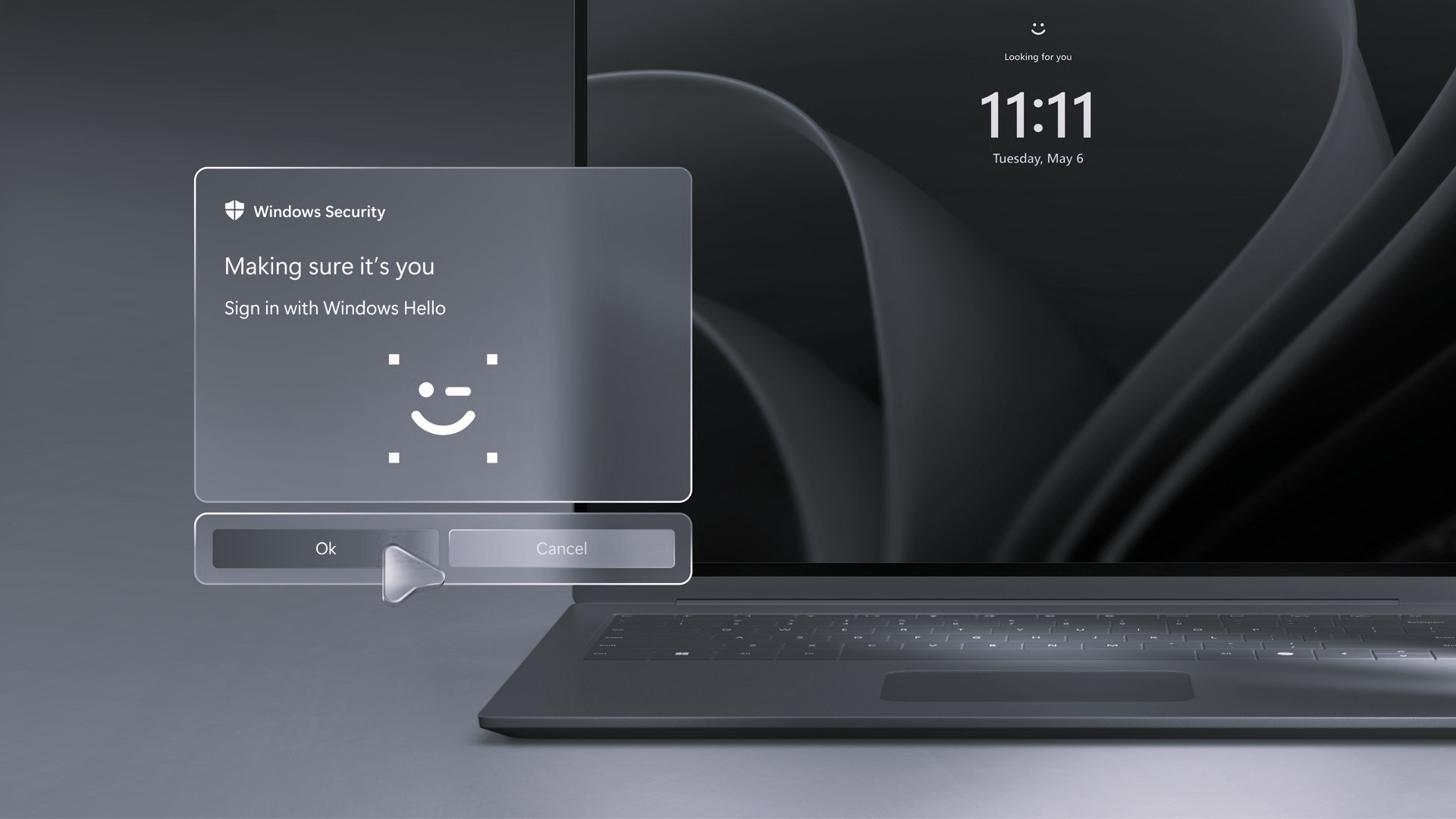
Microsoft 365 head Jeremy Chapman said that it is best not to postpone quality updates for more than three days; if it is an update with a zero-day or one-day deadline, the grace period is only two days at most. It is recommended that Windows updates should no longer be delayed unless the computer is offline for an extended period of time.
This patch affects multiple basic components of Windows, including Windows Update, Windows Hello, Windows Biometric Services, and the graphics kernel. Among them, CVE-2026-81963 of Windows Update Stack is regarded as one of the most urgent issues, and Microsoft said that the vulnerability has shown signs of being exploited. In addition, CVE-2026-69784 of Windows Hello, CVE-2026-73017 of Windows Graphics Kernel, and CVE-2026-83979 of Windows Biometric Service are also included in the scope of this repair.
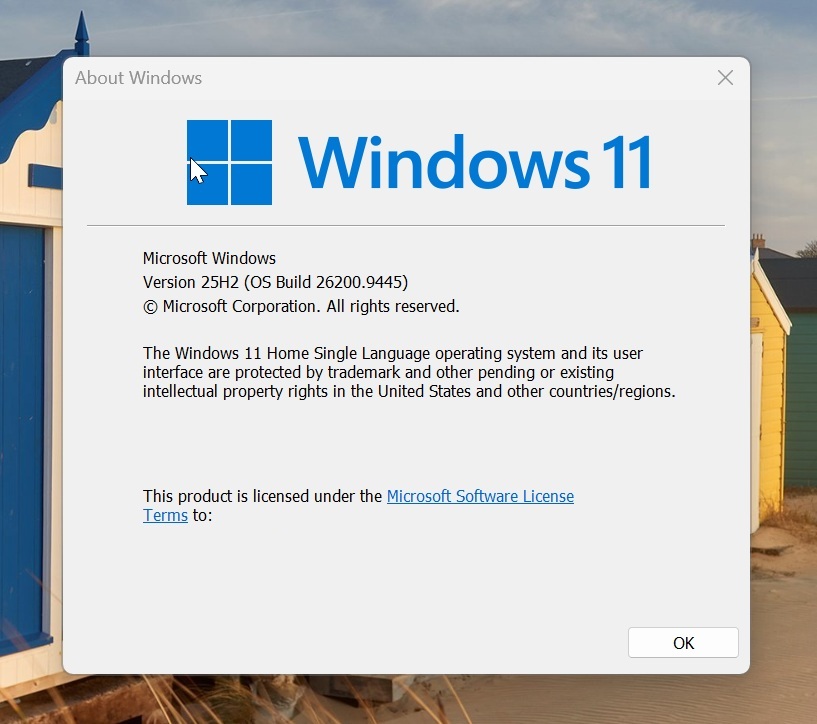
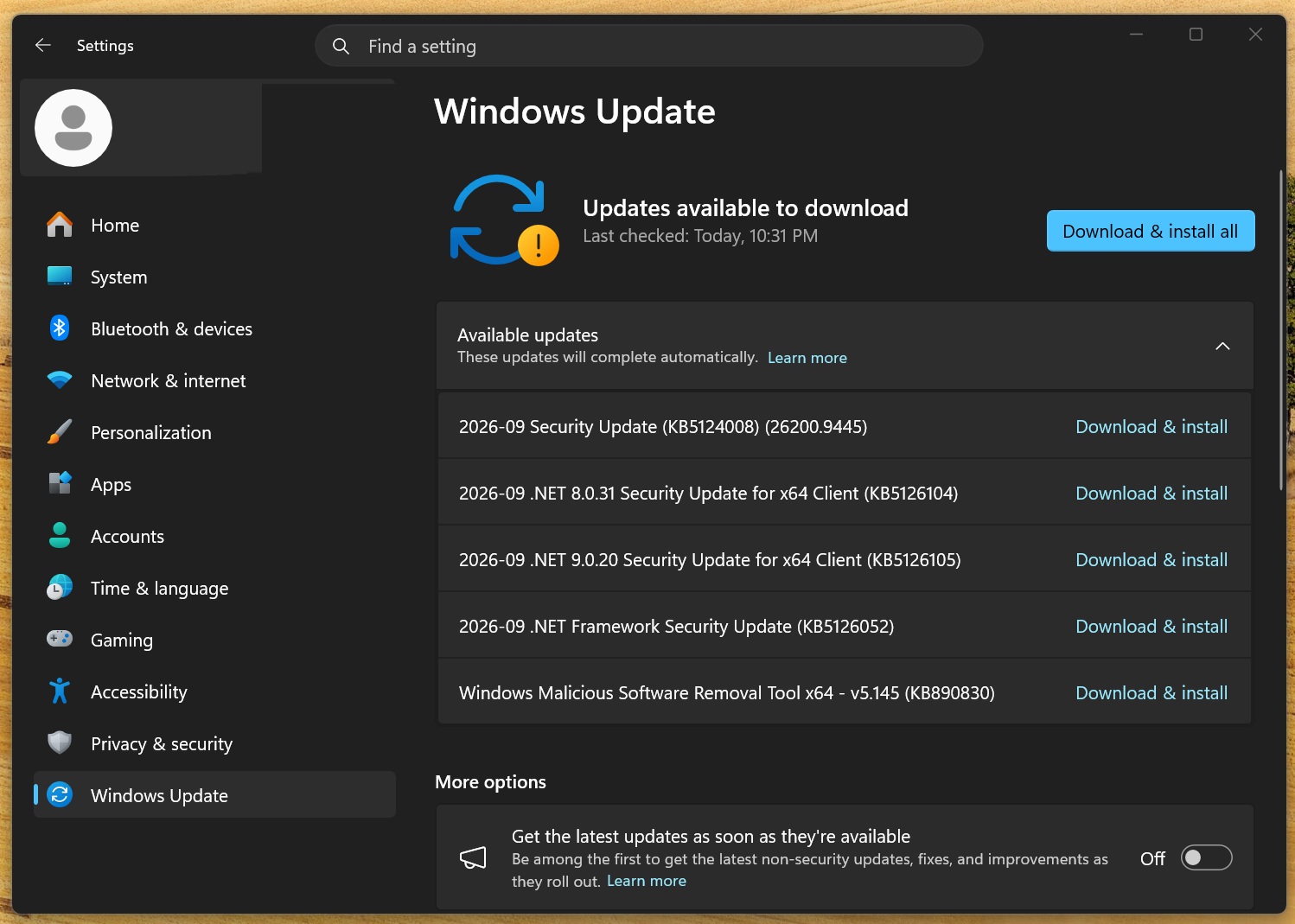
The corresponding versions of Windows 11 25H2 and 24H2 should be upgraded to at least Build 26200.9445 or Build 26100.9445; users can check the version number by entering winver through "Win + R", or go to "Settings > Windows Update" to confirm whether KB5124008 has been installed.
The report emphasized that the total number of vulnerabilities disclosed by Microsoft on the release day this year increased significantly. According to statistics in the article, from January to September 2026, the total number of CVEs announced by Microsoft on Patch Tuesday reached 2,779, compared with 876 in the same period in 2025, an increase of approximately 217.2%. In September alone, the number jumped from 86 last year to 974 this year, a year-on-year increase of more than 1,000% according to the article.
Microsoft’s explanation for this is: On the one hand, the internal AI model is more mature and can discover vulnerabilities faster; on the other hand, external researchers are more involved, and the overall disclosure volume has increased. At the same time, attackers are using AI to find and exploit known security gaps more quickly, making speed of patch deployment more important than in the past.
Microsoft warned in July 2026 not to delay Windows updates because AI-assisted threats were growing rapidly. Since then, Microsoft has updated its deployment recommendations to shorten the extension time for quality updates to less than three days, set the update deadline to zero or one day, and tightened the grace period limit to two days.
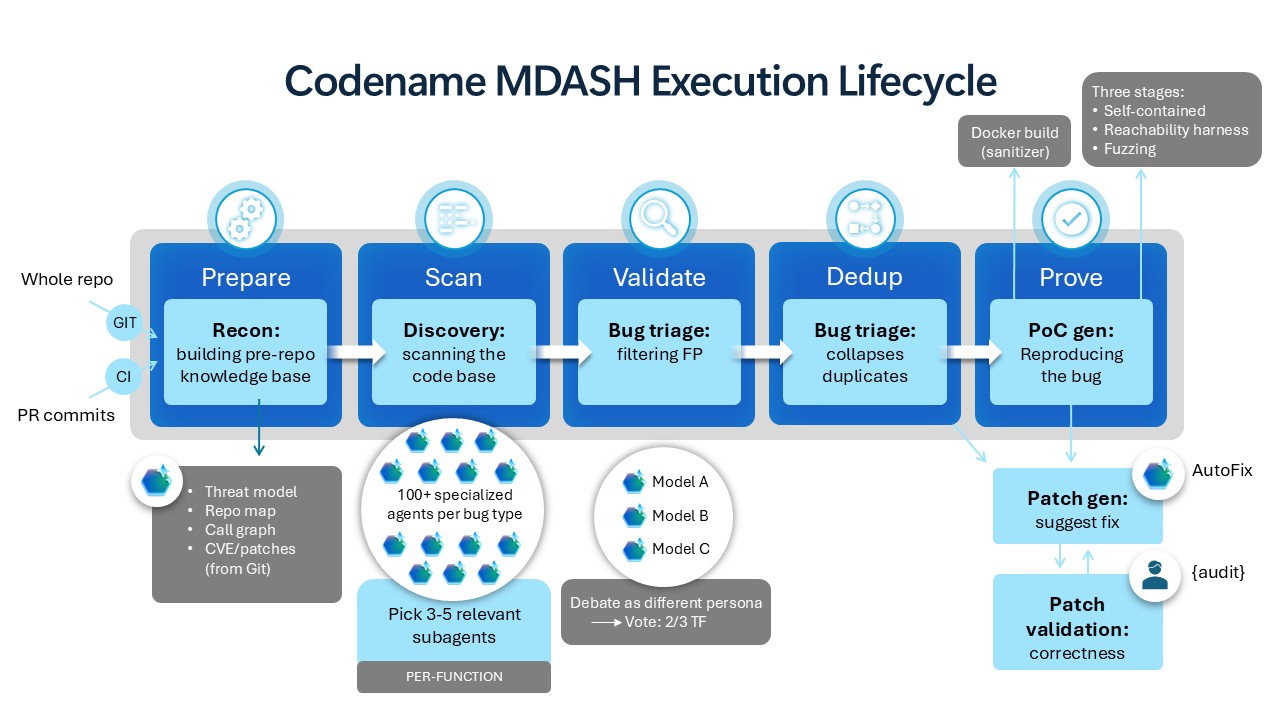
Microsoft also confirmed that it is using a system called MDASH to find vulnerabilities in Windows, describing it as an "agentic vulnerability discovery and remediation system." This means that Microsoft may discover more vulnerabilities in the future and will continue to push up the scale of monthly patch repairs.
Comments