
Abstract:
Nothing officially launches a new generation of flagship headphones, Headphone (1) Pro, priced at US$399. While continuing Nothing’s iconic transparent design language, this product has comprehensively upgraded its audio system, active noise reduction, wearing comfort, and professional audio functions. The product positioning has also shifted from purely pursuing a unique appearance to competing head-on with high-end headphones such as Bose, Sony, and Apple.
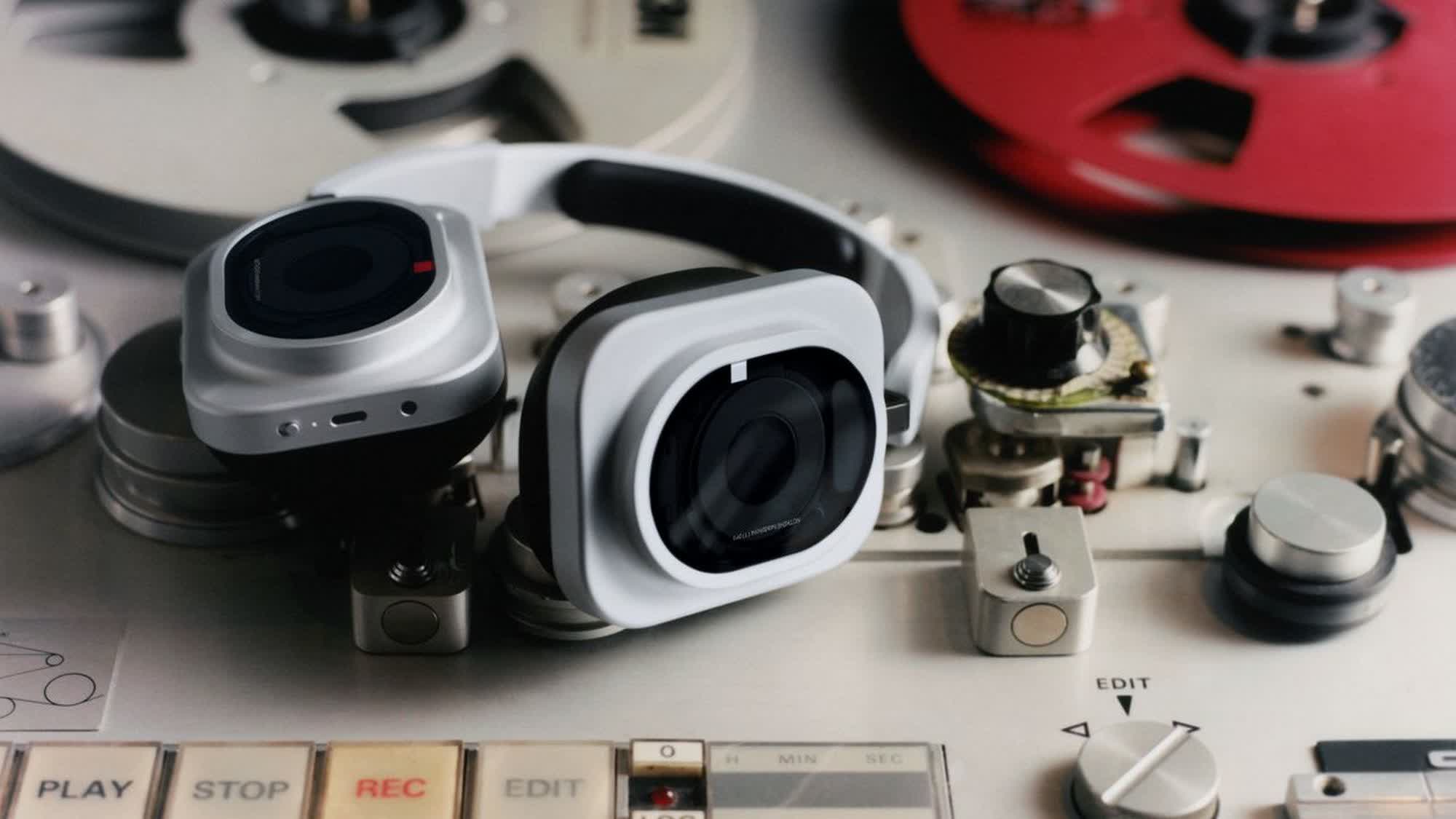
The biggest change in Headphone (1) Pro comes from the audio architecture. Unlike common headphones that use a single speaker unit to cover the entire frequency band, Nothing is equipped with three independent units for each side of the earcup, responsible for low frequencies, mid frequencies, and high frequencies. The low-frequency part uses a 40mm dynamic driver unit to enhance low-frequency dive and intensity; the mid-frequency part is handled by an independent precision dynamic unit, focusing on improving the detailed performance of vocals and musical instruments such as pianos and guitars; the high-frequency part uses xMEMS solid-state driver units, which use silicon membrane structures to improve high-frequency transient response, making drums, cymbals and high-frequency sounds in electronic music clearer.
Nothing said that the three-unit design allows different drive units to focus on their own frequency ranges, thereby reducing the turbidity and distortion that may occur when a single drive unit handles low, mid, and high frequencies at the same time. The company also cooperated with London's Metropolis Studios to tune the Headphone (1) Pro, hoping to meet the needs of both ordinary consumers and professional audio users such as recording and mixing.
For professional users, Headphone (1) Pro adds a special Flat EQ physical switch. When turned on, the headphones will turn off part of the sound processing, making the output closer to an unmodified flat frequency response, making it easier for music producers and mixing engineers to judge the sound of the work itself, rather than being affected by the default timbre of the headphones. Nothing also collaborated with Metropolis Studios to develop related equalizer functions and added a dynamic spatial audio mode called "Studio B" that can simulate the mixing environment of the recording studio.
In addition to Studio B, the headset also provides other custom EQ and spatial audio modes, and supports head tracking, allowing users to maintain the position of the virtual sound field when turning their heads. Ordinary users can also choose different sound configurations according to the type of music.
In terms of connectivity, Headphone (1) Pro supports LDAC and high-resolution audio, supports wireless and wired Hi-Res playback, and can achieve up to 24bit/192kHz audio through USB-C. The headset also retains the 3.5mm analog audio interface, so professional users can directly use traditional wired devices.
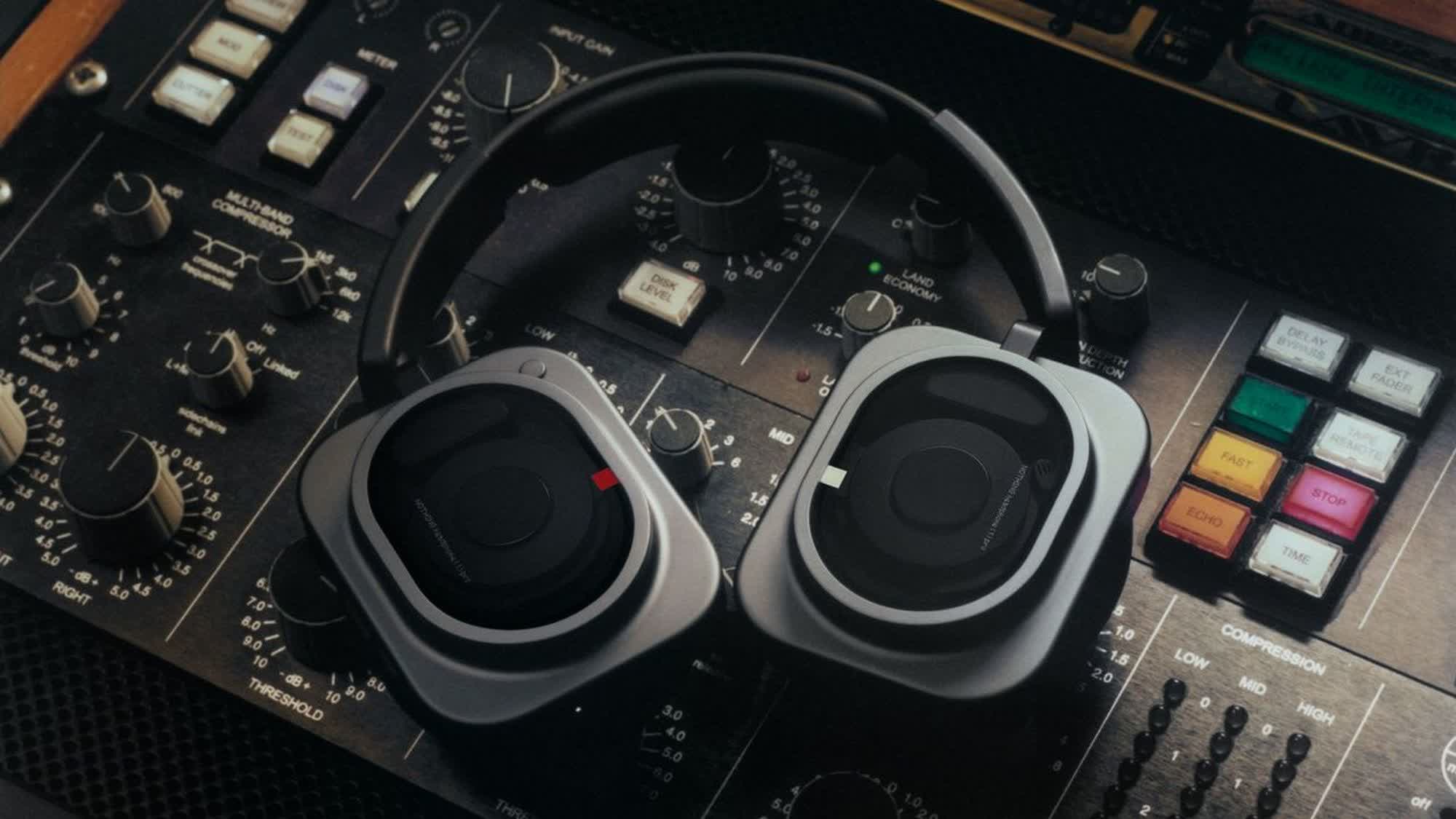
The new headset also adds Auracast functionality and can be used as an Auracast transmitter or receiver through the Nothing X app. Auracast is part of the Bluetooth LE Audio system, which allows one audio source to broadcast audio content to multiple compatible devices. Nothing believes that this feature can further enhance the applicability of flagship headphones in public audio and multi-device connection scenarios.
Active noise reduction is also the focus of this upgrade. Headphone (1) Pro is equipped with 10 microphones, which is a significant increase compared to the 6 microphones of the previous generation Headphone (1). Nothing uses more microphones to obtain surrounding environment sound information and further improves the adaptive active noise reduction algorithm.
Officially claimed that Headphone (1) Pro’s noise reduction capability can reduce environmental noise by up to 46 decibels, and is especially optimized for low-frequency continuous noise such as aircraft, air conditioning, and road traffic. In strong wind environments, the new noise reduction system can also more accurately identify and filter environmental noise.
In order to match the stronger noise reduction capability, Nothing also redesigned the earmuff structure. The new ear pads incorporate an 8 mm thick silicone sound-insulating structure to form a more complete acoustic barrier while improving the sealing between the ear cups and the ears, thereby improving noise reduction and low-frequency performance.
Headphone (1) Pro still retains Nothing’s highly recognizable transparent design. The exterior of the ear cups on both sides is made of 9H hardness Panda Glass, and part of the three-unit structure inside can be seen through the transparent panel. Nothing says the glass is shatter- and scratch-resistant and has been tested in multiple drops.
The main body of the headset uses a large amount of aluminum alloy and adds titanium material. Nothing redesigned the internal structure and used titanium support arms to replace the steel structure, so that the weight of the product is controlled at about 327 grams, which is slightly lighter than the previous generation product.
Wearing comfort has also been adjusted. The new product adopts a wider headband, increased internal padding thickness, and softer ear pads to reduce pressure on the head and ears when worn for long periods of time. The headphones are also IP52 dustproof and waterproof, which can handle a certain degree of dust and water droplets, but they are not suitable for long-term use in the rain.
In terms of battery life, Headphone (1) Pro can play continuously for up to about 30 hours when active noise reduction is turned on, and about 68 hours when ANC is turned off. Compared with the previous generation Headphone (1), which had a maximum battery life of 80 hours when noise reduction was turned off, although the new product added a lot of hardware and functions, the overall battery life has declined.
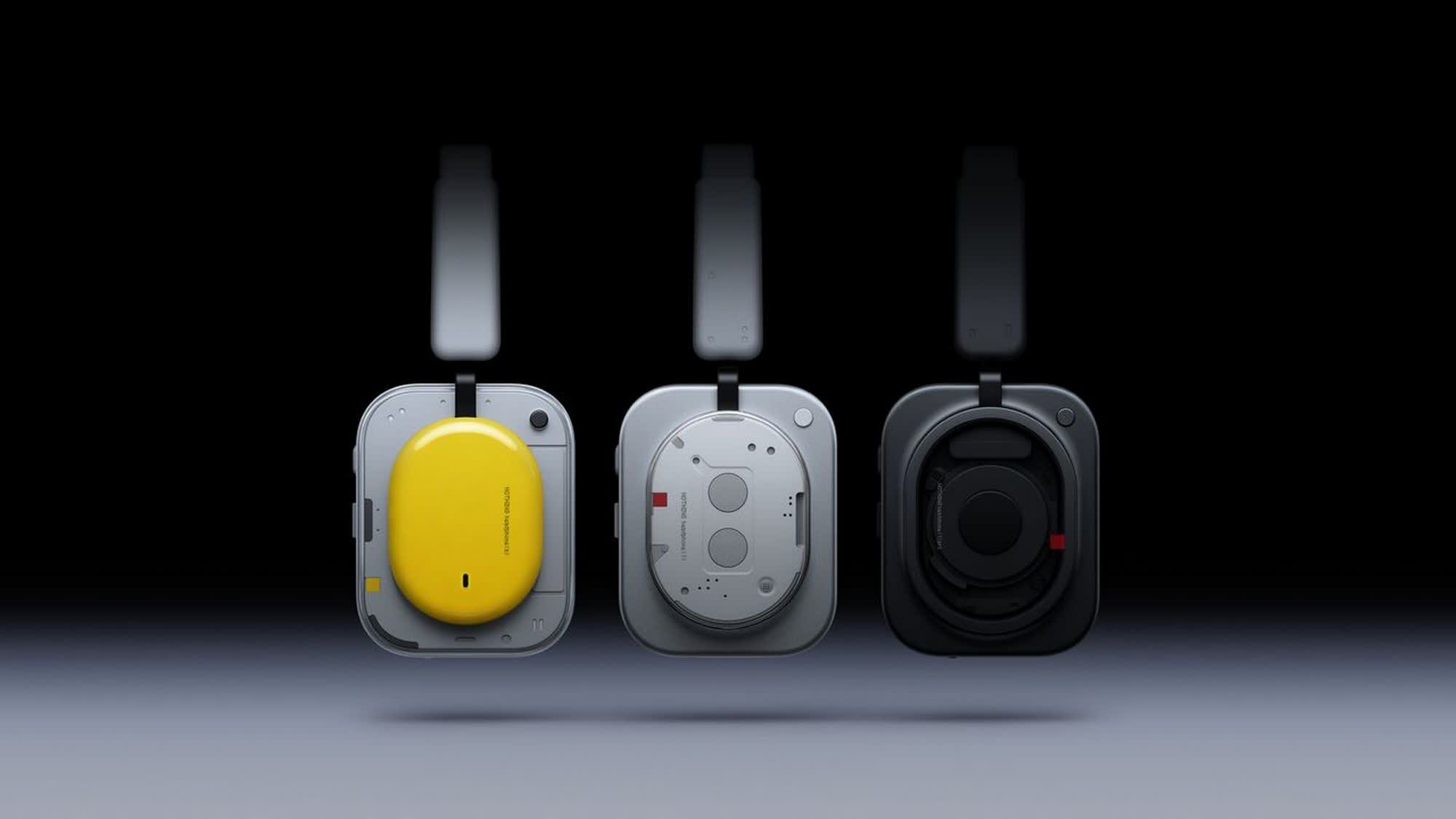
In terms of appearance design, Headphone (1) Pro still does not adopt a foldable structure, but is stored in a special protective box. The protective box adopts a design similar to the Apple AirPods Max protective case, mainly covering the earmuffs, while the headband part is exposed. Nothing adds a hard structure to improve protection during transportation.
In terms of product positioning, Nothing obviously hopes that Headphone (1) Pro will enter the traditional high-end active noise reduction headphone market and compete with products such as Sony WH-1000XM6, Bose QuietComfort Ultra and Apple AirPods Max. Compared with the previous generation Headphone (1), the price of the new product has increased by US$100, from US$299 to US$399.
Nothing stated that this increase in price is not just to add some "Pro" features, but to make Headphone (1) Pro cover both ordinary consumers and professional music users through a three-unit architecture, professional tuning, enhanced noise reduction and high-resolution audio.
For ordinary users, the three-unit structure can bring about a more detailed division of frequency bands, and enhanced active noise reduction can also be helpful in commuting, flying, etc.; for music producers, Flat EQ provides a choice that is closer to professional monitoring purposes.
Headphone (1) Pro will be officially launched on September 29, and will be sold in the United States and Canada through Nothing’s official website, Amazon and Best Buy, priced at US$399.
With the launch of Headphone (1) Pro, Nothing is gradually expanding from a consumer electronics brand known for its unique industrial design and transparent appearance to a complete ecosystem covering mobile phones, headphones and other smart devices. This direct challenge to Bose, Sony and Apple in the high-end headphone market also means that Nothing begins to pay more attention to the technical competition of the audio hardware itself, not just the appearance of the product.
Comments