
Abstract:
The legal counsel of San Diego County, California, sued Polymaker LLC, a 3D printing filament manufacturer, in San Diego County Superior Court on October 5, accusing it of intentionally promoting plastic filaments to the 3D printing gun community in order to profit from the manufacturing of "ghost guns" prohibited by California law. The case, filed jointly by the County Counsel's Office and the anti-gun violence group Giffords Law Center, is one of the first lawsuits filed by San Diego County's new Department of Consumer Equity and Public Protection. The lawsuit is still in the civil charge stage, and the court has not yet ruled that the conduct involved is illegal.
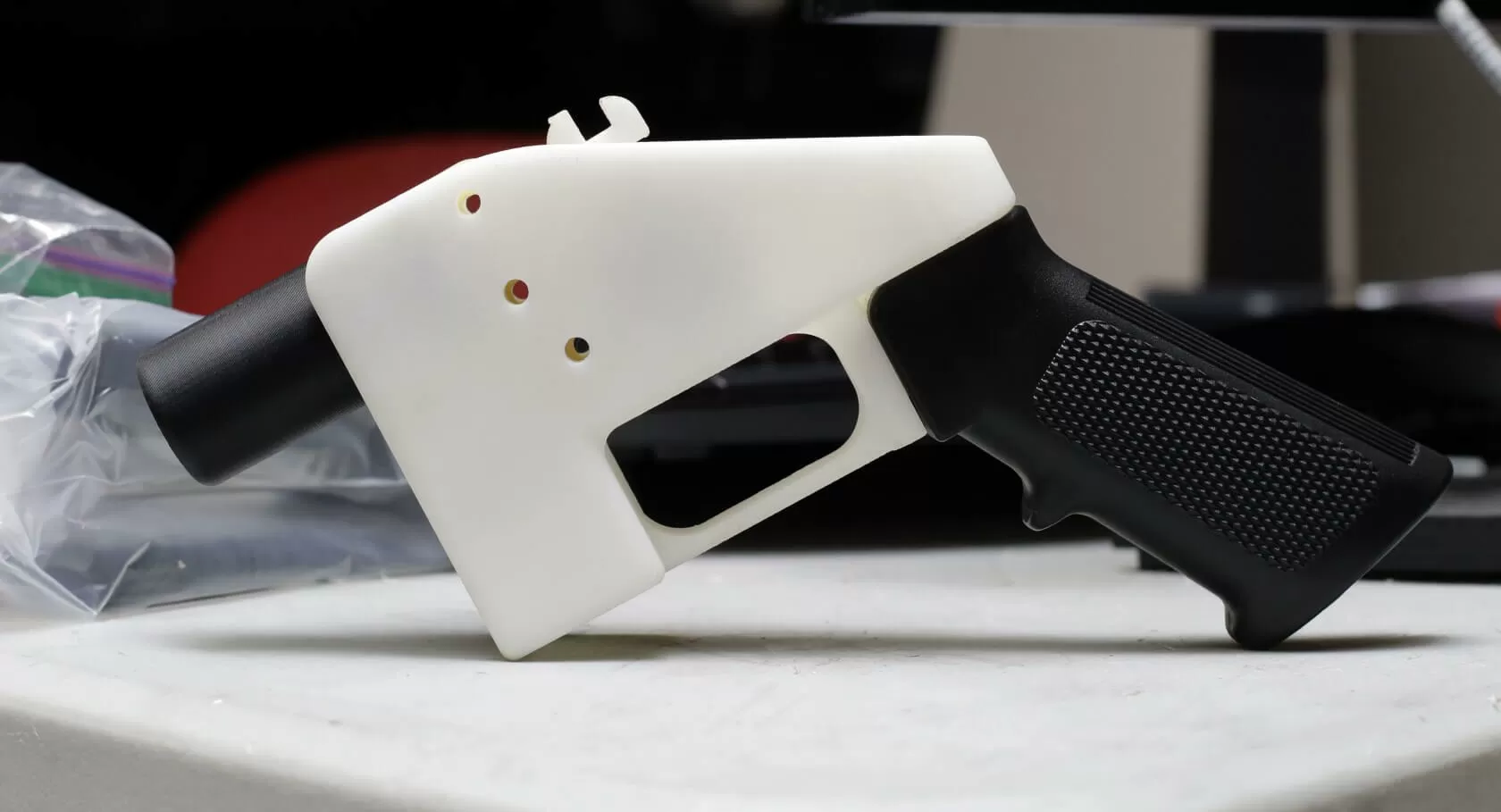
The case does not accuse Polymaker of directly manufacturing guns, nor does it require a complete ban on the sale of 3D printing filaments. The indictment acknowledges that plastic wire itself is a general consumable that can be used for a variety of purposes; the county contends that if the product is specifically promoted or sold and used to make the frame or receiver of a functional firearm, it may fall within the definition of "firearm precursor part" under California law. The county accused Polymaker of violating California's Unfair Competition Law and cited state law regarding the sale of firearm precursor parts. This legal definition covers items marketed or sold to the public intended to be manufactured into a usable firearm frame or receiver. The focus of the dispute is therefore not only how the wire may be used, but also how manufacturers design their products, promote them and reach consumers.
The indictment stated that Polymaker collaborated with online creator Sean Aranda to launch wire products with firearms culture logos and hired him as the head of customer experience; Aranda released 3D printed firearms content under the name "3D Print General". The county also alleges that Polymaker demonstrated product uses through firearm-themed images and promotional videos, paid promotion commissions to relevant creators and distributors, promoted filaments in the firearms printing community, and provided recommendations in the company's knowledge base on the glue needed to bond printed parts to machined metal parts. The county believes that these practices together show that the company is not just selling general materials, but is actively developing related market segments. The indictment also mentioned that Polymaker used slogans such as "Come and make it" and launched products in specific colors and designs.
The county's complaint also stated that this spring, San Diego police found Polymaker filaments and 3D printed firearms and parts in the home workshop of a 16-year-old suspected of planning to carry out a school attack; police believed these items may be for sale. This plot is a litigation claim used by the county to illustrate the impact of the problem, and does not mean that the court has found Polymaker responsible for the relevant cases.
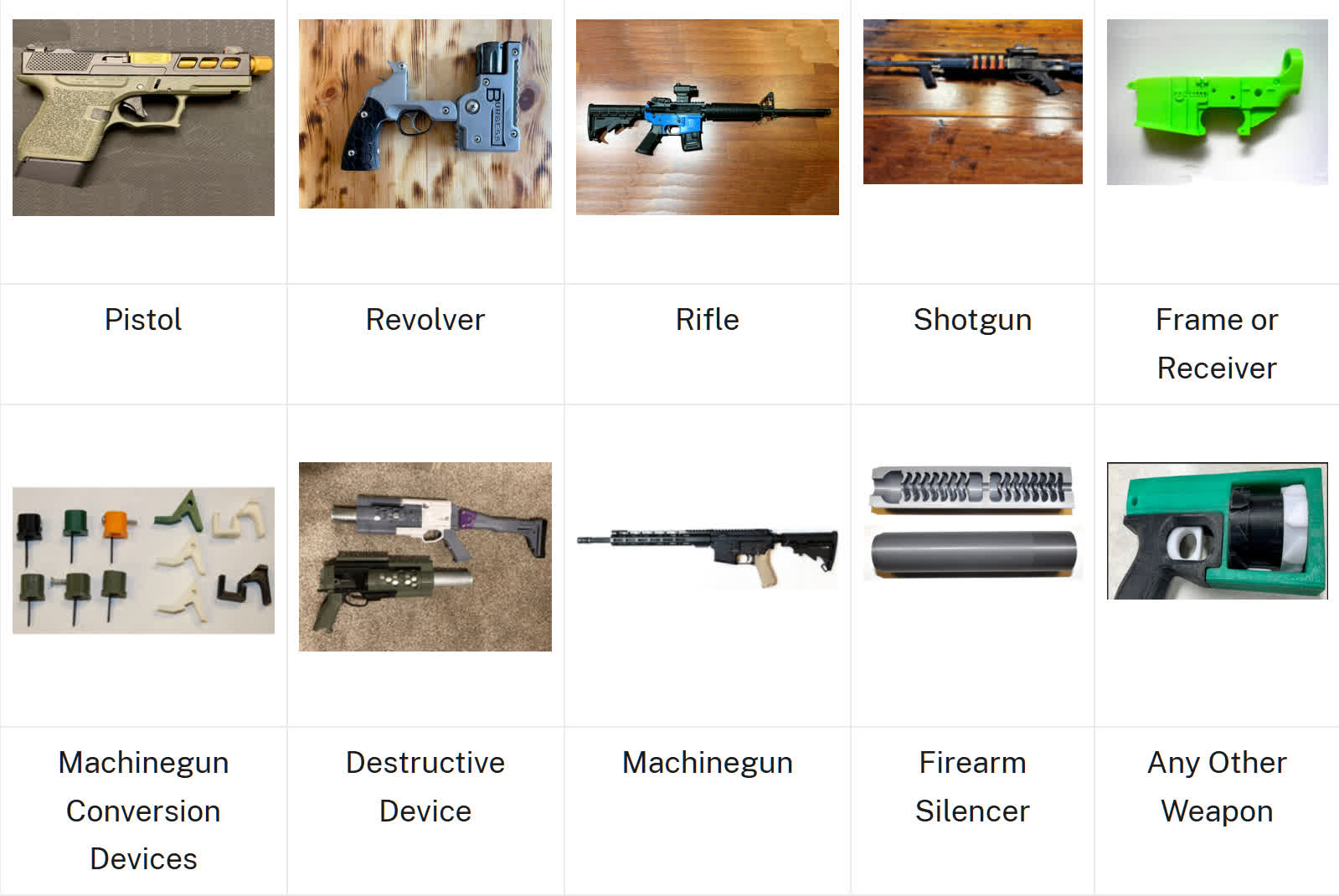
The county requested the court to prohibit it from continuing the alleged illegal marketing and sales practices, recover related income, and seek a civil penalty of up to $2,500 for each violation in accordance with California law. The indictment claims that each day that California audiences are exposed to relevant publicity can constitute a violation; the amount of fines and recovery must ultimately be determined by the court. San Diego County and media reports said Polymaker had not responded to requests for comment as of press time.
The lawsuit comes as California is also advancing other measures targeting 3D printed firearms. Governor Newsom signed the AB 2047 bill on September 26, which stipulates that if the American Society for Testing and Materials (ASTM) publishes a feasible industry standard for gun blocking technology, the California Department of Justice will set minimum performance requirements for printers accordingly, and 3D printers sold in California in the future may be required to be equipped with corresponding technology; the implementation of the bill depends on industry standards and subsequent regulatory guidelines. Different from this conditional regulation targeting the printer itself, the Polymaker case targets consumables manufacturers who are accused of using firearms for targeted marketing. The two are different legal approaches.
Comments