
Abstract:
Future clothes will not only grow with the body, but even heal themselves like skin after being torn. A joint team composed of researchers from Newcastle University and Northumbria University in the UK has successfully developed a programmable "living engineering material" based on fungal mycelium, opening up a new path for the green revolution of the fashion and textile industries.
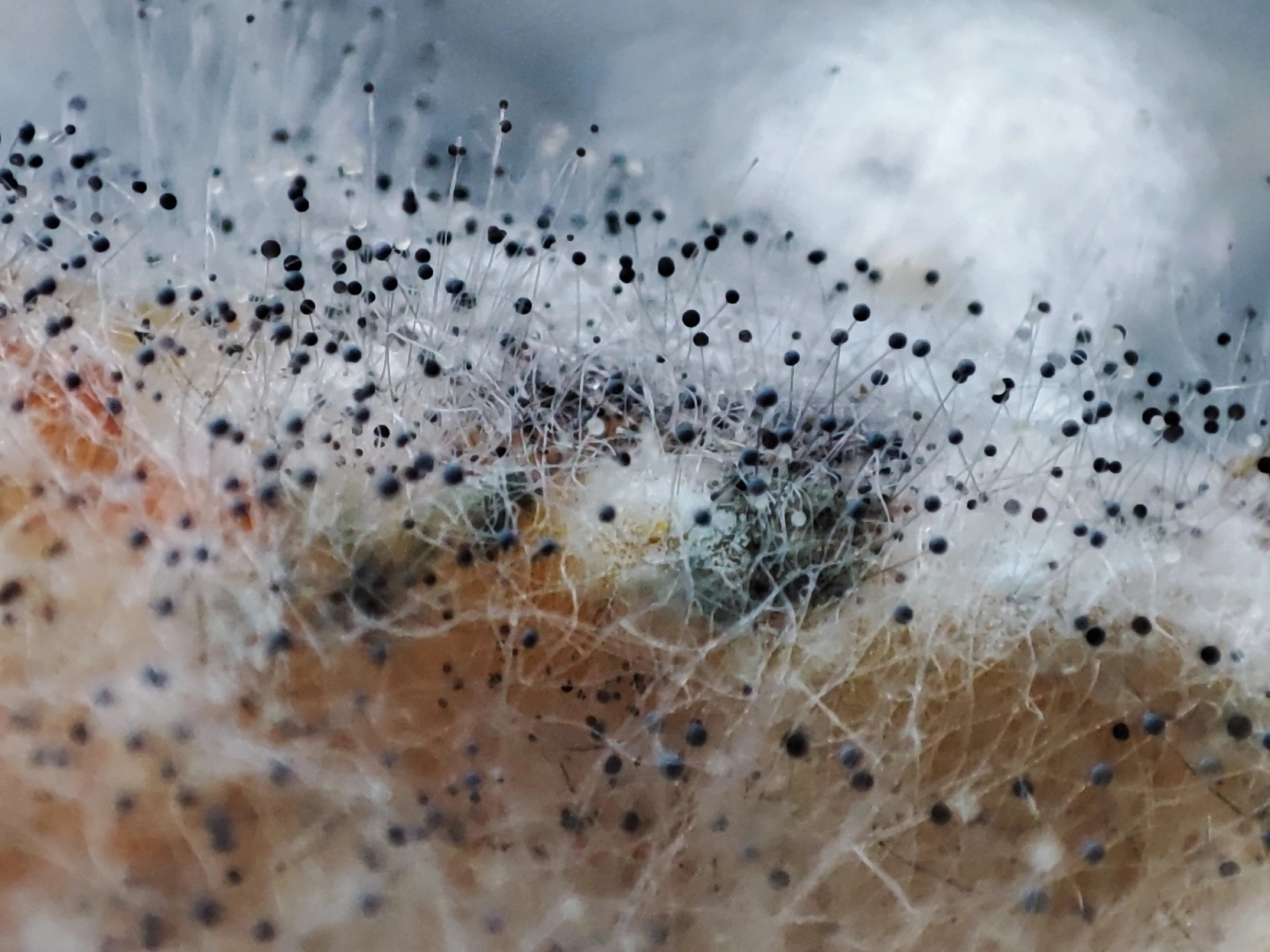
In nature, fungi mostly live underground and rely on mycelium, a spreading filamentous network, to absorb nutrients. Previous research on using mycelium to make leather-like substitutes is not uncommon, but traditional processing techniques usually completely inactivate the fungal cells and make them lose their biological activity. This latest breakthrough, published in the journal "Advanced Functional Materials", successfully retained the activity of mycelial cells and created a veritable "living textile".
The research team used the mycelium film formed when filamentous fungi grow in liquid culture medium as the raw material. To give loose and fragile natural films the strength and flexibility needed for textiles, scientists introduced a liquid support matrix composed of natural polymers, glycerin and specific nutrients. This formula not only gives the material excellent ductility like a plastic plasticizer, but also retains the nutrients needed for the long-term survival of the mycelium. Tests have shown that while maintaining activity, the treated mycelium film has excellent toughness and load-bearing capacity, enough to withstand conventional cutting and folding.
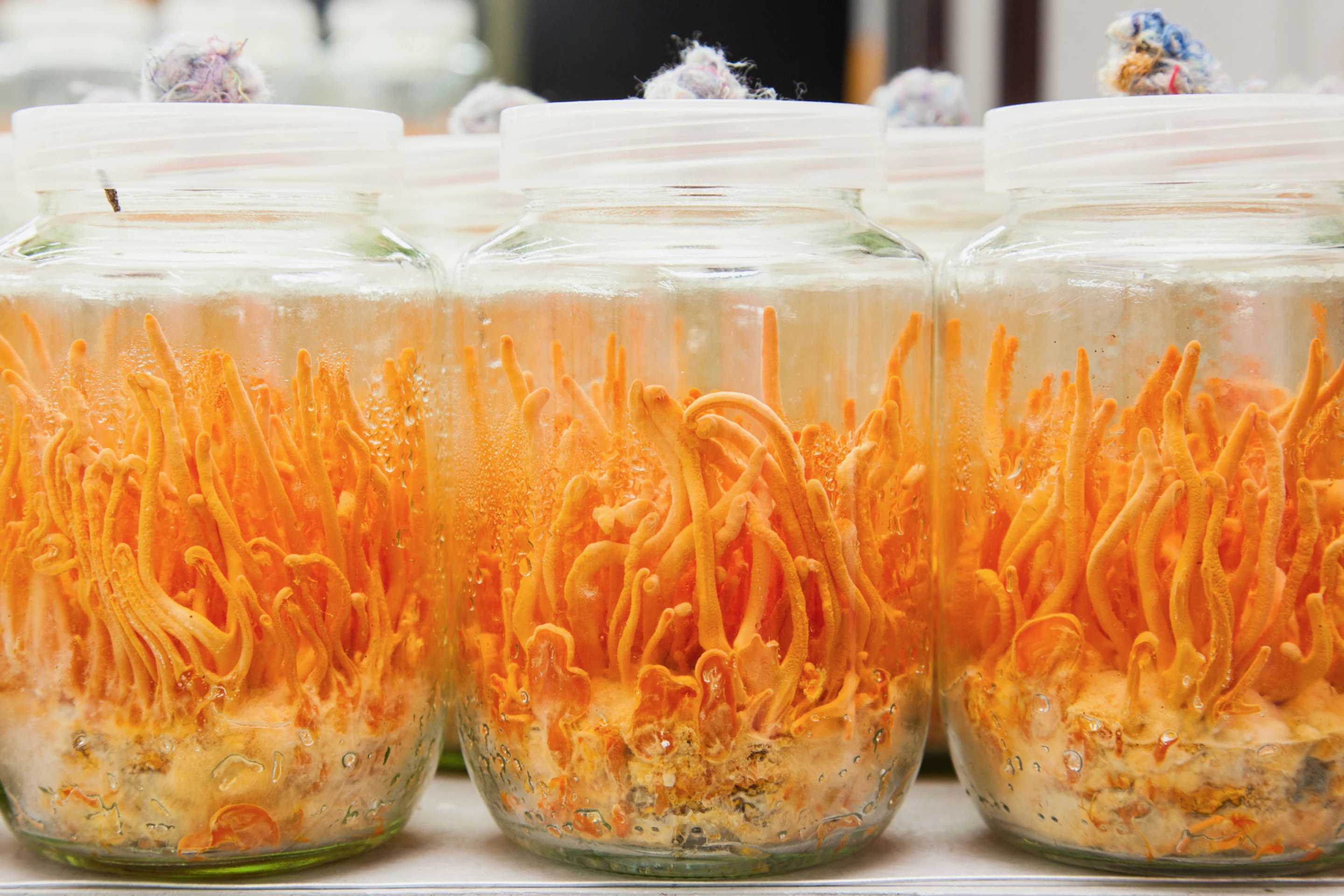
The most striking quality of this living material is its amazing "self-healing" ability. In experiments simulating breakage, the researchers cut a wound in the mycelial fabric and then dripped micronutrient solution onto its surface. Under a mild growth environment, dormant fungal cells are quickly reawakened, and new mycelium networks grow at an alarming rate at the edges of the damage. In just a few days, the hyphae at the wound site are tightly intertwined and fused, allowing the fabric to completely return to its original shape. After tensile testing, the mechanical strength of the healed damaged area is almost exactly the same as the original undamaged state.
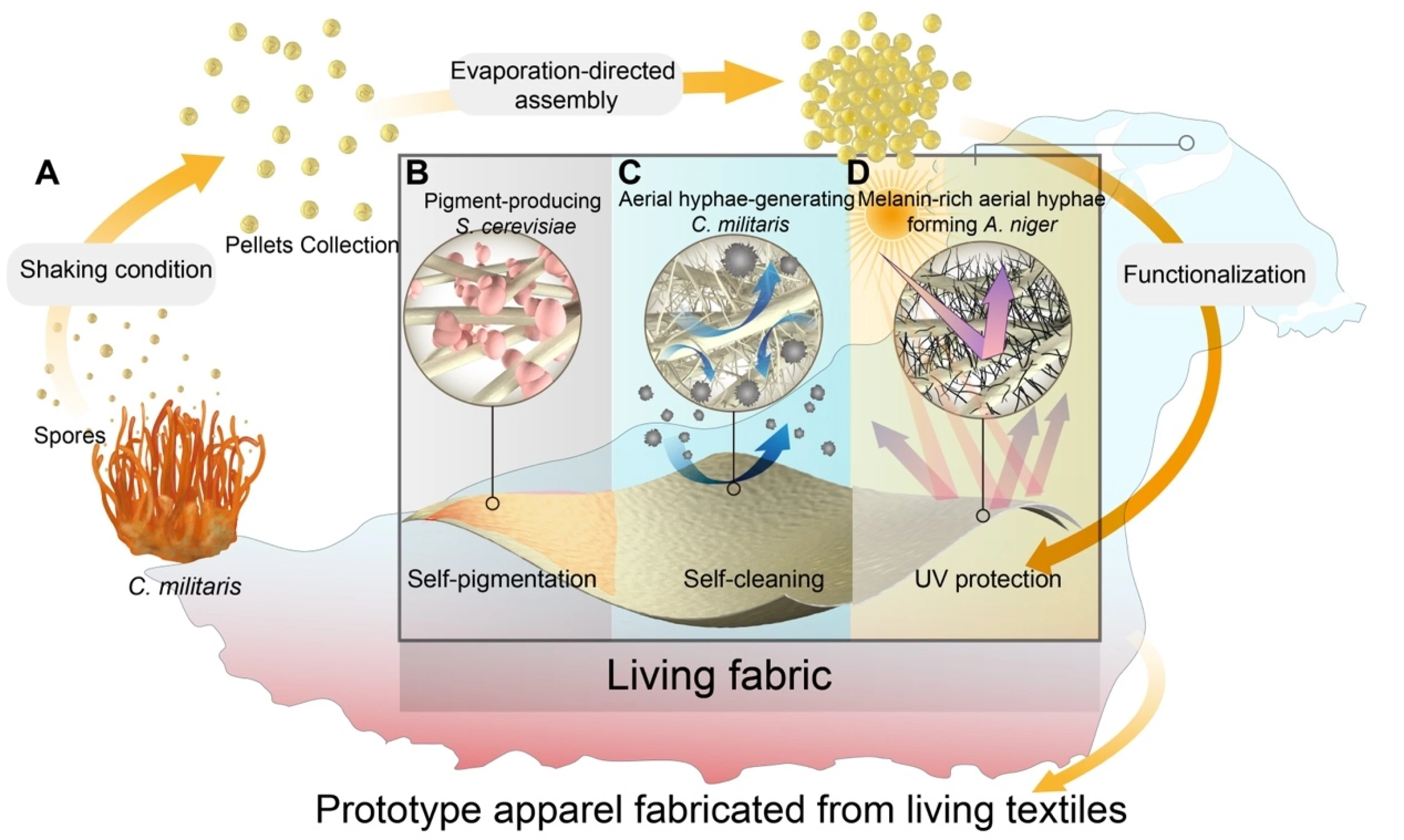
In addition to self-healing, the material is also highly environmentally friendly and "programmable." Researchers pointed out that in a daily dry and clean wearing environment, fungi will naturally remain dormant; once repair needs to be triggered, just provide an appropriate amount of water and nutrients. More importantly, after the clothing is finally discarded, it will not produce microplastic pollution like traditional synthetic fibers. Instead, it will be completely degraded as pure natural biomass in the soil environment in just a few weeks and return to the ecological cycle.

The research team said this technology opens the door to functional smart clothing in the future. In the future, not only can fungi be genetically engineered to produce specific biological responses to external stimuli such as light, temperature, or sweat, but they can also be widely used in cutting-edge fields such as medical dressings, self-healing interior soft bags, and even automobile interiors, allowing "living, breathing, and self-healing" materials to truly integrate into human life.
Comments