
Abstract:
SpaceX achieved a major breakthrough in the Starship project on November 14, local time: for the first time, the company successfully used the robotic arm on the launch tower to capture the upper-stage Starship spacecraft returning to Earth from the air. This mechanical capture system, called "Chopsticks", is installed on SpaceX's Starbase launch tower in Boca Chica, Texas, and is also a key component of the entire rocket's complete reuse plan.
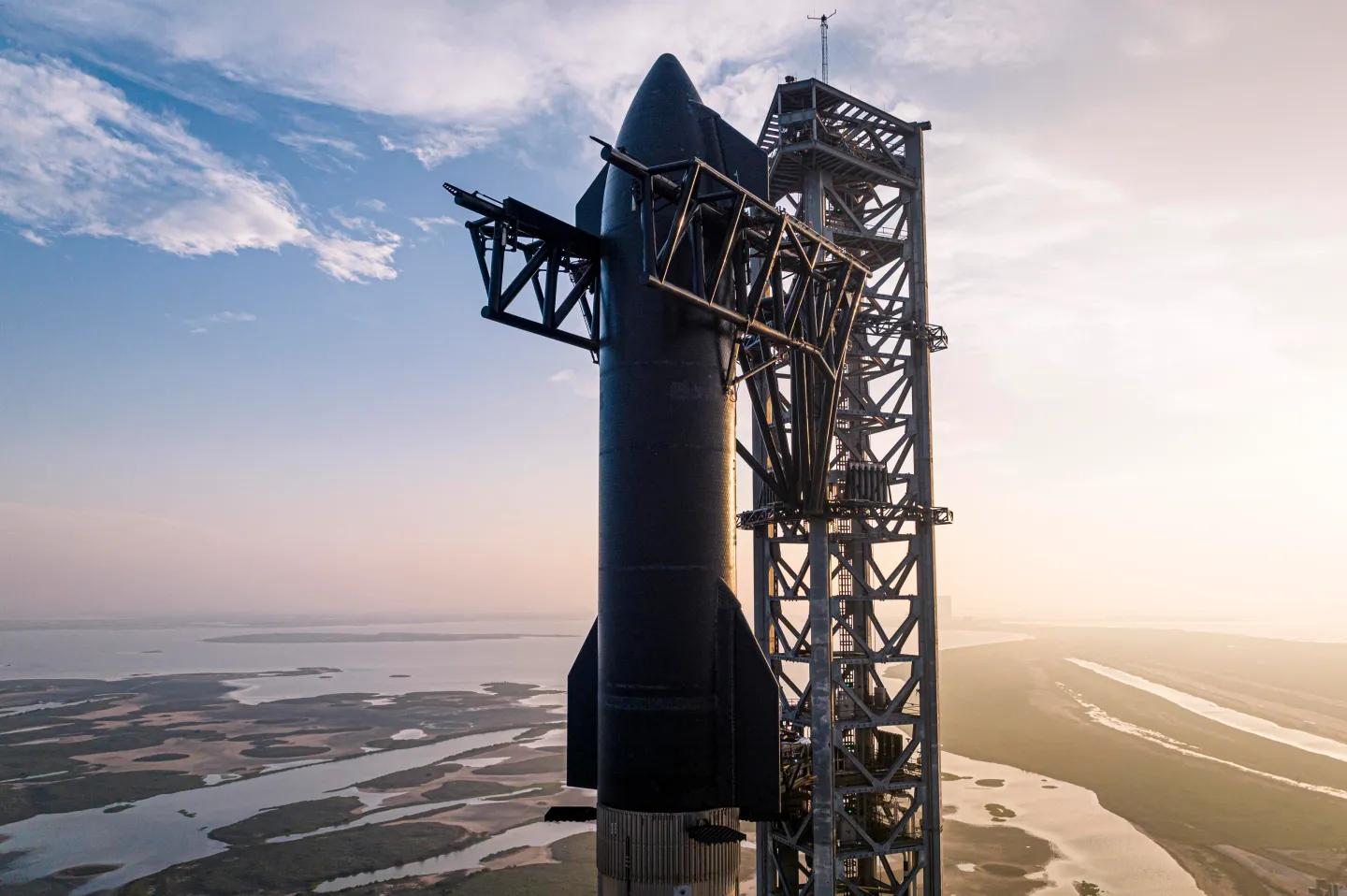
The capture occurred during the Starship's 15th test flight (Flight 15). SpaceX has used this robotic arm to successfully capture the Super Heavy booster (Super Heavy) many times before, but this is the first time it has successfully captured the Starship spacecraft itself, which is larger, flies faster, and has a more complex return trajectory.
According to the original plan, SpaceX hopes to achieve an unprecedented double recovery in this mission: after the rocket is launched, it will first capture the returned super-heavy booster within a few minutes, and then about 22.5 hours later, capture the starship upper stage that has completed its mission around the Earth and returned. If both operations are successful, it means that SpaceX has fully demonstrated the dual-stage recovery capability of the entire Starship launch system for the first time.
However, the mission did not go exactly as planned. On November 13, after the starship was launched from the interstellar base, the super-heavy booster triggered an abnormal situation during its return and automatically canceled the original robotic arm capture procedure. It then turned to the Gulf of Mexico for a controlled splashdown in accordance with the predetermined safety plan, and eventually exploded.
A SpaceX spokesperson later explained that a preliminary investigation showed that the booster may have ended its return ignition early due to low fuel remaining during the return flight. The flight control system detected that the booster was not in a suitable position for capture and automatically aborted the landing procedure and directed it to the intended splashdown at sea
Comments