
Abstract:
According to Reuters, humanoid robots working on factory floors, AI models challenging global rivals, and electric vehicle factories producing cars on an astonishing scale are attracting a new wave of foreign visitors to China. Global investors and entrepreneurs are spending thousands of dollars for rare access to Chinese factories, hoping to witness up close what many believe may be the next technological revolution. This wave of visitors reflects the possibility that Western business executives and government departments are facing the possibility that Chinese companies are gaining leadership in advanced manufacturing and cutting-edge technology.
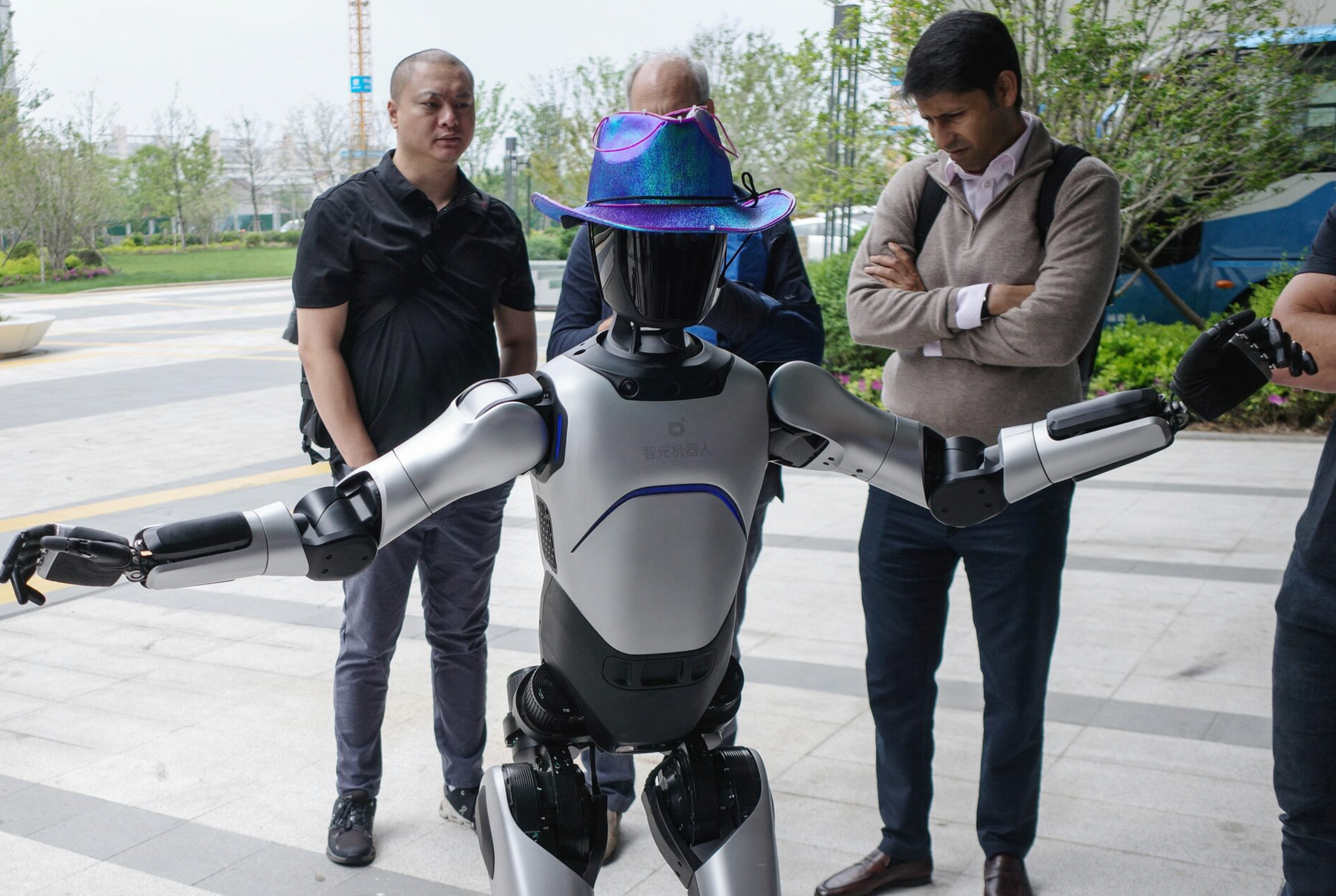
Foreign investors interact with Zhiyuan Robot
“Today, people are beginning to regard China as an object of research and study, a trend that almost did not exist a few years ago.” said Robert Wu, CEO of Baiguan Technology, a Shanghai-based data research company.
So far, Wu Mianqing has organized two groups of inspection groups and received more than 20 investors, entrepreneurs and executives. The five-day trip charges are as high as 15,000 US dollars (approximately 100,000 yuan). About half of the participants were from Southeast Asia.
He belongs to a growing "small specialty industry": one that specifically meets the needs of foreigners who want to get in touch with China's innovative ecology.
Many visitors are reluctant to disclose their trip to China. According to known information, those who have participated in such inspections include American investment companies Dimension, Capital Group and Thrive Capital, as well as American technology podcast host Lex Fridman.
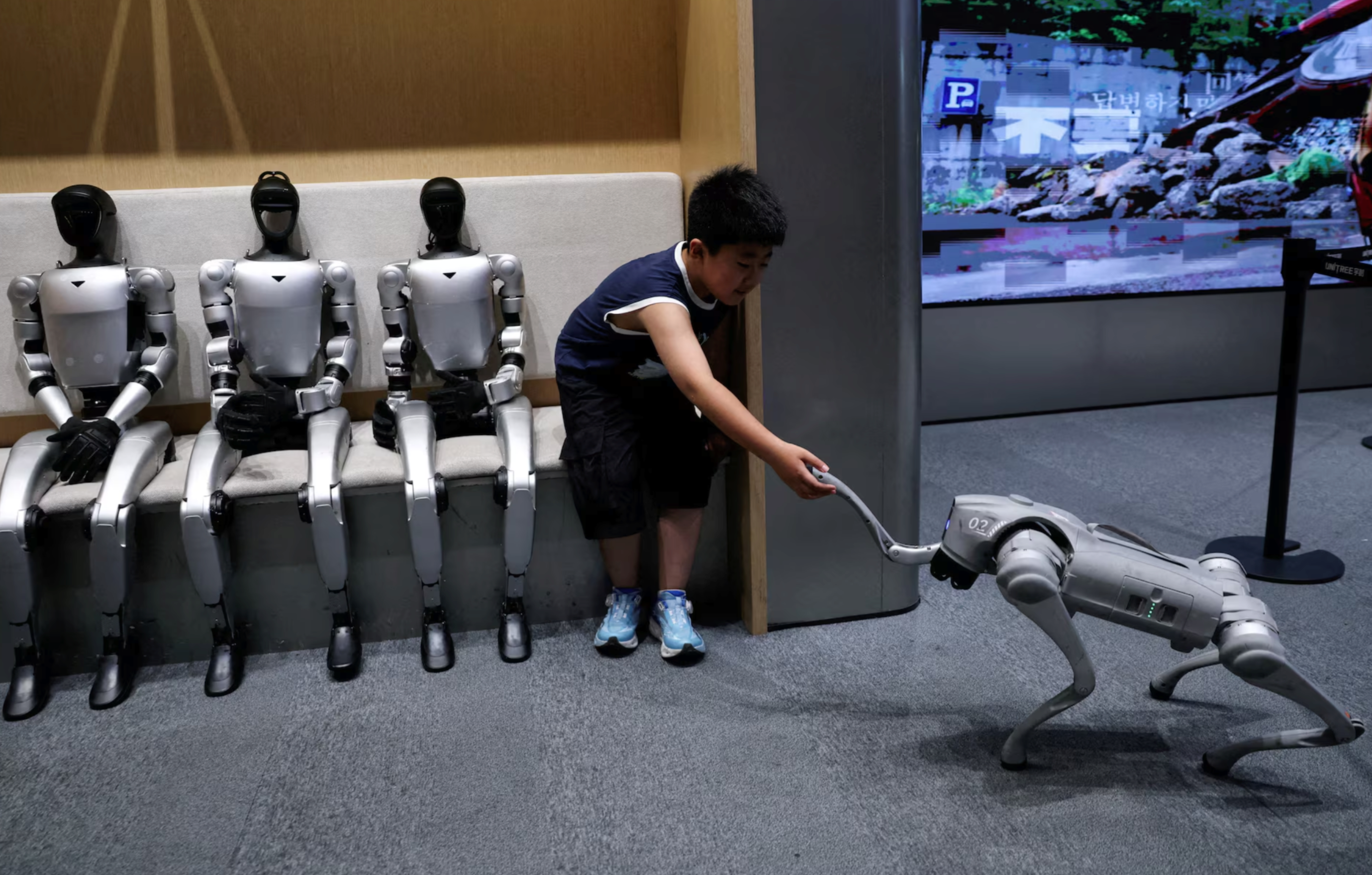
Ushu Technology Robot Dog Go2
Although current data on science and technology study tours is very limited, overall industrial tourism is booming. China's industrial tourism generated US$17.8 billion in revenue last year and is expected to exceed 300 billion yuan (approximately US$44.6 billion) by 2029, according to state media reports.
GloPen, a Shanghai-based technology inspection agency, said that the number of inquiries in 2026 will increase by 50%, with customers mainly from Europe and Singapore, and it currently organizes more than 100 single-day corporate visits per month.
“You can’t truly understand the scale, speed and true impact of China’s innovation without standing on the factory floor,” said Bertrand Chen, CEO of Global Shipping Business Network. In April this year, he participated in a robotics and emerging technology study tour covering three cities organized by Chinese-American investor Rui Ma.
Ma Rui is the founder of the "Tech Buzz China" podcast and has organized 11 such study tours since 2019. She defines this work as necessary due diligence: "Even if you are not actively investing in China now, you are increasingly likely to encounter Chinese companies in the global market, whether they are competitors, partners, suppliers, or investment targets."
The inspection route she organized covers Beijing, Shenzhen, Shanghai, Hangzhou and Hefei. These industrial towns are the core areas where China's electric vehicles, batteries, AI and robotics industries are booming.
World leaders also visited Xiaomi's car factory in Beijing. German Chancellor Mertz was previously photographed watching a humanoid robot from Yushu Technology dancing in Hangzhou, which became a high-profile display of China's technological rise.
Worried about being left behind
None of this happened by accident. China has made a clear commitment to "vigorously promote" industrial tourism and has identified more than 140 official demonstration sites. More and more factories are opening up to the public for tours, with tickets usually costing about $60.
Since March 2024, Xiaomi Automobile Factory has received more than 250,000 visitors. Due to the strong demand, the visiting places obtained through the lottery are even resold online, with prices up to 2,000 yuan (about 300 US dollars).
For European business executives who are facing sluggish productivity growth and are worried about falling behind in the fields of AI and robotics, China has become a particularly important inspection destination.
Alex Shengyun Lu (transliteration), an AI consultant at Shanghai consulting firm Praxis Advisory, has led seven groups of inspection groups since the end of 2025, each with up to 50 corporate visitors.
He pointed out that members of the inspection team were a little uneasy. "The smartest people in Europe are very aware of the current situation. The insecurity is palpable," he said.
Lu Shengyun said that foreign business executives usually come to China with two questions: what can they learn from Chinese companies, and what are the China-backed technology investment models worth learning from.
"They came here with a sincere attitude of humility and learning." He said.
Lu Shengyun refused to disclose the name of the company due to a confidentiality agreement. He said that many European executives want to know how China coordinates large-scale AI deployment at the provincial level and what experiences can be brought back to their countries for reference.
At present, the influx of technological "pilgrims" into China is still strong, including American visitors. “The people who are really working on the front lines to build physical products don’t care about politics,” said Joshua Woodard, a U.S. manufacturing consultant based in Shenzhen.
Shenzhen time
No city embodies this trend better than Shenzhen. The southern technology hub is positioning itself as a showcase for Chinese innovation and will host the Asia-Pacific Economic Cooperation meeting in November.
Last year, the number of foreign tourists received by Shenzhen increased by 70%, and in the first quarter of this year, it increased by more than 30%. As of August this year, more than 5 million people have entered Shenzhen this year.
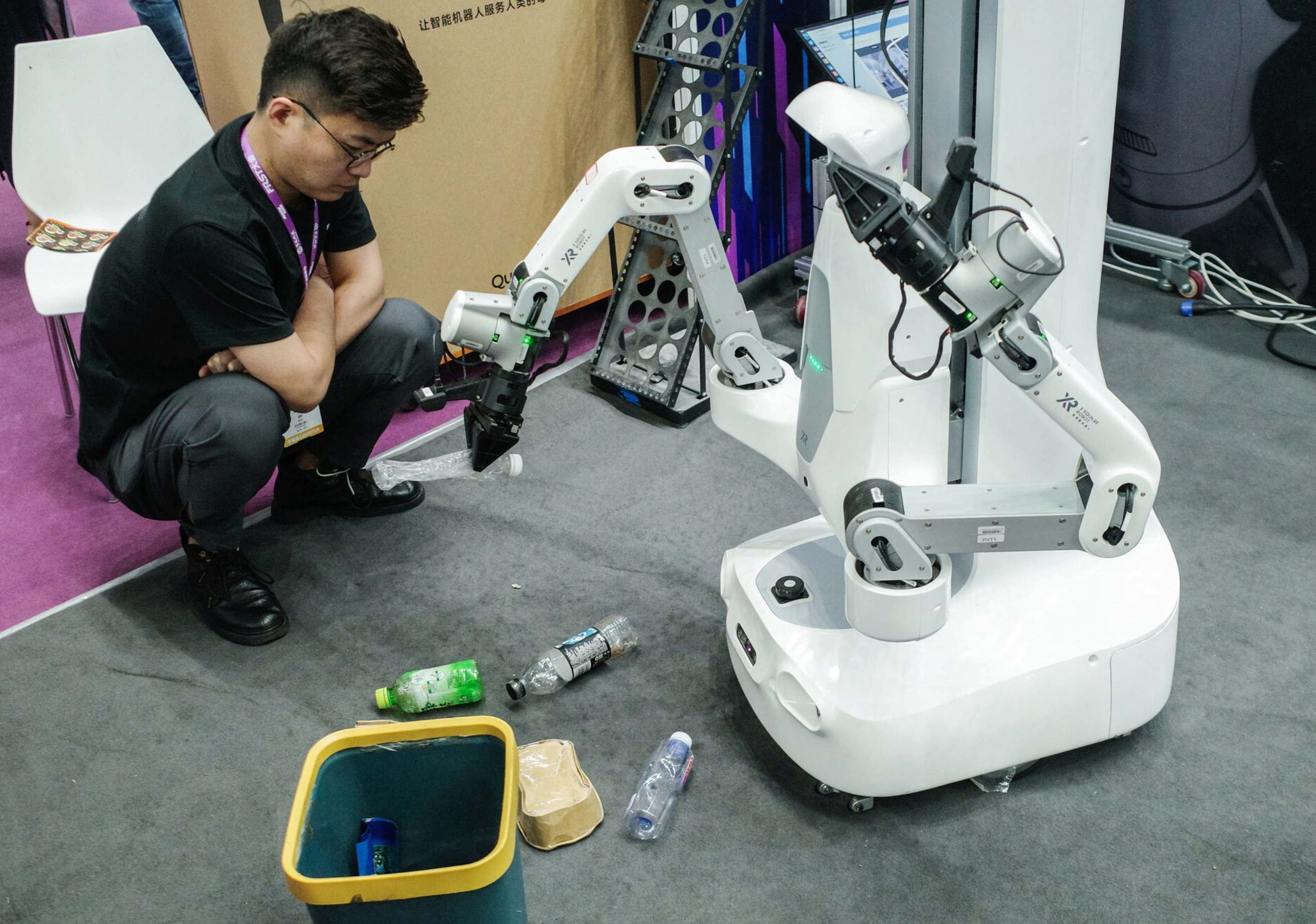
Shenzhen holds FAIR Plus Robot Industry Link Conference
Shenzhen taxis are now equipped with English voice broadcasts, and foreign internet celebrities frequently appear at technology exhibitions. According to Woodard, local companies are even building Silicon Valley-style "hacker homes" for foreign robotics and AI hardware entrepreneurs to live and work.
“There is now a WeChat group of 400 people, and members shuttle back and forth between Silicon Valley and Shenzhen, easily crowdsourcing to find battery or display factories,” Woodard said. In his spare time, he also organizes factory tours in Shenzhen for foreign entrepreneurs.
“Entrepreneurs took advantage of the 10-day visa-free entry policy and came here directly... just to find out which factory can help them manufacture the next generation prototype product.” Woodard said.
The influx of people underscores Shenzhen's ongoing transformation from a low-cost manufacturing hub to one at the forefront of China's battle for technological leadership.
Jan Smejkal, a Czech entrepreneur who has lived in Shenzhen for 11 years, said that he receives requests for visits from founders of foreign startup companies almost every day.
“There is no other place in the world that puts technology at the core and integrates it so deeply into daily life like Shenzhen.” He said.
Comments