
Abstract:
An international collaborative study that lasted about 20 years showed that the speed of sediment accumulation on the seabed is the most important factor in determining whether biological remains of different ages will be mixed in the same fossil layer. Researchers believe that this discovery will help paleontologists more accurately determine the time range represented by a fossil group and improve the ability to reconstruct ancient ecosystems.
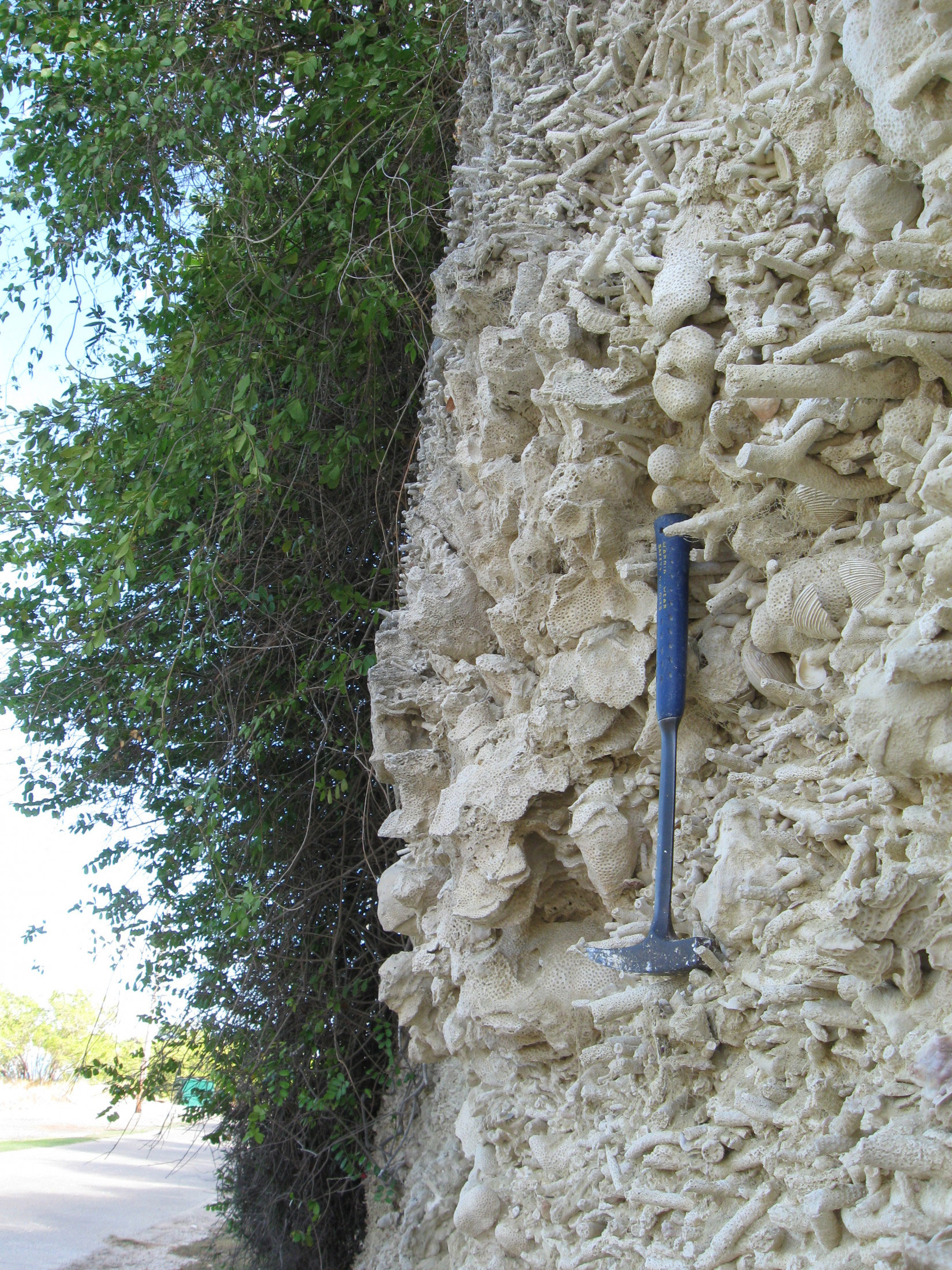
Fossils in the same layer of marine sediments often look like they come from the same ancient community, but in fact, the organisms preserved side by side may be hundreds or even thousands of years apart. This phenomenon of mixing remains of different ages in the same stratum is called "time averaging."
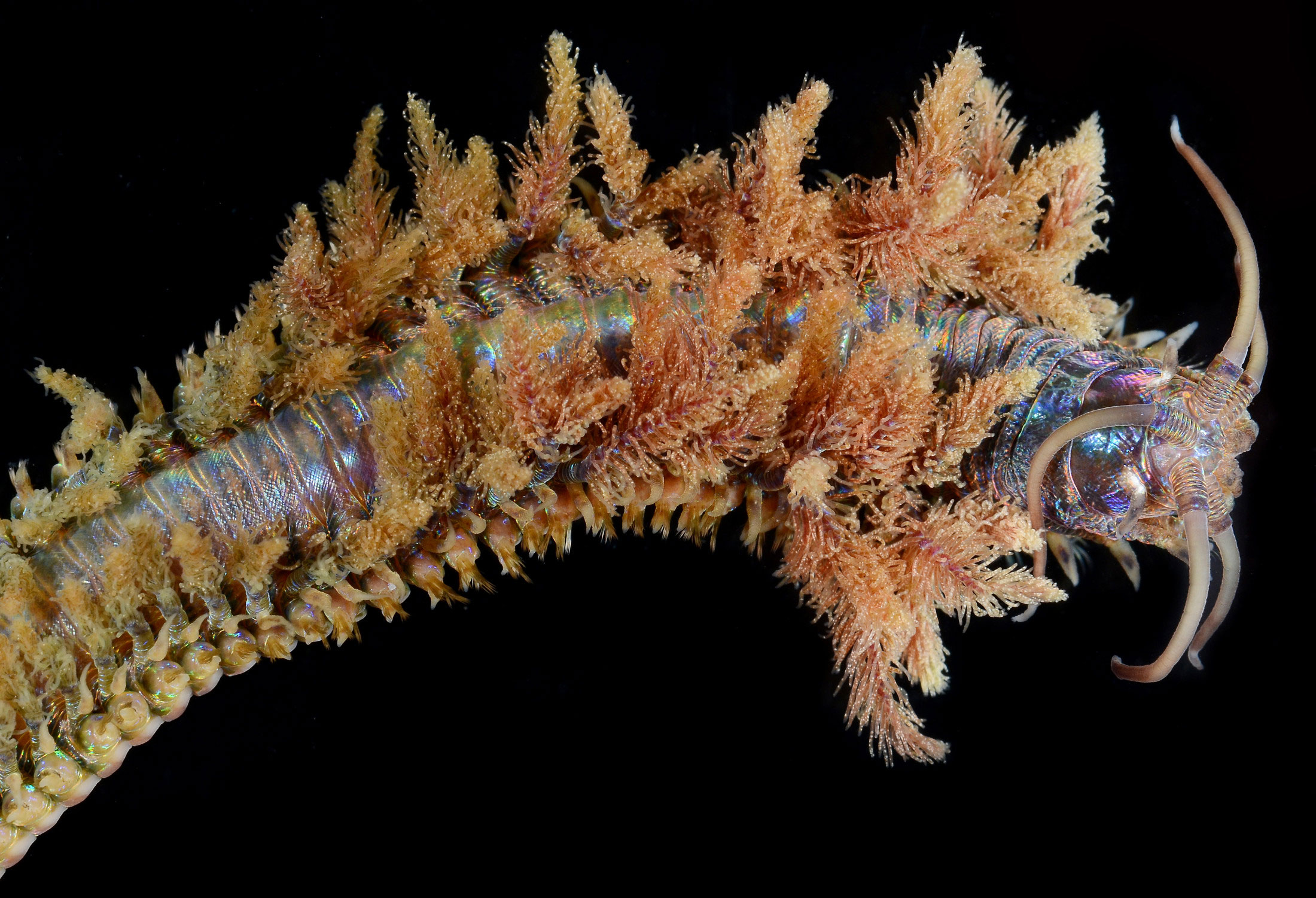
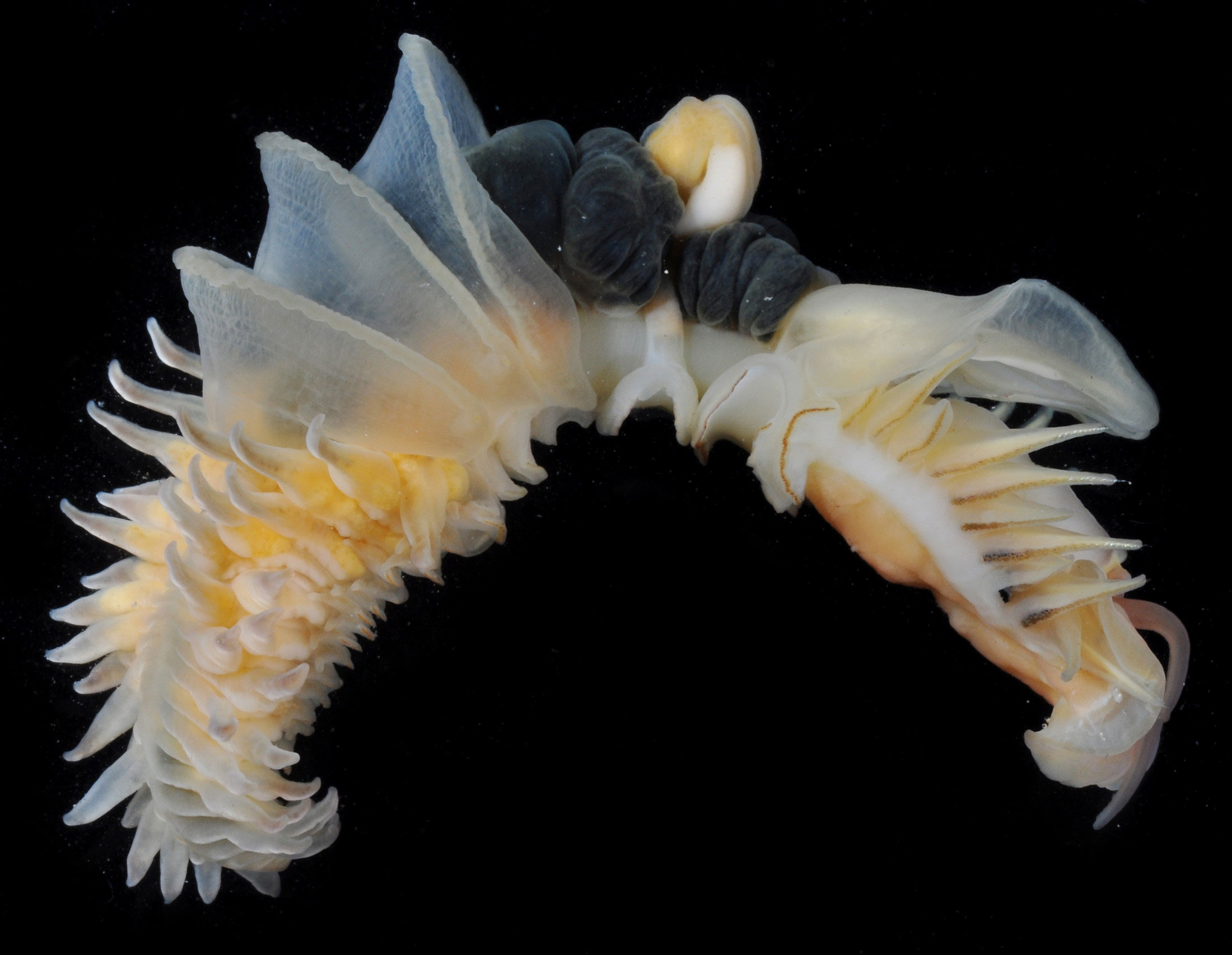
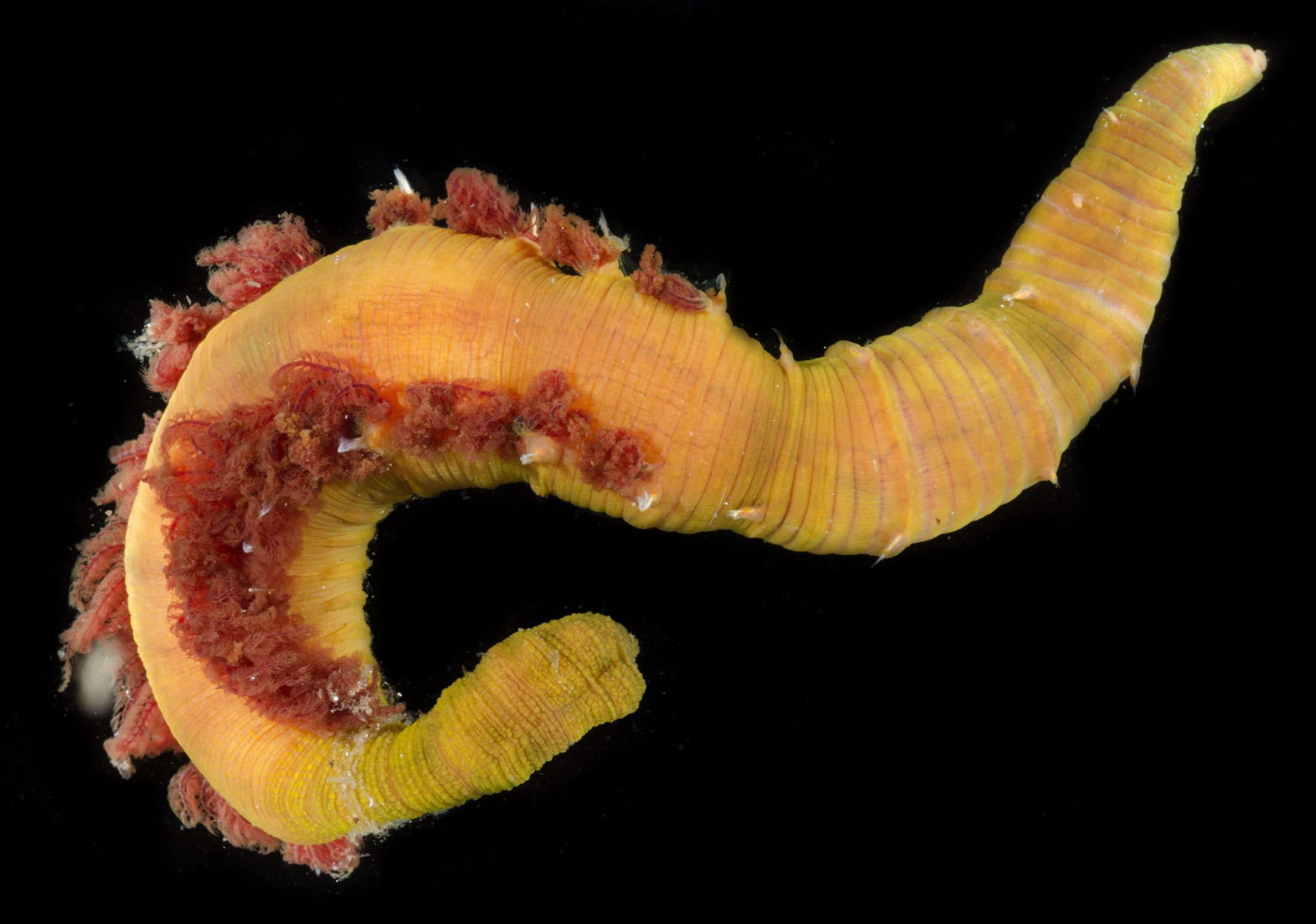
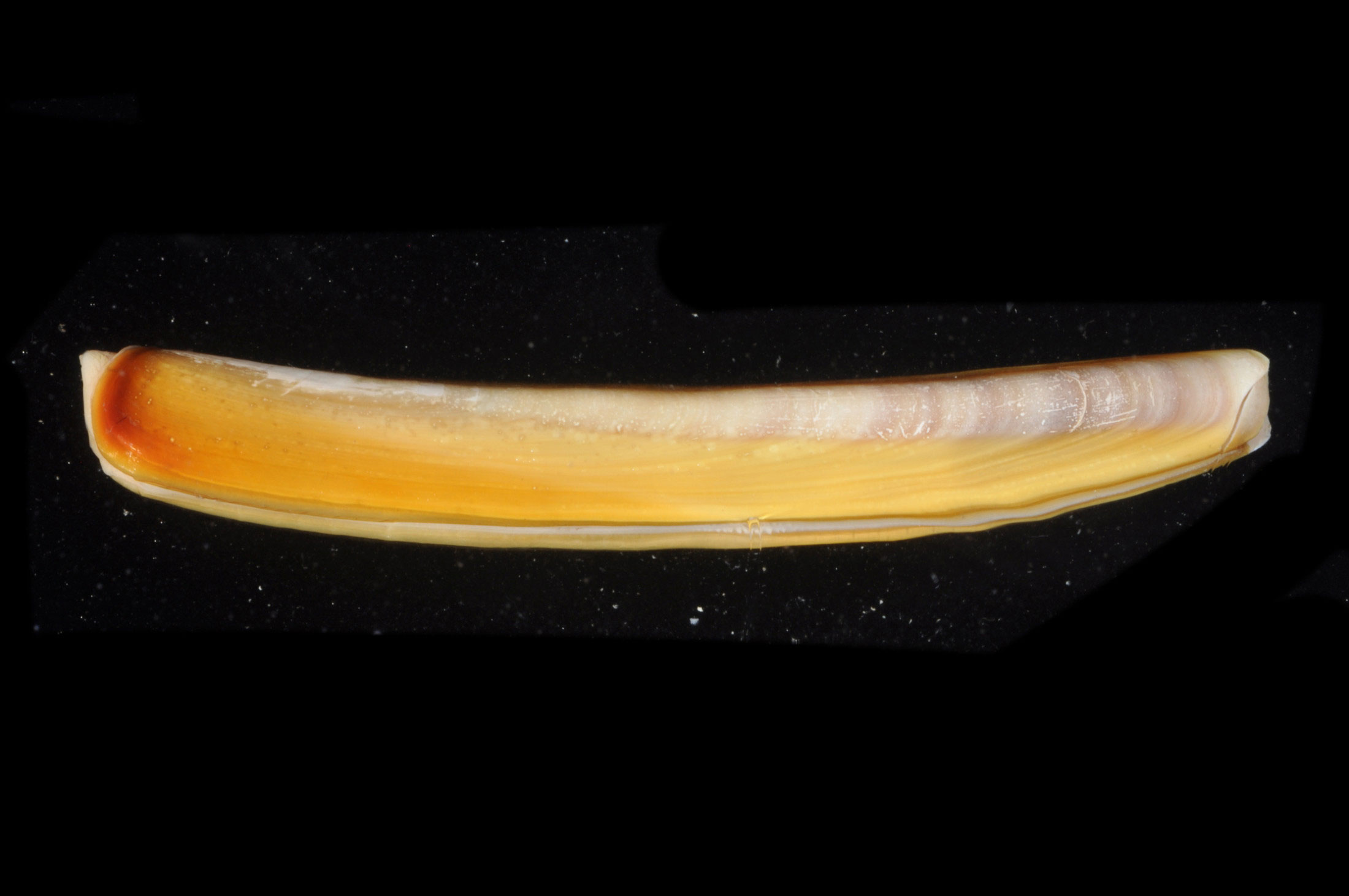
Temporal averaging usually occurs on the seafloor where biological activity is strong. Clams, shrimp, starfish, sand dollars, snails, worms and other animals constantly dig channels in the sediment, disturbing the seafloor and repeatedly moving shells and other skeletal remains. When sediments eventually buried and preserved these remains, the remains of organisms from different generations could be concentrated in the same fossil layer.
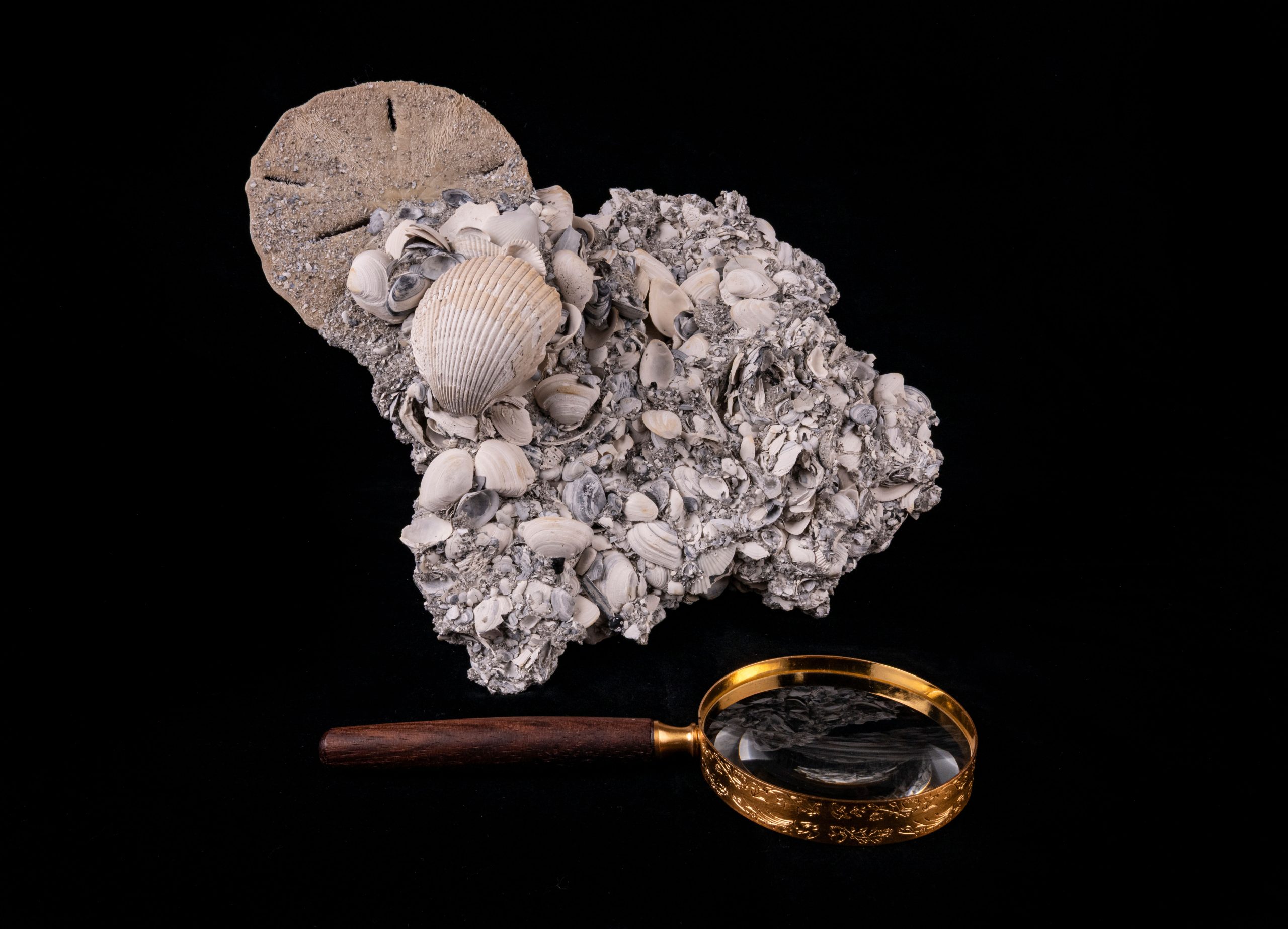
There are also various factors that influence this mixing during fossil formation. Whether biological remains can be preserved depends on whether their structure is strong and whether they can be buried in time. Most organisms decay or are eaten by scavengers before they fossilize, so the living fossil record consists mainly of hard tissues like shells and bones. Biological productivity also has an impact, because the more organisms that lived in an area in the past, the more remains that were ultimately able to form and leave fossils.
However, researchers have long suspected that the rate at which sediment accumulates may be the key to controlling the degree of time averaging. Sediments accumulate quickly in environments such as deltas, so remains can be buried quickly, and remains from different ages are less likely to be mixed together. In areas where sedimentation is slow, remains from different periods may continue to accumulate and are eventually preserved together.
To test the relative role of these factors, research teams from Australia, Austria, the Bahamas, Brazil, Germany, Italy, Slovakia and the United States pooled their respective research results completed over the past 20 years or so and analyzed more than 7,500 fossils collected from different marine environments around the world. The samples cover areas ranging from shallow sea coasts to continental shelf edges and are dated using methods such as radiocarbon dating.
The research team focused on the use of radiocarbon dating technology. Carbon-14 decays at a relatively steady rate over time, with a half-life of about 5,730 years, so the age can be estimated by measuring the amount of carbon-14 remaining in a sample. Because carbon-14 becomes too low to reliably detect over time, this method is mainly suitable for newer fossil records that are less than about 55,000 years old.
The researchers also used the amino acid racemization dating method. This method uses the characteristic that the ratio between different forms of amino acids changes regularly over time to estimate the age of the sample. In the past, due to the high cost of radiocarbon and amino acid dating, a single research team could often examine only a few dozen samples, while analyzing time-averaged phenomena would require thousands of fossils. This large-scale data integration was made possible by the shared costs of multiple laboratories, advances in dating technology, and reduced sample requirements.
After obtaining the fossil age data, the research team established multiple sets of simulation models to adjust the bioturbation caused by burrowing animals, the sediment accumulation rate and the degree of damage to the remains, and then compared the simulated age distribution with the actual measured fossil age distribution. The results show that sedimentation rate has the most obvious impact on the mixing degree of fossil ages, far exceeding other factors.
Researchers say it is possible to estimate how long a fossil group has been recorded for as long as the rate of sediment accumulation can be inferred from geological and environmental contexts. The faster the sedimentation, the easier it is for shells or bones to be buried before the remains of different generations mix. The slower the sedimentation, the longer the time frame typically compressed by the fossil layers.
The data set created by this study may be one of the largest collections of fossil carbon dating data currently available. The research team stated that the data can also be used to study other manifestations of time-averaged phenomena and related geological and biological processes in the future. If the same pattern applies to older, deeper marine sedimentary environments, scientists may be able to extend this conclusion to the fossil record well before carbon-14 is measurable.
Comments