
Abstract:
As more and more pet owners try to provide their cats with a vegan diet, a new study from Australia's Griffith University finds that cats who eat vegan cat food for a long time may be less likely to be overweight than cats who eat traditional meat-based cat food. However, the researchers emphasized that the existing evidence is still insufficient to prove that a vegan diet itself can prevent obesity, and the relevant conclusions still need to be further verified.
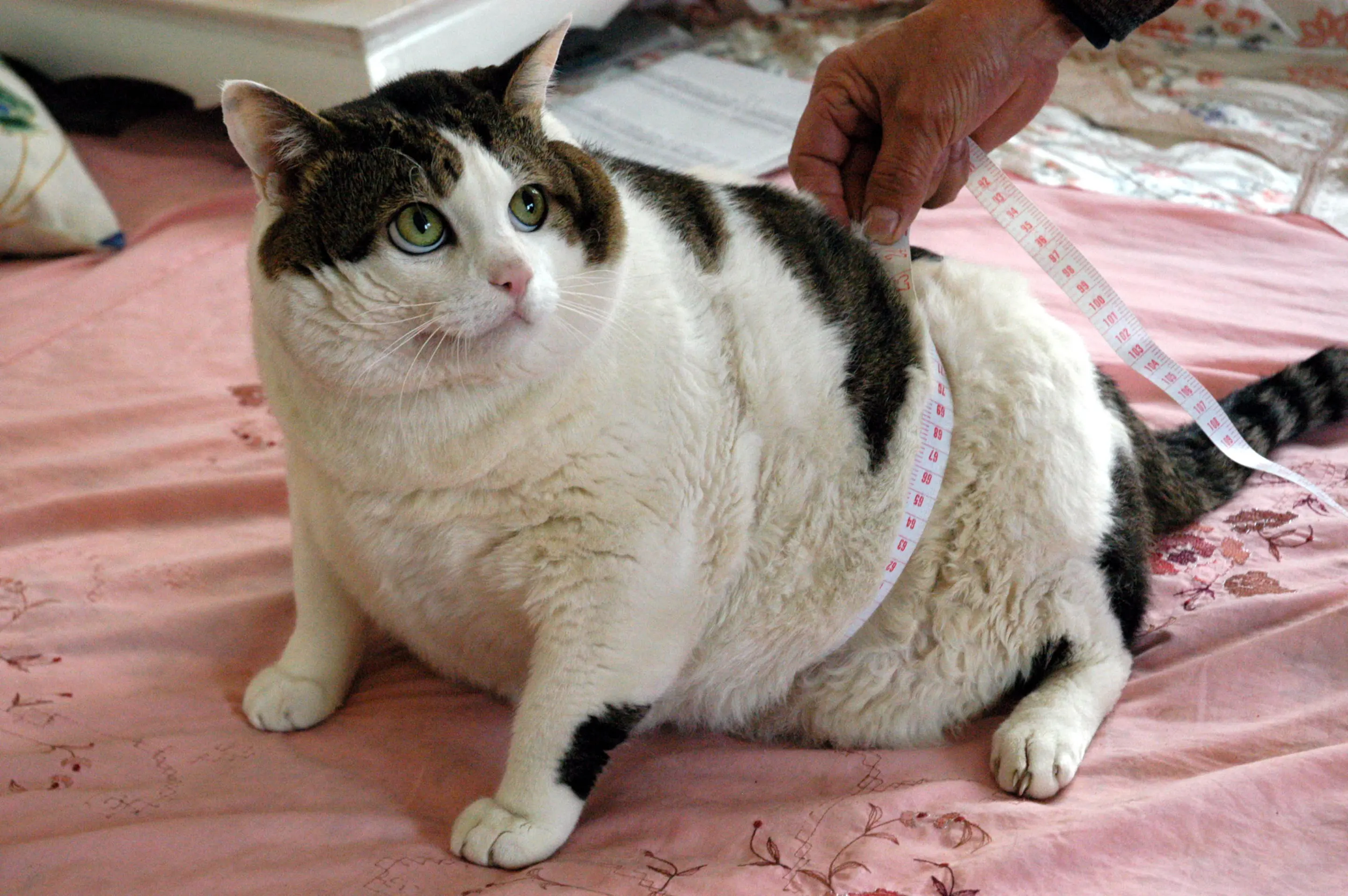
The online survey collected data from 1,305 cats, all of whom had been eating their current diet for at least one year. About 90% of the cats eat a traditional meat-containing diet, and about 10% eat a vegan diet. Based on pet owner feedback and veterinarian assessments of weight status, researchers found that cats on a vegan diet were 34 percent less likely to be judged as overweight than cats on a conventional diet.
The research team adjusted for factors such as age, sex, neuter status, activity level and feeding practices during the analysis, so the differences cannot simply be attributed to other conditions known to affect body weight.
It is important to note that some of the feeding habits of the vegan diet group are commonly associated with a risk of weight gain. Study author Andrew Knight, an adjunct professor in Griffith University's School of Environment and Science, noted that most cats on a vegan diet mainly eat dry food and are more likely to have access to a round-the-clock food supply. Yet even so, the researchers still observed lower rates of overweight in this group.
Current research in the veterinary field generally estimates that about 30% to 60% of domestic cats are overweight or obese. Excessive weight is closely related to health risks such as arthritis, diabetes, urinary system diseases, and reduced quality of life, so finding dietary patterns that may help weight control has been a focus of research.
The survey results also showed that owners of cats on a vegan diet reported lower rates of weight-related health problems. For several diseases examined in the study, no cases were even reported in this group. Additionally, the vegan diet group showed a trend toward lower rates of osteoarthritis and other musculoskeletal and mobility problems.
However, the researchers specifically cautioned that due to the relatively small number of samples in the vegan diet group, these results are highly uncertain and cannot yet be considered conclusive evidence.
The study did not analyze the specific ingredients of the cat food itself, so it cannot be determined why the vegan diet group had lower rates of overweight. The research team believes that some commercial vegan cat foods may contain more dietary fiber while being lower in calories or fat, thereby aiding weight management. In addition, differences in nutrients such as L-carnitine, which are related to energy metabolism and maintenance of lean tissue, may also play a role.
However, the research results do not prove that obesity can be avoided by not eating meat. Scientists said that to verify whether this phenomenon is indeed caused by the diet itself, it is necessary to track the cat's actual food intake, caloric intake and changes in physical condition over a long period of time.
Knight said that the greatest significance of this study is to provide clues for subsequent research, rather than giving a final answer to whether vegan cat food is healthier. The research team hopes to conduct larger and longer-lasting prospective studies in the future to directly measure cats' diet structure, energy intake and physical condition to obtain more reliable conclusions.
The researchers also remind pet owners that no matter what feeding method they choose, they must ensure that their cats receive complete and balanced nutrition. If you choose a commercial vegan cat food, make sure the product is properly fortified to provide all the essential nutrients your cat needs to stay healthy.
This research paper is titled "The Effect of a Vegan Diet on Body Weight and Related Health Problems in 1,305 Cats: An Exploratory Cross-Sectional Survey" and was published in the journal "Frontiers of Animal Science" in September 2026.
Comments