
Abstract:
A new study shows that Homo erectus, who was thought to have disappeared long ago, may have lived in the tropical rain forests of southern China for tens of thousands of years. Eight fossil teeth from Guangxi caves show that these ancient humans lived between about 324,000 and 184,000 years ago. Previously, the scientific community generally believed that dense and humid tropical rainforests were not suitable for ancient humans like Homo erectus to survive for a long time. This discovery not only refreshes the survival time of Homo erectus in mainland China, but also makes people rethink why this species eventually became extinct.
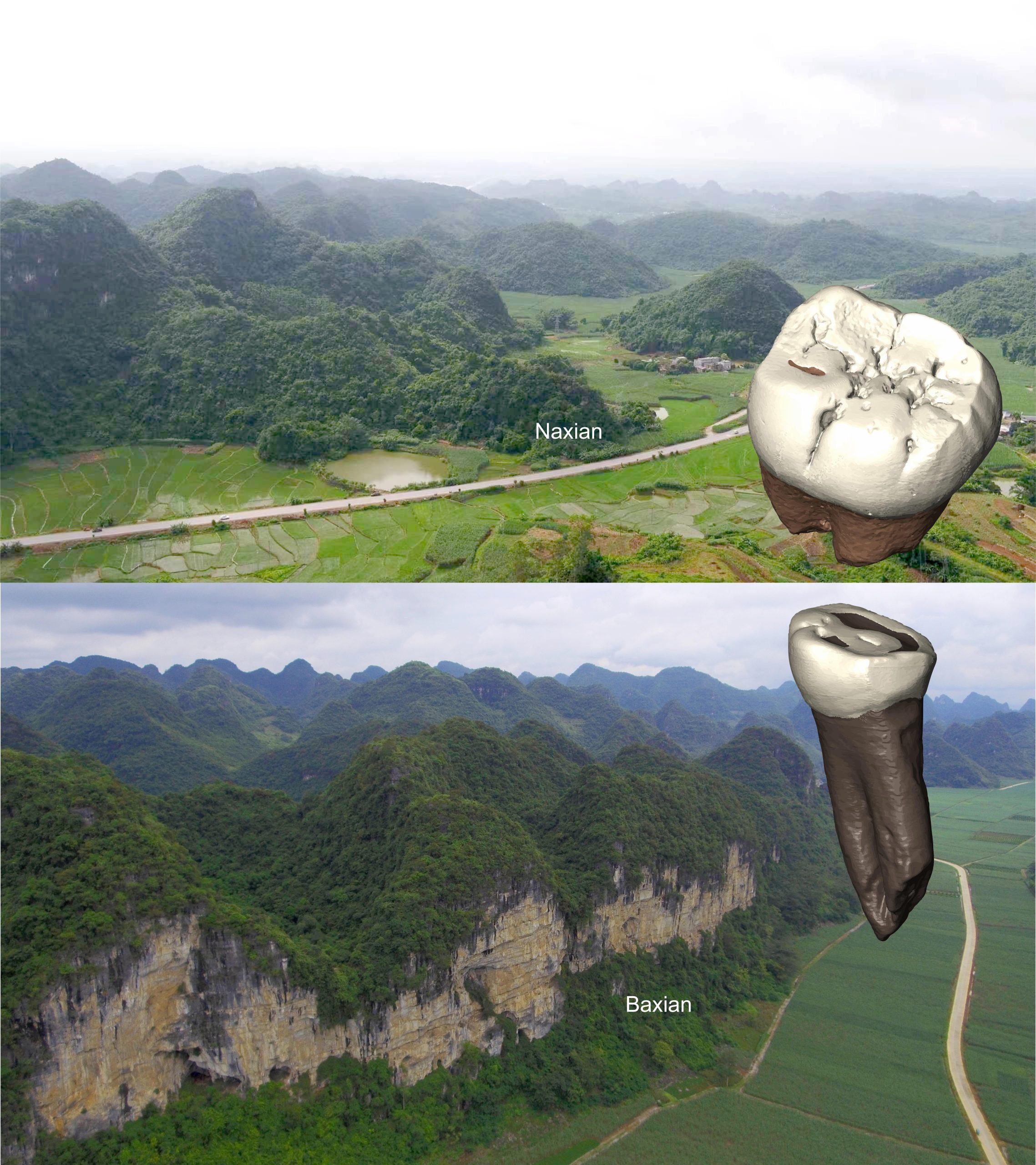
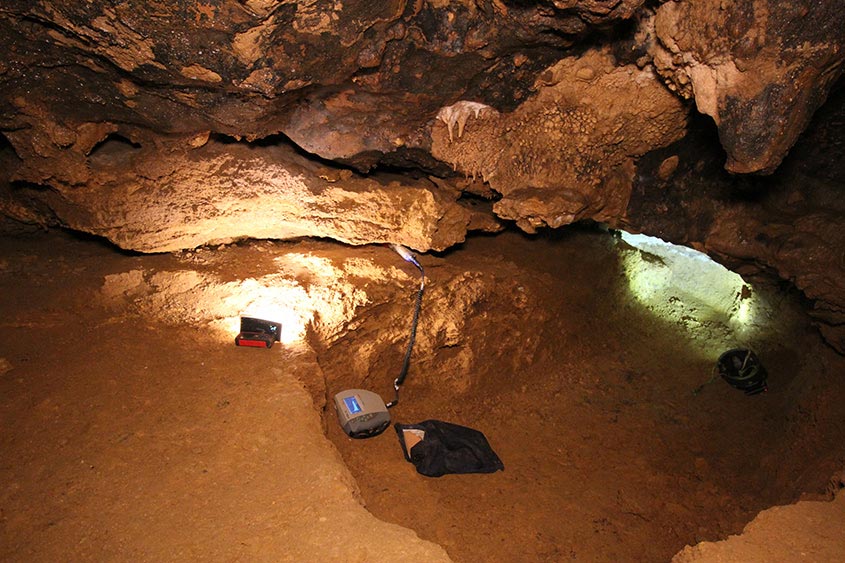
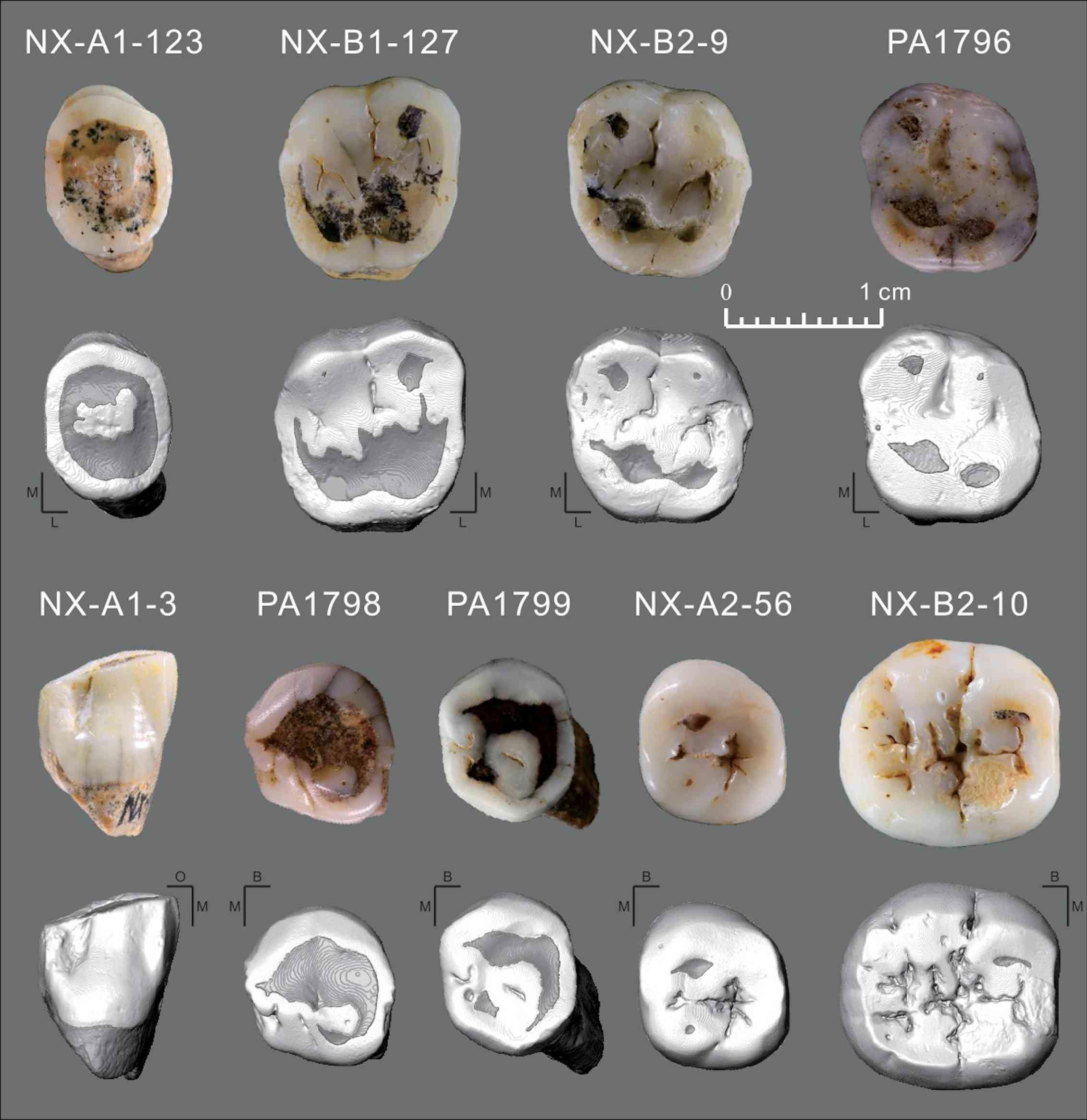
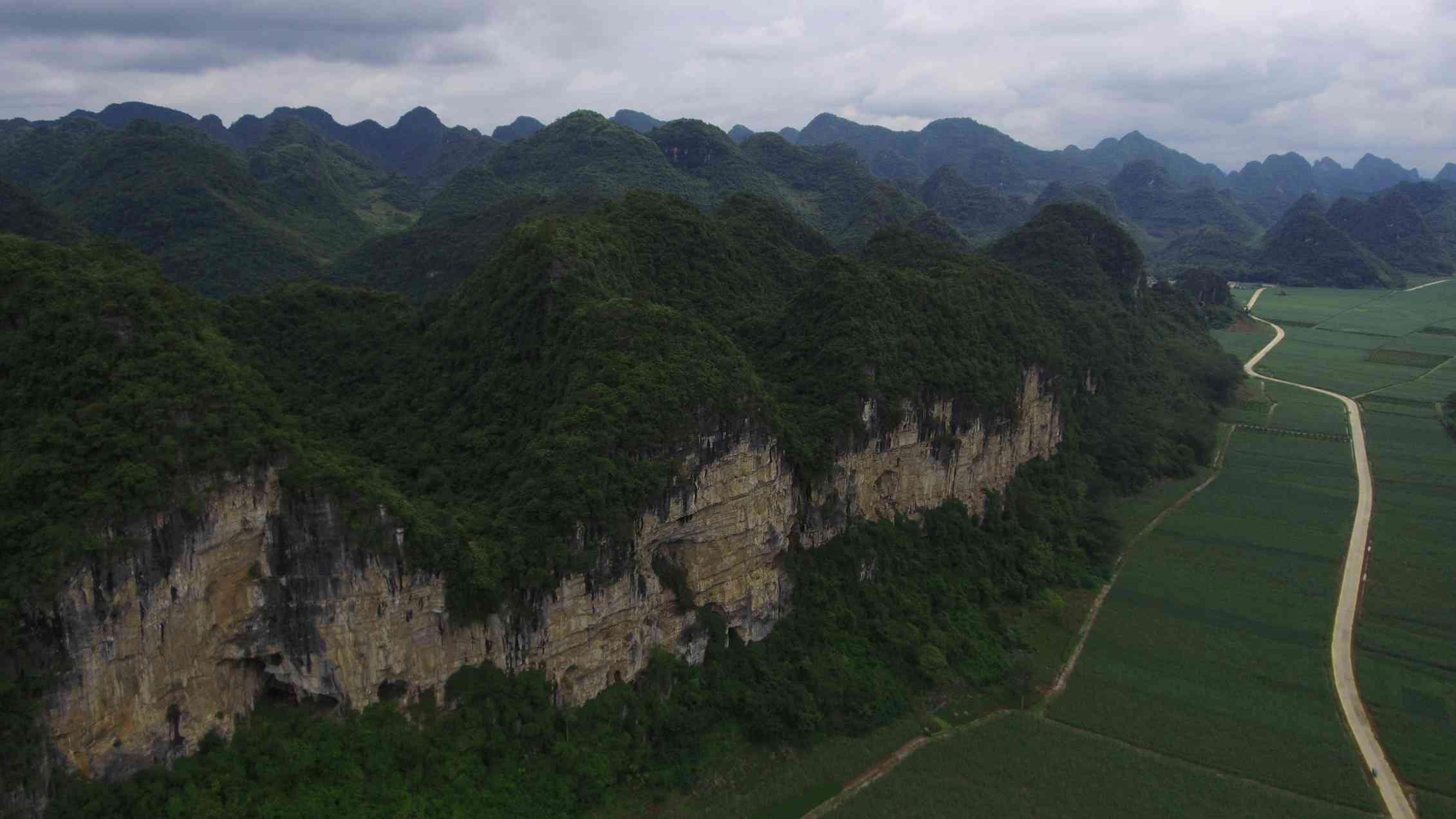
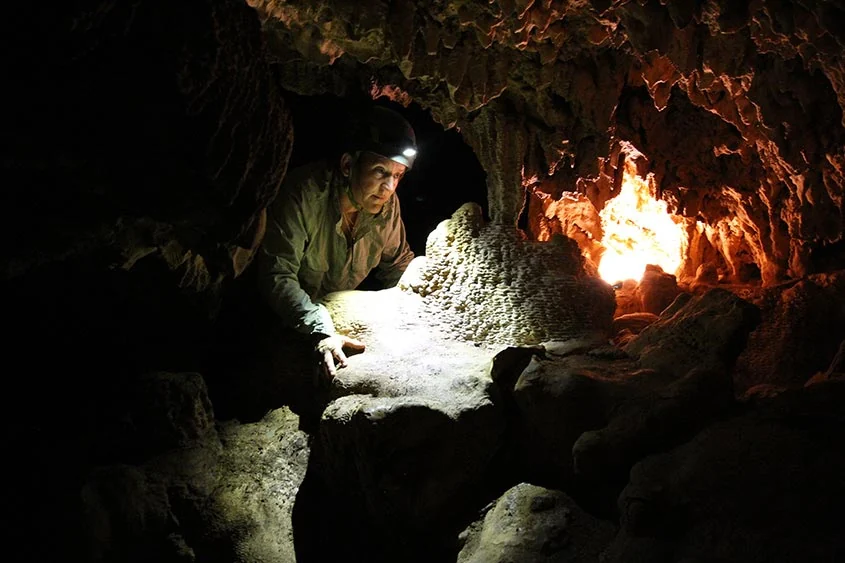
This achievement was completed by an international team composed of researchers from Australia, China and Europe. The relevant papers were published in two papers in the journal Nature. The research sites are located in the Baxian Cave and Naxian Cave in the karst landforms of Guangxi, China. The two caves are about 15 kilometers apart and surrounded by steep limestone hills and dense tropical vegetation. Researchers found eight human teeth and thousands of animal fossils in the cave, providing a rare opportunity to restore the age and environment of ancient humans.
Based on the morphological characteristics of the teeth and ancient genetic information, the research team confirmed that these teeth belong to Homo erectus. They then used five independent dating methods to analyze the teeth, surrounding sediments and mineral structure, and finally determined the age of these remains to be between 324,000 and 184,000 years ago. This is the latest known and reliable evidence of Homo erectus in mainland China, indicating that this species has continued locally for much longer than previously thought.
Kira Westaway, co-first author of the paper and a geochronologist at Macquarie University in Australia, said that this discovery is fascinating because it confirms that Homo erectus did exist in a place that had not been expected before and in a time period that had not been considered before. She said this has important implications for understanding the timeline of Homo erectus and exploring the reasons for its extinction.
Teeth not only record the age, but also preserve clues about the living environment of ancient humans. Chemical traces in tooth enamel can help researchers reconstruct ancient environments by reflecting the food and water an individual consumed throughout their lifetime. Analysis of ancient human and animal teeth shows that the area was a dense rainforest ecosystem, rather than the open grasslands or wooded steppes typically associated with Homo erectus.
Dr. Nicolas Burgon of the Max Planck Institute for Geological Anthropology in Jena, Germany, said that teeth can record the environment in which animals and humans live, and in this study, the animal teeth and the teeth of Homo erectus tell the same story: these individuals belong to a rainforest ecosystem.
The element strontium in teeth also provides researchers with clues about migration. The chemical signature of strontium is related to the geology of the surrounding landscape, and analysis suggests that some individuals may have spent their childhood moving into wider areas of karst forest outside the caves, rather than remaining within a narrow confinement. Study co-lead author Professor Renaud Joanne-Boyo from Australia's Southern Cross University said the chemical signatures of some of the fossil teeth point to areas far beyond the cave's perimeter, possibly even to northern Vietnam and mainland Southeast Asia. This suggests that these ancient humans were far more mobile than previously thought, spanning considerable distances across complex rainforest landscapes.
This discovery also complicates the relationship between rainforest expansion and the disappearance of ancient humans. Previously, the expansion of tropical forests in Southeast Asia was thought to be related to the disappearance of some ancient human groups other than Homo sapiens, because dense rainforests would make foraging, migration and survival more difficult. However, fossils from southern China show that Homo erectus was able to live in such a challenging environment, shaking established assumptions about its environmental adaptability.
Professor Zhang Yingqi, a paleontologist at the Institute of Vertebrate Paleontology and Paleoanthropology, Chinese Academy of Sciences, said these discoveries have changed people's view of Homo erectus. Evidence of Homo erectus has been found in rainforest fauna for the first time, challenging all previous assumptions about their ability to adapt to environmental changes.
The research also provides another important piece of evidence: This is the first time there is clear and direct evidence that in addition to Homo sapiens, there was another type of ancient human living in a rainforest environment. Previously, more and more evidence showed that Homo sapiens lived in rainforests around the world between 100,000 and 13,000 years ago. Professor Patrick Roberts of the Max Planck Institute for Geoanthropology in Germany said that although it is increasingly recognized that Homo sapiens adapted to rainforests around the world, this is the first time clear direct evidence has been obtained of another ancient hominin living in these habitats.
These findings establish the existence of an important late Homo erectus refuge in southern China. At the same time, they complicate the final chapter of Homo erectus: the species persisted longer on the Asian continent, extending its range into environments that researchers had previously thought were outside its habitat.
Comments