
Abstract:
The U.S. electric vehicle market is finally showing some signs of recovery after experiencing wild swings following the end of the federal car purchase tax credit. According to data released by Kelley Blue Book, a subsidiary of Cox Automotive, an automotive industry research organization, in the third quarter of 2026, U.S. pure electric vehicle sales rebounded significantly from the second quarter, setting the highest quarterly sales in the past year. Although the share of electric vehicles in the new car market is still well below previous highs, the latest data suggests that the market may be gradually adapting to the new environment after subsidies are withdrawn.
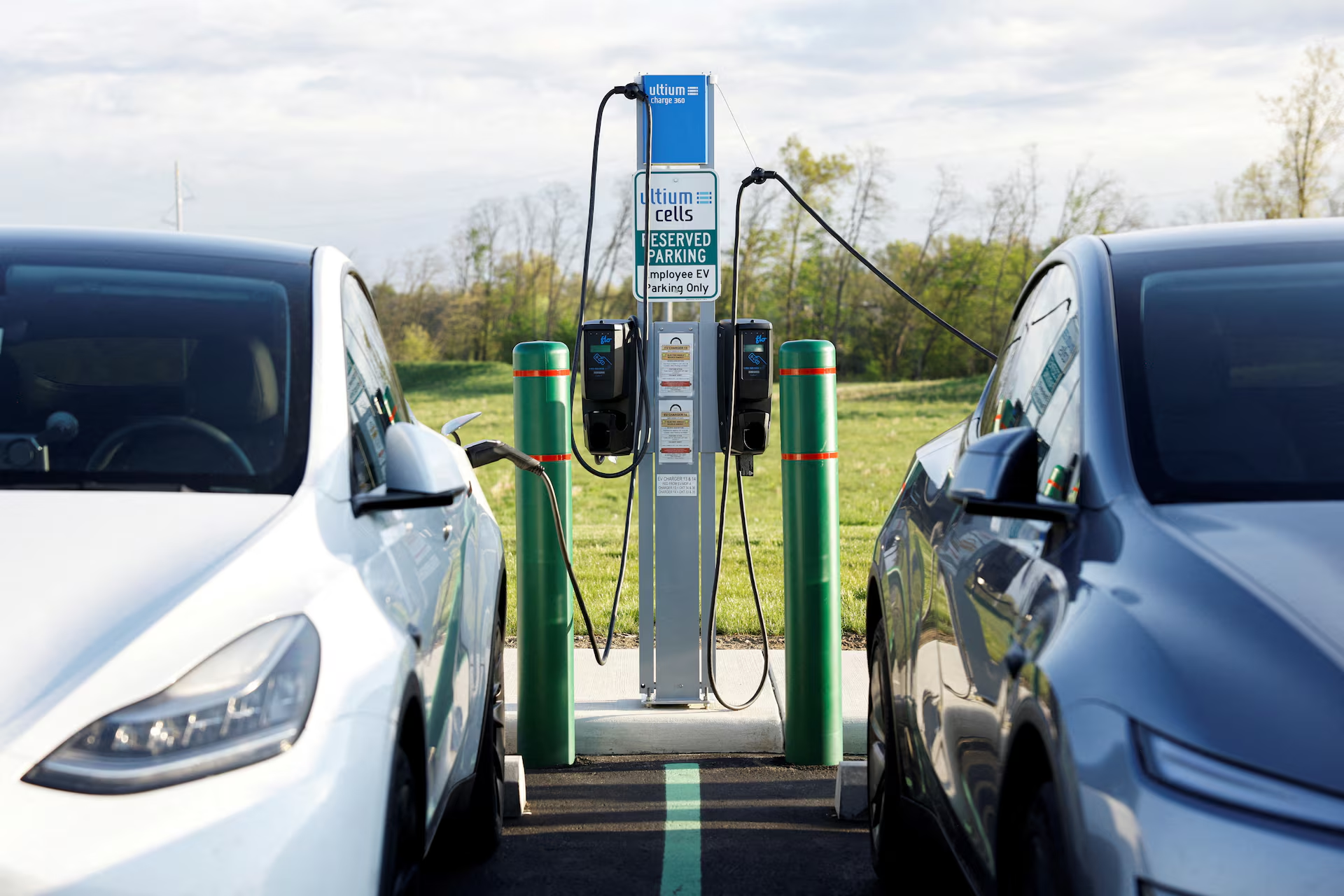
This change is particularly important for the U.S. electric vehicle industry. Over the past year, the U.S. electric vehicle market has experienced significant demand fluctuations: Consumers concentrated on purchasing electric vehicles in the third quarter of 2025 in order to buy cars before the federal tax credit expired. As the policy ended, demand fell sharply, and automakers and dealers had to face problems such as declining sales and inventory backlogs. Now, as the market gradually digests this round of impact, some automobile companies are beginning to see signs of stabilizing demand.
According to data released by Cox Automotive on October 12, 2026, the sales of pure electric vehicles in the United States in the third quarter reached approximately 263,000 units, an increase of approximately 6% to 8% compared with the second quarter. The specific increase will vary depending on the statistical caliber and subsequent revisions. This is also the highest quarter for U.S. electric vehicle sales since the record-breaking car buying boom in the third quarter of 2025.
However, sales in the third quarter of this year are still significantly lower than in the third quarter of 2025. During the same period last year, consumers purchased a large number of electric vehicles in an effort to complete transactions before the end of the federal electric vehicle purchase tax credit of up to $7,500 per vehicle, driving sales to an unusually high level in the quarter. Therefore, the year-on-year decrease of nearly 40% in the third quarter of this year does not completely mean that demand has deteriorated again, but also reflects the impact of the high base in the same period last year.
In terms of market share, pure electric vehicles will account for approximately 6.4% to 6.5% of new car sales in the United States in the third quarter of 2026, which is higher than approximately 5.8% in the second quarter. However, this proportion is still significantly lower than the stage high of more than 10% in the third quarter of 2025. In other words, although the U.S. electric vehicle market has rebounded month-on-month, it has not yet returned to the sales level before subsidies were withdrawn last year.
Market observers believe that what is more worthy of attention now is not the year-on-year decline, but the sales changes in consecutive quarters. If sales can remain stable and gradually grow without federal car purchase subsidies, it means that the U.S. electric vehicle market is forming a new demand base and no longer relies entirely on policy stimulus.
The U.S. government eliminated the previous federal electric vehicle purchase tax credit of up to $7,500 per vehicle in 2025. This policy has previously helped consumers reduce the actual cost of purchasing electric vehicles and is also one of the important factors driving the growth of the US electric vehicle market. With the withdrawal of subsidies, the cost for consumers to purchase electric vehicles has increased. Some people who originally planned to buy a car have chosen to postpone their purchase, while other consumers have turned to hybrid vehicles or traditional fuel vehicles.
The impact of the end of subsidies not only affects consumers, but also changes the business strategies of automakers. Some traditional automobile companies have re-evaluated their electric vehicle investment plans, reduced their original production scale, and shifted more resources to hybrid models. For companies that have previously invested heavily in building electric vehicle production capacity, how to maintain sales amid weakening policy support has become an important business challenge.
However, the market did not continue to decline as some pessimistic forecasts said. As automakers adjust pricing, launch new models and clear out overstocked inventories, consumers are gradually returning to buying interest. Stephanie Valdez Streeti, head of the industry insights department at Cox Automotive, believes that the market is gradually finding a new equilibrium point. After experiencing adjustments brought about by policy changes, the electric vehicle industry may be close to emerging from this round of repricing and demand restructuring.
She pointed out that the next stage of growth will depend more on whether the product itself is attractive, whether the price is competitive, and whether the automaker can continue to provide consumers with sufficient reasons to buy.
Judging from the performance of specific companies, the market recovery in the third quarter was uneven. Some new models and brands newly entering the market have achieved better sales performance, while the sales of electric vehicles by some traditional automakers are still significantly lower than the same period last year. Since the third quarter of last year was affected by the concentration of car purchases before the expiration of tax credits, simply comparing year-on-year figures can easily conceal the current true sales trends of different companies.
Tesla remains the dominant brand in the U.S. pure electric vehicle market. Model Y and Model 3 continue to occupy the top two sales rankings, but Tesla still faces growth pressure in the US market. Consumers' views on the speed of vehicle model updates, brand image and corporate business direction may affect car purchase decisions. At the same time, Tesla's performance in other markets around the world has given it room to offset some of the pressure in the U.S. market.
Rivian achieved relatively strong delivery results in the third quarter. The company delivered approximately 19,200 vehicles in the quarter, significantly higher than some analysts' previous expectations. The new R2 model began to contribute to deliveries, which also helped the company's sales growth. For Rivian, whether it can expand delivery scale while controlling production costs will directly affect its future operating performance.
South Korean automaker Hyundai Motor has also seen some demand pick up. The head of Hyundai Motor's North American business said dealer demand for electric vehicle products has increased, especially as gasoline prices rise, and some consumers are starting to consider pure electric vehicles again. Hyundai's IONIQ series models still have a certain influence in the U.S. market, but their year-on-year sales performance was also affected by the car-buying boom before subsidies expired last year.
In addition, Toyota and Lexus also experienced significant growth in sales of pure electric vehicles. Some models have been updated with more attractive prices and range performance, helping the brand expand its share of the U.S. pure electric vehicle market. This also shows that even if consumers' overall willingness to purchase electric vehicles has weakened, specific competitive products can still gain market recognition.
Price remains an important factor influencing U.S. consumers to purchase electric vehicles. The average selling price of pure electric vehicles in the U.S. market is usually higher than the same level of fuel-powered vehicles. After the elimination of car purchase subsidies, consumers pay more attention to the actual purchase cost, insurance premiums, charging expenses and long-term maintenance costs of vehicles. For families with limited budgets, even if electric vehicles have lower daily energy costs, they may not be able to form a sufficiently obvious price advantage during the car purchase stage.
As a result, automakers are trying to attract consumers by lowering prices, launching entry-level models and offering promotional offers. Some relatively affordable electric SUVs have received good market response, indicating that there is still demand in the US market, but consumers are more sensitive to product prices and actual uses.
Charging infrastructure is also an important factor restricting the popularity of electric vehicles. Although the U.S. public charging network continues to expand, coverage levels vary widely between regions. For consumers who live in single-family homes and can install home charging piles, using electric vehicles is generally more convenient; while for people who live in apartments, lack fixed parking spaces, or need to frequently travel long distances, charging convenience remains an important concern.
Battery life anxiety has not completely disappeared either. Although battery technology has continued to advance in recent years, and many new models have been able to meet the needs of daily commuting, consumers will still consider the impact of low temperatures in winter on battery life, whether charging stations are sufficient during long-distance travel, and whether charging can be completed in time during peak hours. These factors make some consumers more willing to choose hybrid vehicles rather than switching entirely to pure electric vehicles.
In fact, hybrid vehicles have become one of the fastest-growing segments of the U.S. auto market. Hybrid models offer a compromise option for consumers who want to reduce fuel consumption but don't want to rely entirely on charging facilities for the time being. Automakers are also expanding related product lineups to meet the needs of different consumers.
Another development trend has emerged in the second-hand electric vehicle market. As previously sold electric vehicles gradually enter the second-hand market, consumers can purchase pure electric vehicles at lower prices than new cars. Compared with higher-priced new cars, some second-hand electric cars are more economically attractive, which also helps expand the potential user base of electric cars.
However, the recovery of the US market does not mean that the electric vehicle industry is free from all challenges. Factors such as weakened policy support, higher car model prices, uneven distribution of charging facilities, and adjustments to investment plans by traditional automobile companies will still affect the long-term development of the market. Even if sales pick up in the third quarter, the share of electric vehicles in the new car market is still at a relatively low level, and there is uncertainty about the future growth rate.
From an international comparison, the performance of the US electric vehicle market is in sharp contrast to that of Europe. Many European countries are still promoting the popularity of electric vehicles through car purchase subsidies, tax incentives and emission regulations. At the same time, higher fuel prices have also increased the appeal of pure electric vehicles. In contrast, policy support at the federal level in the United States has significantly weakened, leading automakers to adopt a more cautious attitude in product planning and investment decisions.
At the same time, there are more and more electric vehicle models available for consumers to choose from in the European market, and automakers from China are also providing more competitively priced products. The U.S. market is subject to stricter trade restrictions, and the range of models available to consumers is relatively limited. These differences not only affect sales, but may also further affect the future competitive landscape of the automobile industry in different regions.
Overall, the U.S. electric vehicle market is now closer to gradually stabilizing than re-entering a phase of rapid growth. The sales volume rebounded in the third quarter from the previous quarter, indicating that consumer demand has not disappeared due to the cancellation of subsidies. However, the current market share of about 6.5% also shows that pure electric vehicles still face restrictions in terms of price, charging convenience, and product selection.
Next, whether the U.S. electric vehicle market can continue to recover will depend on whether automakers can launch more attractively priced models, improve user experience, and maintain consumers' purchasing motivation in the absence of federal car purchase subsidies. For the entire industry, the real test is not to create a sales peak before the policy is withdrawn, but to continue to attract consumers to buy without short-term stimulus.
Comments