
Abstract:
The world's first hydrogen-powered cruise ship "Viking Libra" was officially delivered to Viking Cruises by Fincantieri Group in Ancona, Italy. The ship can carry 998 guests. The most talked-about ability is to rely on hydrogen fuel to maintain power supply for about 10 hours during docking, thereby reducing the pollution caused by burning diesel when the cruise ship is berthed.
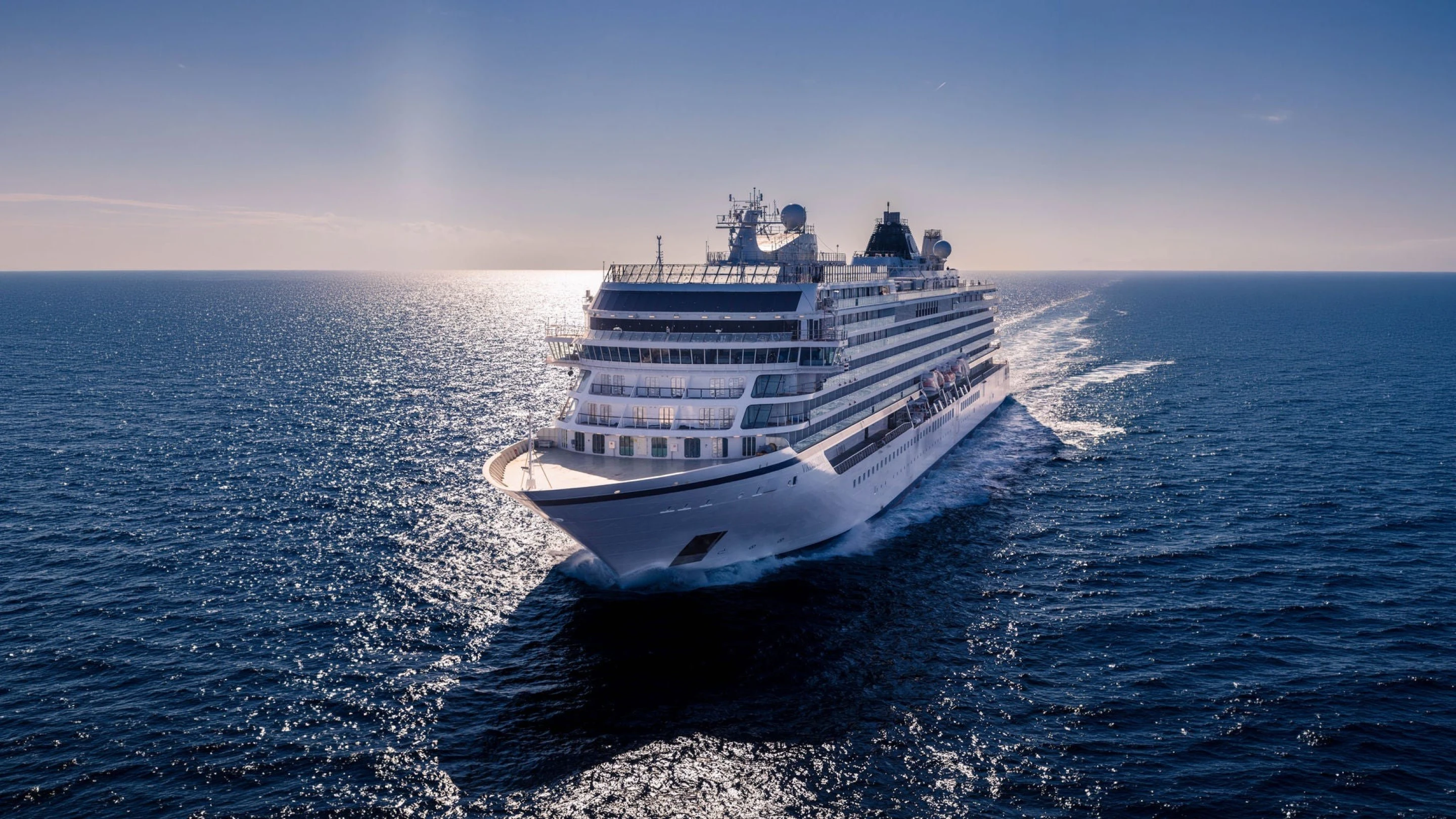
Cruise ships often still burn diesel fuel to keep lights, air conditioning and other onboard facilities running when docked in port. The design goal of "Libra" is to replace this part of fossil energy consumption with hydrogen fuel that has less impact on the environment. Viking said the ship will sail in the Mediterranean and Nordic waters in its first season, but it and its sister ship "Viking Astraea", which is still under construction, are not expected to actually start operating on hydrogen fuel until 2027.
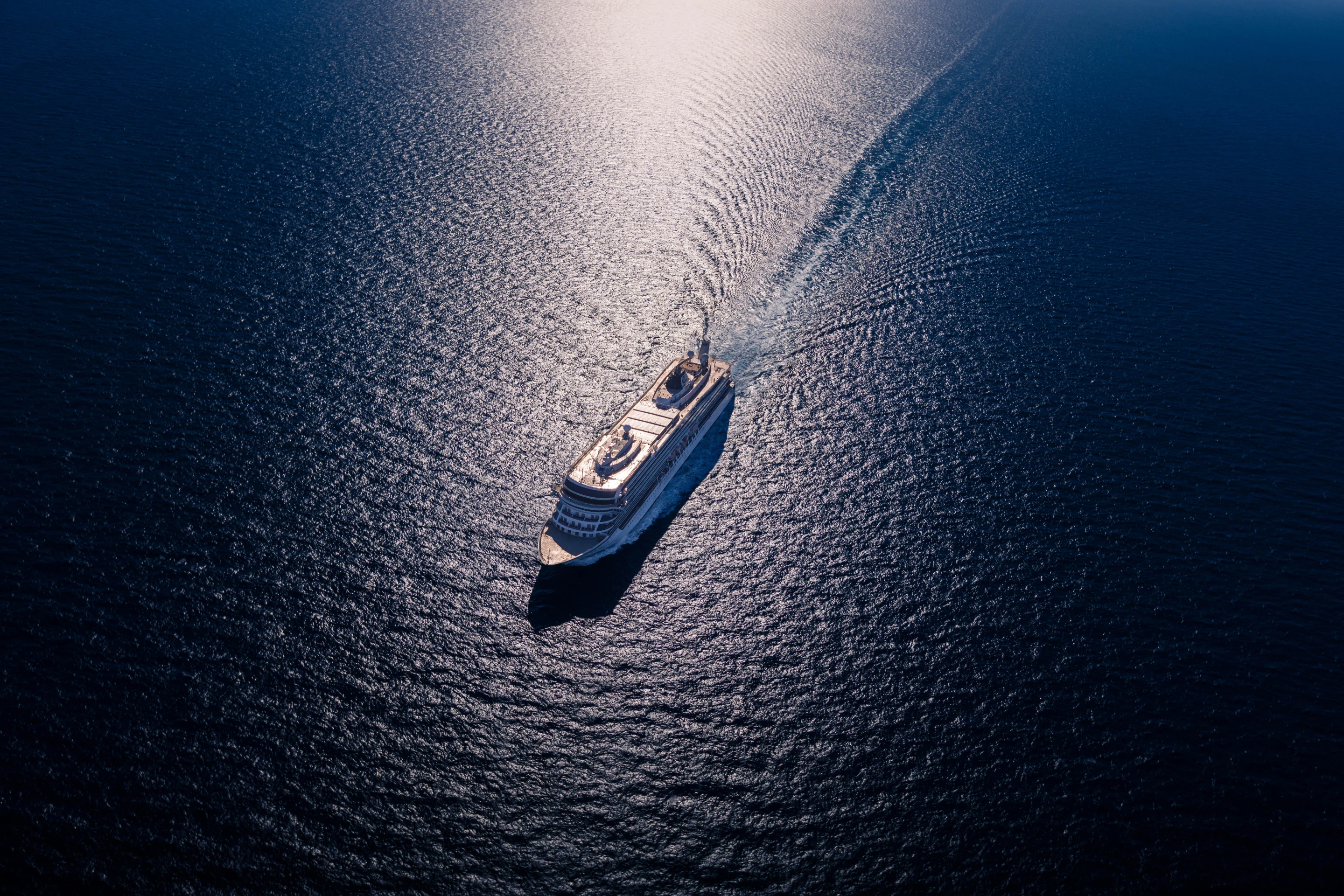
Hydrogen fuel cruise ships are expected to alleviate the health problems that such large ships bring to the cities where they dock. The city of Juneau, Alaska, USA, cited data from shore power company ABB and pointed out that the nitrogen oxide emissions from a cruise ship docked at the berth for eight hours exceeded the level of 10,000 cars. Facing increasingly stringent environmental protection requirements, Norway will require passenger ships with a total tonnage of more than 10,000 tons, including the "Libra", to achieve zero emissions in the world heritage fjords from January 1, 2032; the European Union plans to require cruise ships to connect to the power grid in most major ports from 2030.
The fuel cell system of "Libra" comes from Isotta Fraschini Motori, a fuel cell subsidiary of Fincantieri. Liquid hydrogen is fed into two containerized proton exchange membrane fuel cell units, where it reacts with oxygen in the air to produce electricity, with the only emission being water. Fincantieri said that the total output power of the two systems is 6.3 megawatts, and another 4.7 megawatt-hour battery is responsible for handling peak power consumption. The hydrogen storage tanks on board can also be disassembled and transported by truck, so the ship does not have to rely on hydrogen refueling stations at the dock.
Although Libra is billed as a hydrogen-powered cruise ship, it is actually a hybrid ship. Its zero-emission mode can last for about 13 hours, of which it can last for 3 hours when sailing at a speed of 10 knots and about 18.5 kilometers per hour, and 10 hours when anchored in port; the remaining time is still powered by traditional engines. Fincantieri expects the ship to reduce emissions by about 20% per year compared with cruise ships that rely entirely on fossil fuels.
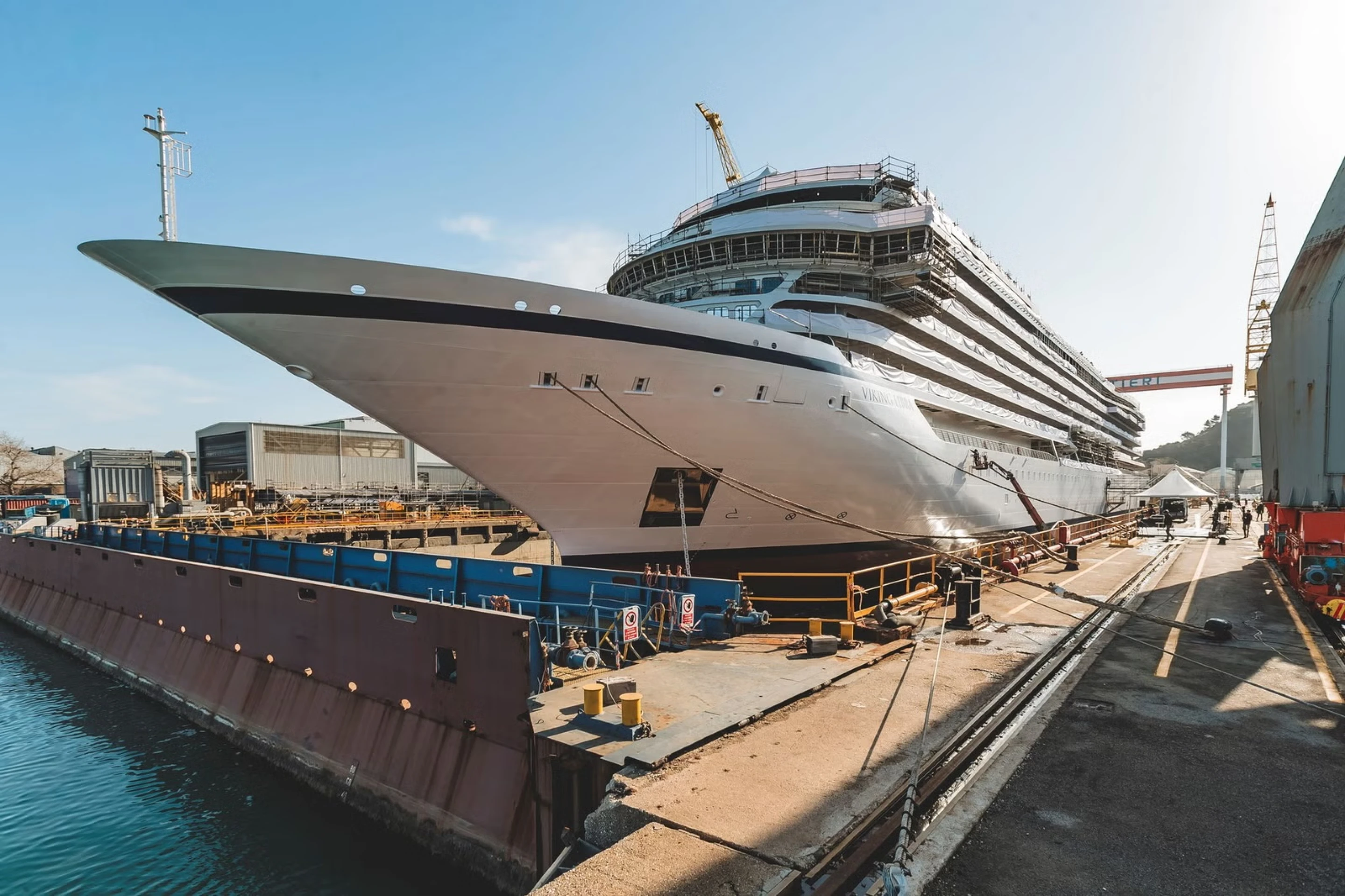
The "Libra" is 784 feet long, or about 239 meters. Fincantieri floated the ship out of dock at the Ancona shipyard in March this year. However, the biggest question about hydrogen fuel has always been its source: neither company has stated whether the hydrogen used is "green hydrogen" produced by renewable energy, or "gray hydrogen" that uses natural gas as raw material and emits carbon dioxide during the production process.
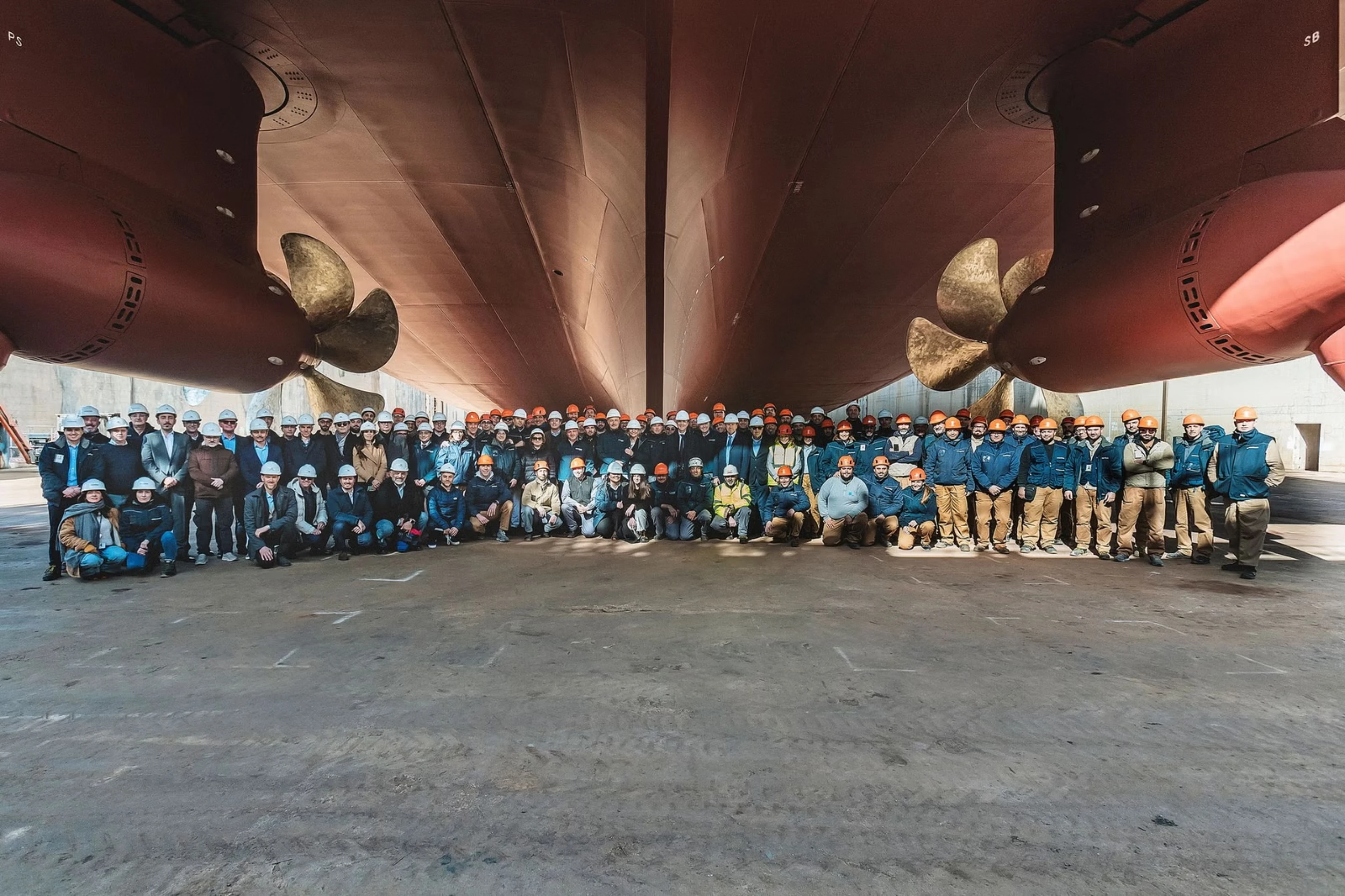
Libra is not the first cruise ship to experiment with fuel cells, but it is the first to actually build and use them on a larger scale. The "Viking Neptune" delivered by Fincantieri in 2022 was equipped with an experimental 100-kilowatt hydrogen module; in the same year, the MSC "Europa World" also demonstrated for the first time a set of 150-kilowatt fuel cells using liquefied natural gas. These systems are small in comparison, and MSC itself admits that its fuel cells can only provide a fraction of the energy required.
In the field of passenger ships, other ships have taken the lead in using hydrogen fuel. Norway's MF Hydra ferry will carry passengers using liquid hydrogen from March 2023, and San Francisco's Sea Change will operate using compressed hydrogen from July 2024. Earlier this year, a floating hydrogen power hub also completed testing, with the port providing up to 5 megawatts of power to ships.
Viking Executive Chairman Tolstein Hagen said at the time of the project announcement that Viking had made a principled decision to invest in hydrogen energy, a truly zero-emission solution.
Comments