
Abstract:
A traditional Japanese food with a history of thousands of years that once deterred many people due to its unique smell and sticky texture is now attracting attention from the global market again with the help of more and more scientific research. In recent years, natto is moving from Japanese family tables to the international market, and is gradually regarded as one of the representative foods closely related to health and longevity.
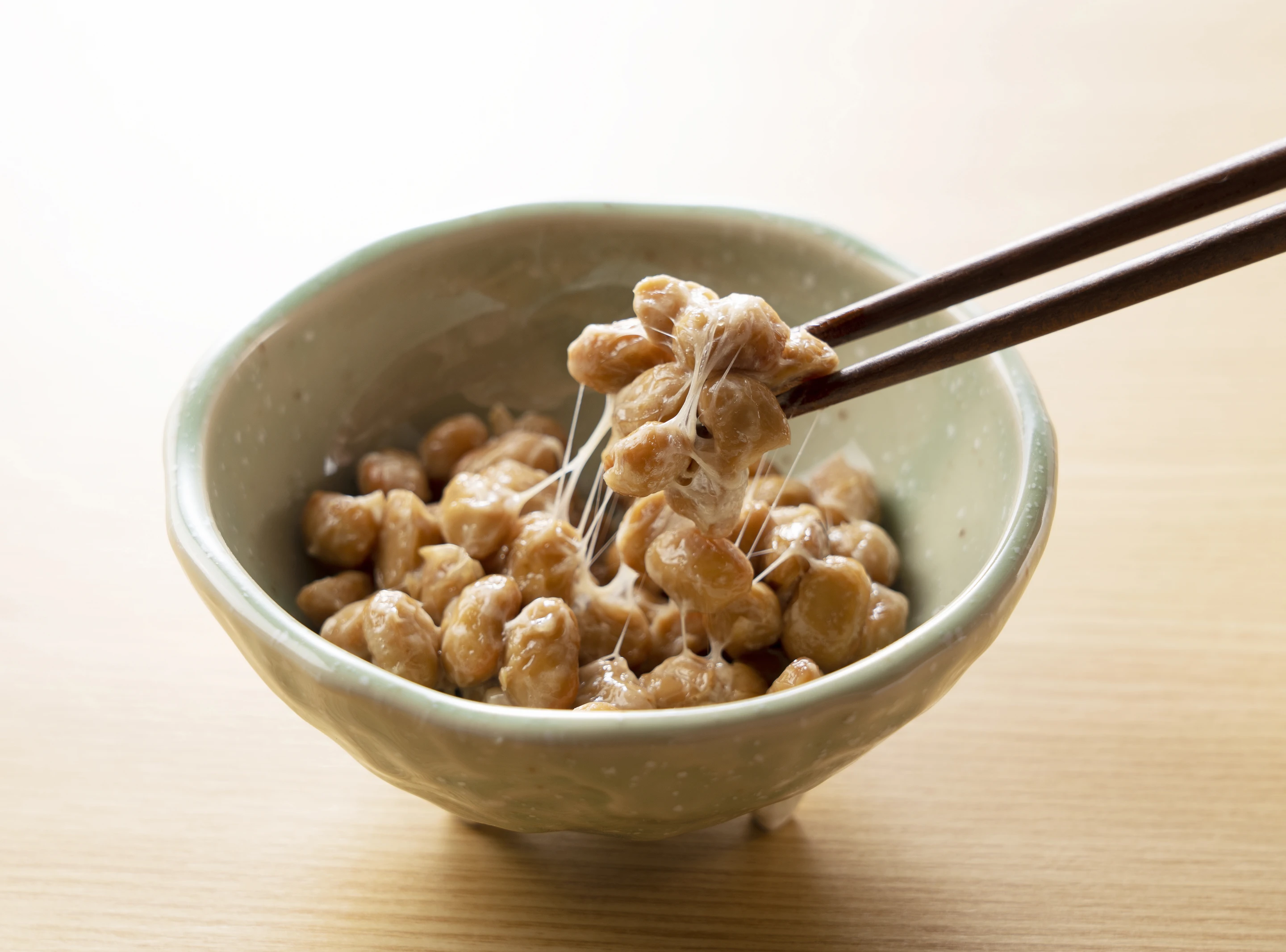
Natto is made from cooked soybeans fermented by Bacillus natto. It has a strong smell and a unique brushed texture. It has long been a common breakfast food in Japan, but in the eyes of overseas consumers, its texture and appearance are often more impressive than its taste.
However, natto is changing the outside world's perception with its nutritional value. According to data from the Japanese Ministry of Finance, Japan's natto export volume will reach 5,248 tons in 2025, nearly three times more than in 2017, with China and the United States becoming the most important overseas markets. This shows that this traditional fermented food is gaining wider international recognition.
From a nutritional perspective, natto contains plant protein, dietary fiber and a variety of minerals. It is also an important natural source of vitamin K2. Each 50 grams of natto contains about 8.3 grams of protein and 4.8 grams of dietary fiber. It can also provide magnesium, potassium and other nutrients at relatively low calories.
Researchers are particularly concerned about the vitamin K2 in natto. This substance is involved in bone metabolic processes and helps maintain bone health. A study of Japanese postmenopausal women found that vitamin K2, one of the richest sources of vitamin K2 in the daily diet, may help reduce the risk of fractures.
In addition to bone health, the relationship between natto and cardiovascular disease prevention has also been widely studied. A large study published in the American Journal of Clinical Nutrition in 2017 tracked nearly 30,000 participants and found that people who regularly consumed natto had a significantly lower risk of death from cardiovascular disease than those who consumed less. The researchers have tried their best to exclude other influencing factors such as dietary habits and lifestyle during the analysis process.
Meanwhile, new research is looking at other active ingredients in natto. For example, spermine (Spermidine), nattokinase and various metabolites produced during the fermentation process are considered to be potentially related to cell repair, autophagy mechanism, anti-inflammatory response and cardiovascular health. However, the scientific community continues to study the specific mechanisms by which these ingredients work.
Experts point out that although natto has been linked to longevity and health by more and more studies, it is not a "magic food" and cannot alone determine health status. The potential benefits are more likely to come from the combined effects of steady, long-term intake as part of a balanced diet and healthy lifestyle.
Although the smell, taste and stringy texture of natto are still difficult for many first-timers to accept, with the accumulation of more and more scientific evidence, this traditional Japanese fermented food with a history of thousands of years is gradually evolving from a regional specialty to a new favorite in the global health food market.
Comments