
Abstract:
TSMC Executive Vice President and Co-Chief Operating Officer Chin Yong-pei revealed during an exchange with students at National Cheng Kung University on October 29 that the company had arranged R&D engineers to participate in the "Nighthawk Project" to catch up with internationally advanced processes, trying to allow the R&D team to work day and night to extend R&D operation hours. This plan failed after about six months of implementation.
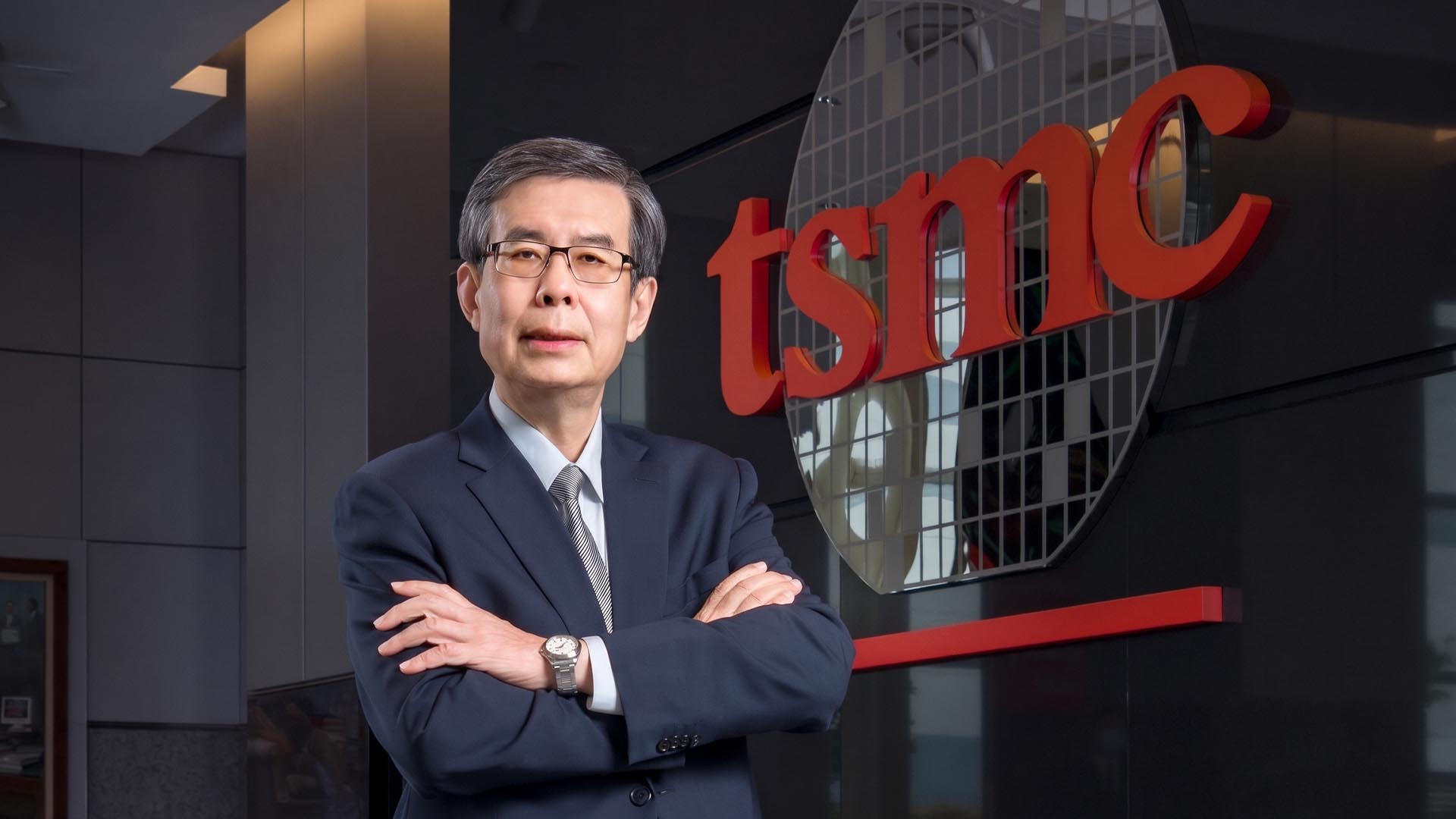
Qin Yongpei recalled that at the time, some people believed that if TSMC’s R&D team operated 24 hours a day and its American competitors worked 8 hours a day, they would be able to catch up or even surpass their opponents by relying on their time advantage. But this approach did not bring the expected results. He pointed out that R&D requires thinking, judgment and innovation. Simply increasing working hours cannot guarantee output. R&D “relies on brainpower, not labor.”
He regards TSMC’s 40-nanometer process as an important turning point in organizational transformation. At that time, the traditional model of using the R&D department to complete the process and then hand it over to the wafer fab encountered setbacks, prompting the company to re-examine the collaboration between R&D and manufacturing, and gradually developed a "One Team" culture. Qin Yongpei emphasized that this does not only require employees to support each other, but also allows different departments to work around a common goal and be jointly responsible for the final results.
Take the transition from R&D to mass production of a new process as an example. Allowing fabs to participate in development earlier and extending the handover overlap period between R&D and manufacturing will help smooth the progress of subsequent mass production. When encountering process problems, gathering multiple teams to jointly analyze the root causes is more efficient than leaving it to a single department.
Qin Yongpei said that the One Team concept also extends to overseas factory expansion. The Taiwanese team needs to work closely with the overseas team and bear part of the responsibility for the success of the overseas factory. He believes that cross-department cooperation has improved process development and mass production efficiency, and is an important foundation for TSMC to maintain its technological competitiveness; however, for each department to truly recognize and implement this culture, it requires investment of time and effort, and cannot just rely on slogans.
Comments