In December 1995, Netscape Communications and Sun Microsystems jointly announced a new web scripting language - JavaScript. This "hacker-style prototype" was born within Netscape and was spelled out in only 10 days. It has now become one of the most important programming languages on the Internet.
Although the original version of that year did not appear with the Netscape Navigator beta version until September of the same year, and was officially released as version 1.0 in March 1996, today, almost all websites with client-side scripts are using it, and JavaScript has actually become the "default language" of the interactive online world.
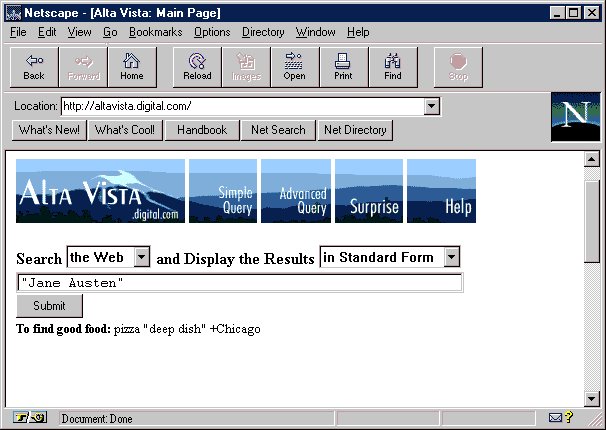
At Netscape, engineer Brendan Eich was asked to design a "lightweight scripting language" with the goal of allowing web designers and non-professional programmers to quickly get started and add interactive effects to originally static web pages. The internal prototype he completed in May 1995 deliberately moved closer to Java, which was popular at the time, in terms of syntax and appearance to satisfy management's market considerations. However, the internal mechanism drew heavily on his favorite Scheme and Self's prototype inheritance ideas, forming a structure that was completely different from traditional object-oriented languages. Over the next year, the language continued to take shape in hasty expansions and modifications, paving the way for various "quirks" and inconsistencies that would long plague developers.
In order to promote the ecosystem, Netscape and Sun Microsystems attracted 28 important technology companies at the time to build JavaScript platforms, including names such as Digital Equipment Corporation and Silicon Graphics that later faded out or were acquired. However, JavaScript itself has survived this round of industry reshuffles and has become one of the few technologies that has survived and continued to grow. Around 1996, while complaining about frequent changes in standards, Microsoft launched its own implementation of JScript in Internet Explorer. This triggered a years-long browser compatibility nightmare and forced developers to juggle between different implementations.
The naming process of JavaScript is a typical "history of technology and market pull". Eich initially named the prototype "Mocha", which was later renamed LiveScript in the Netscape 2.0 beta version. It was not named JavaScript until he signed a licensing agreement with Sun Microsystems. The intention was to ride on the popularity of Java at the time and package himself as Java's "web-side partner." This naming paved the way for thirty years of confusion: Technically, Java is a statically typed, class-based language, while JavaScript is a dynamically typed, prototype-based language, and the two are far less closely related than their names might sound.
In June 1997, the ECMA international organization standardized the language as ECMAScript, marking JavaScript's true entry into the track of standardization. However, in the following years, as Internet Explorer dominated the market, browser innovation stagnated and the development of the language itself fell into a low ebb. It was not until around 2005 that the rise of AJAX technology made developers realize that "application-like" web pages that could update content without refreshing the entire page were opening up a new product form. In 2009, Node.js was born, extending JavaScript to the server side, officially breaking the imaginary boundary of "you can only run scripts in the browser".
Entering the 2020s, the development ecosystem around JavaScript has expanded to almost all software forms such as front-end, back-end, mobile and desktop. Various surveys show that it has been among the most commonly used programming languages in the world for many years, with more than 60% of developers using it. TypeScript, which adds static types to it, is also rising rapidly and has become the first choice for many large-scale projects. With the help of frameworks such as React Native, Electron, and Node.js, JavaScript code can appear in mobile applications, desktop software, websites, and cloud infrastructure. Millions of modules have accumulated on the npm package registration center, forming an unprecedented code "assembly market."
As its influence expands, the controversy surrounding the name "JavaScript" itself has also intensified. Since Sun Microsystems was acquired by Oracle, the "JavaScript" trademark eventually fell into Oracle's name, but the company never actually built a specific product based on it. In recent years, developers represented by Brendan Eich and Node.js founder Ryan Dahl have launched public joint letters and legal actions. They believe that Oracle has not actually used the trademark for a long time and the name has been highly generic. They hope to "liberate" it from commercial trademarks so that the community can freely use titles such as "JavaScript Conference" and "JavaScript Specification" without having to use compromise names such as "JSConf".
Somewhat ironically, the standard name "ECMAScript" has been disliked by many core participants from the beginning. Eich once joked that the name sounds like a skin disease, but what really remains in the public's memory is JavaScript, a "market product." At the same time, Java applets, which had high hopes and were once popular in browsers, have long since faded out of history. JavaScript, which was originally regarded as a "small script assistant", has become the absolute protagonist of modern web pages and application experiences. Looking back thirty years later, this technical story that began with the "10-Day Hacker Prototype" and was mixed with naming misunderstandings and standards disputes ultimately shaped the way the Internet operates today. Happy birthday, JavaScript.