
Abstract:
The open source operating system project ReactOS has made important progress recently. The development team announced that with the help of artificial intelligence-assisted programming technology, the system has successfully implemented support for the Thunderbolt 4 (Thunderbolt 4) interface. This achievement not only enhances the compatibility of ReactOS with modern hardware, but also becomes another example of the application of AI-assisted software development in the field of complex underlying system engineering.
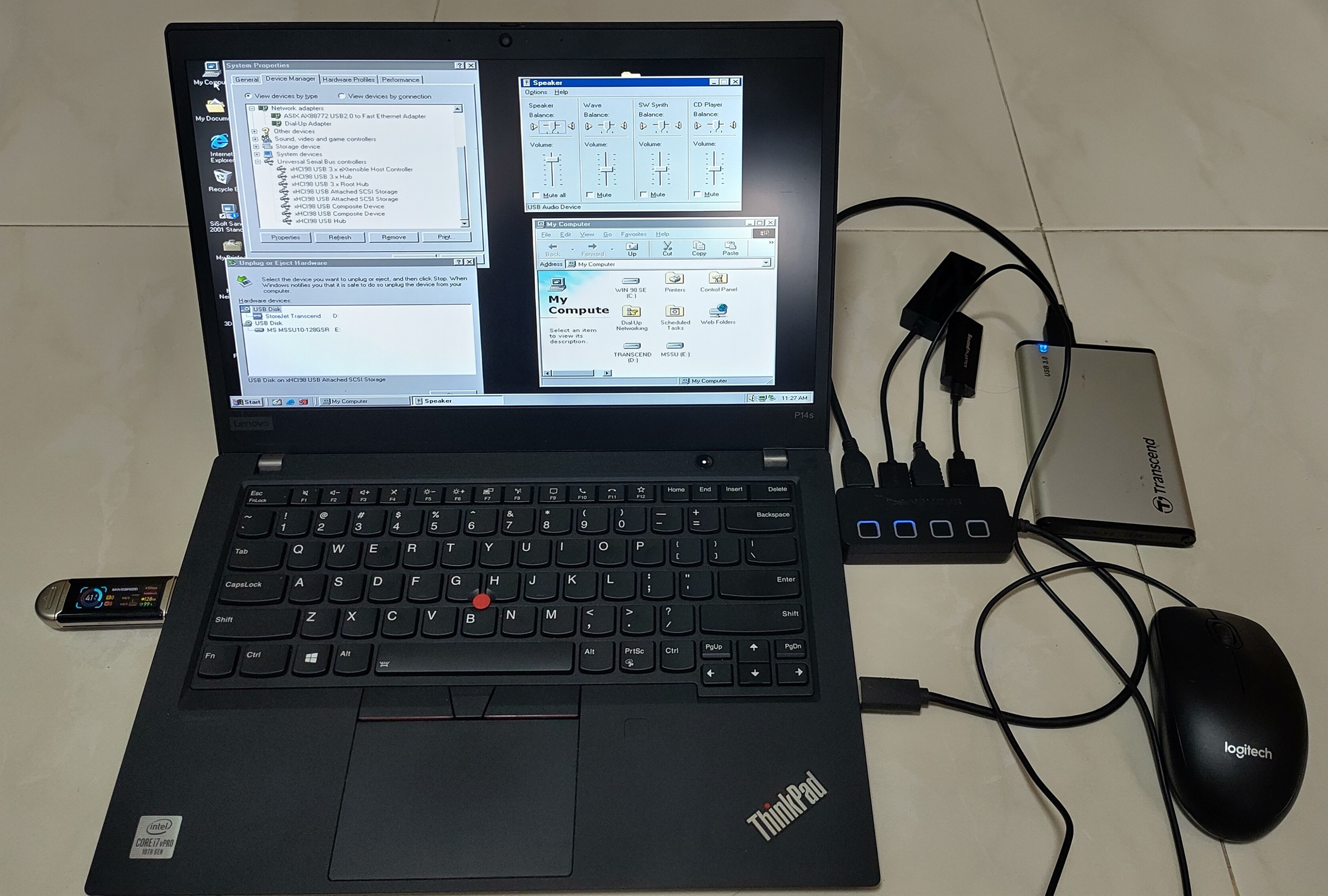
ReactOS is an open source operating system under long-term development. Its goal is to achieve a software and driver operating environment compatible with Windows without relying on Microsoft Windows source code. Since the project originated in the 1990s, it has long faced difficulties such as limited development resources and lagging hardware support. Therefore, it often takes a lot of time and manpower to provide support for modern interface standards.
According to the project developer, part of the implementation process of Thunderbolt 4 support adopted the "Vibe Coding" development method that has been popular in recent years. The so-called "Vibe Coding" usually refers to developers describing requirements to artificial intelligence programming tools through natural language, and then AI generates corresponding codes. Developers are responsible for reviewing, modifying and verifying the results.
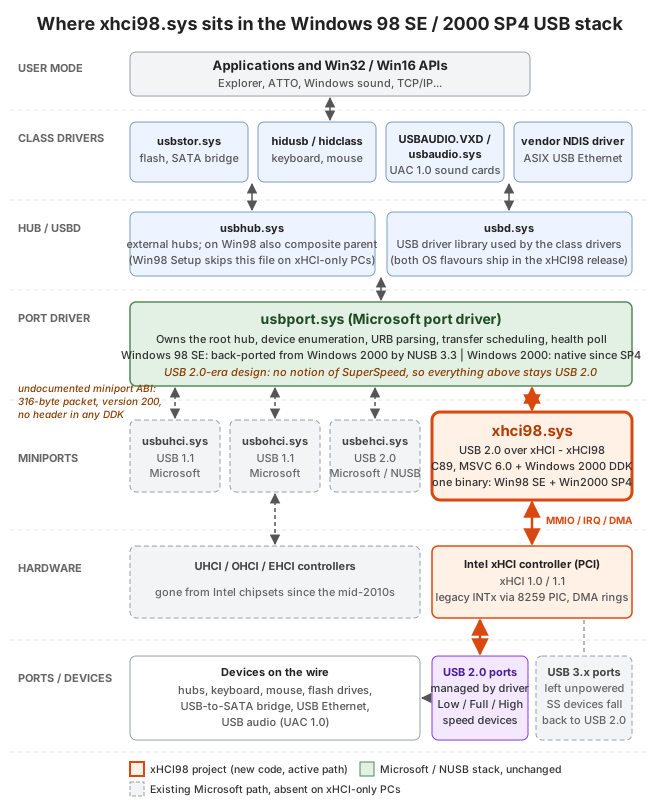
The development team stated that in the process of implementing Thunderbolt 4 support, AI tools undertook a large amount of code generation, interface analysis and technical documentation work, thus helping developers significantly shorten the development cycle. Developers pointed out that it would often take more time to complete the same scale of underlying driver and compatibility development using traditional manual methods.
Thunderbolt 4 is a high-speed connection standard launched by Intel. It supports up to 40Gbps transmission bandwidth and can transmit data, video and power signals simultaneously. It is widely used in modern laptops, high-performance docking stations, external graphics cards and high-speed storage devices. For ReactOS, implementing relevant support means that users will have better compatibility with modern hardware in the future.
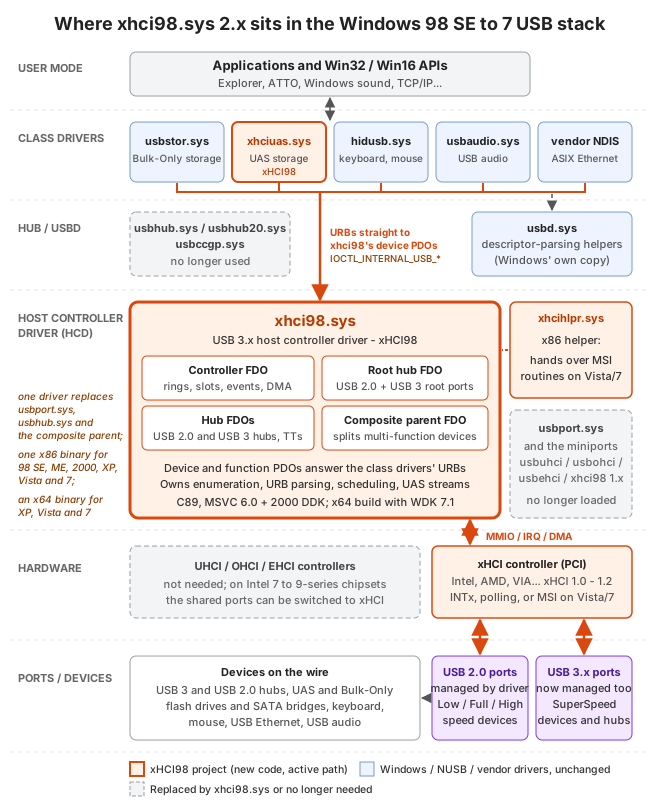
However, the development team also emphasized that artificial intelligence does not completely replace programmers. All AI-generated code must undergo strict review, testing and modification, especially in key areas such as the operating system kernel and drivers. Any subtle errors may cause system stability problems. Therefore, AI is more like an auxiliary tool to improve efficiency rather than an independent developer.
In recent years, AI-assisted development has rapidly become popular in the software industry. Supporters believe that this technology can help developers reduce duplication of work, shorten development time, and improve productivity; critics worry that AI-generated code may cause maintenance difficulties, security risks, and reduced code quality. The open source community also has different attitudes towards AI-generated code, and some projects have even formulated or discussed relevant management rules.
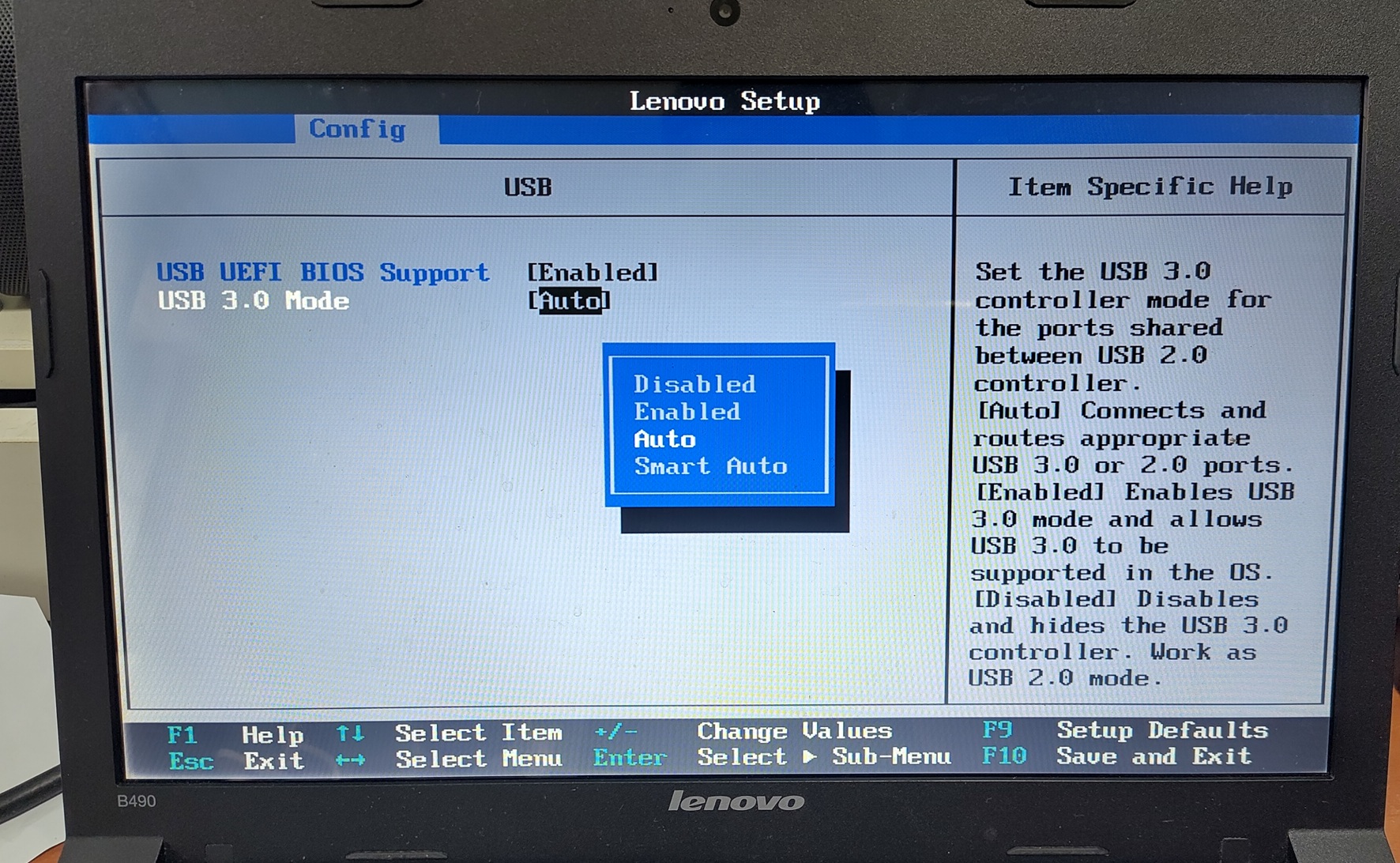
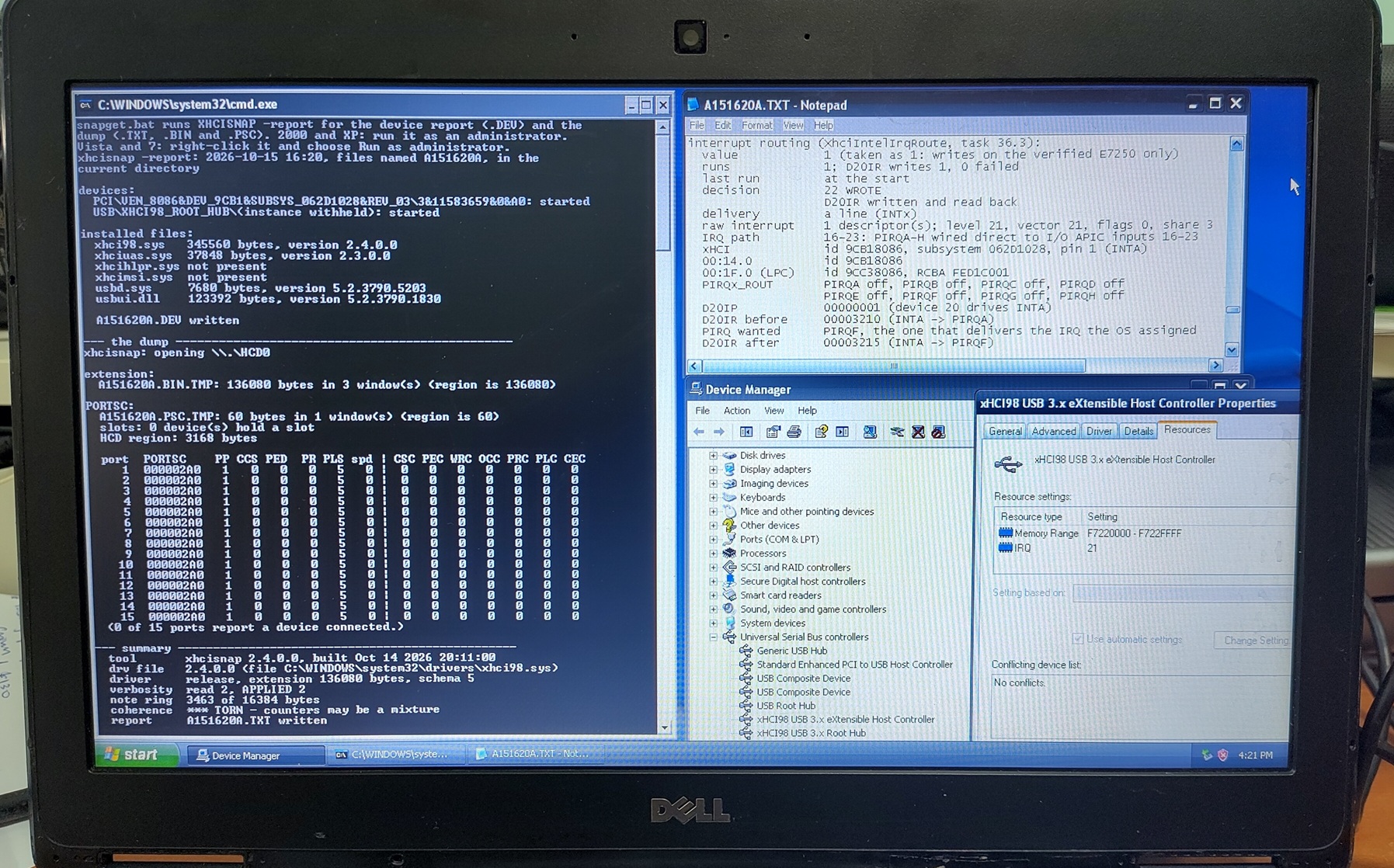
For ReactOS, this Thunderbolt 4 support not only improves platform functionality, but also demonstrates the practical value of AI-assisted development in large-scale open source projects. As artificial intelligence tools continue to advance, more and more open source projects that are originally limited by manpower and resources may be able to use similar methods to speed up development and further narrow the gap with commercial software.
Learn more:
https://yeokhengmeng.com/2026/10/xhci98-usb3-usb4/
Comments