
Abstract:
The latest astronomical observations led by international research teams including Queen Mary University of London and the University of Geneva have discovered that a Neptune-sized exoplanet named GJ 3090 b is orbiting in a "retrograde" orbit completely opposite to the rotation direction of its parent star. This is the first time that the human astronomy community has confirmed the existence of a retrograde planetary system around the most common M-type red dwarf star in the Milky Way. Its abnormal orbital configuration poses a new challenge to the existing planetary evolution model.
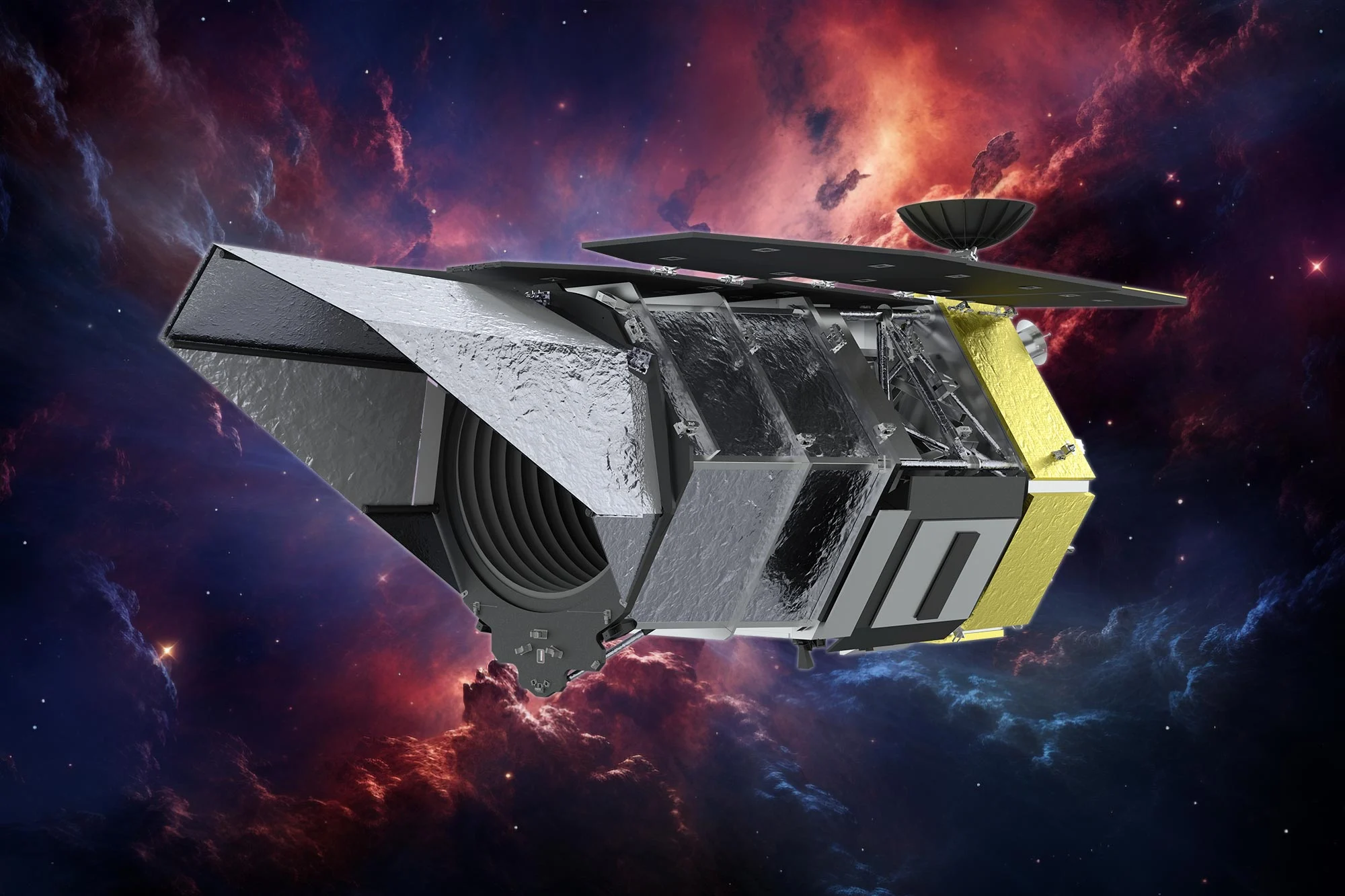
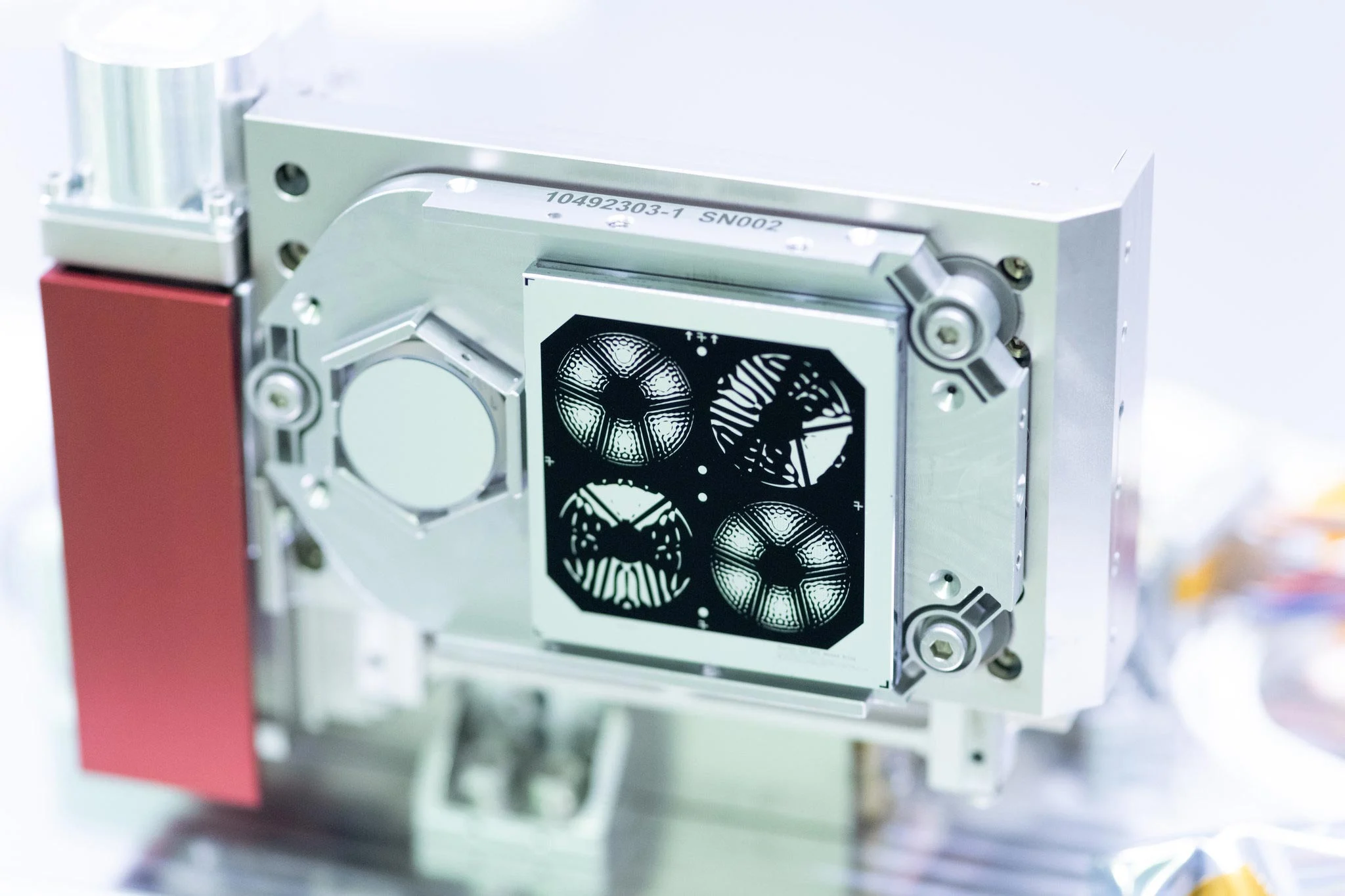
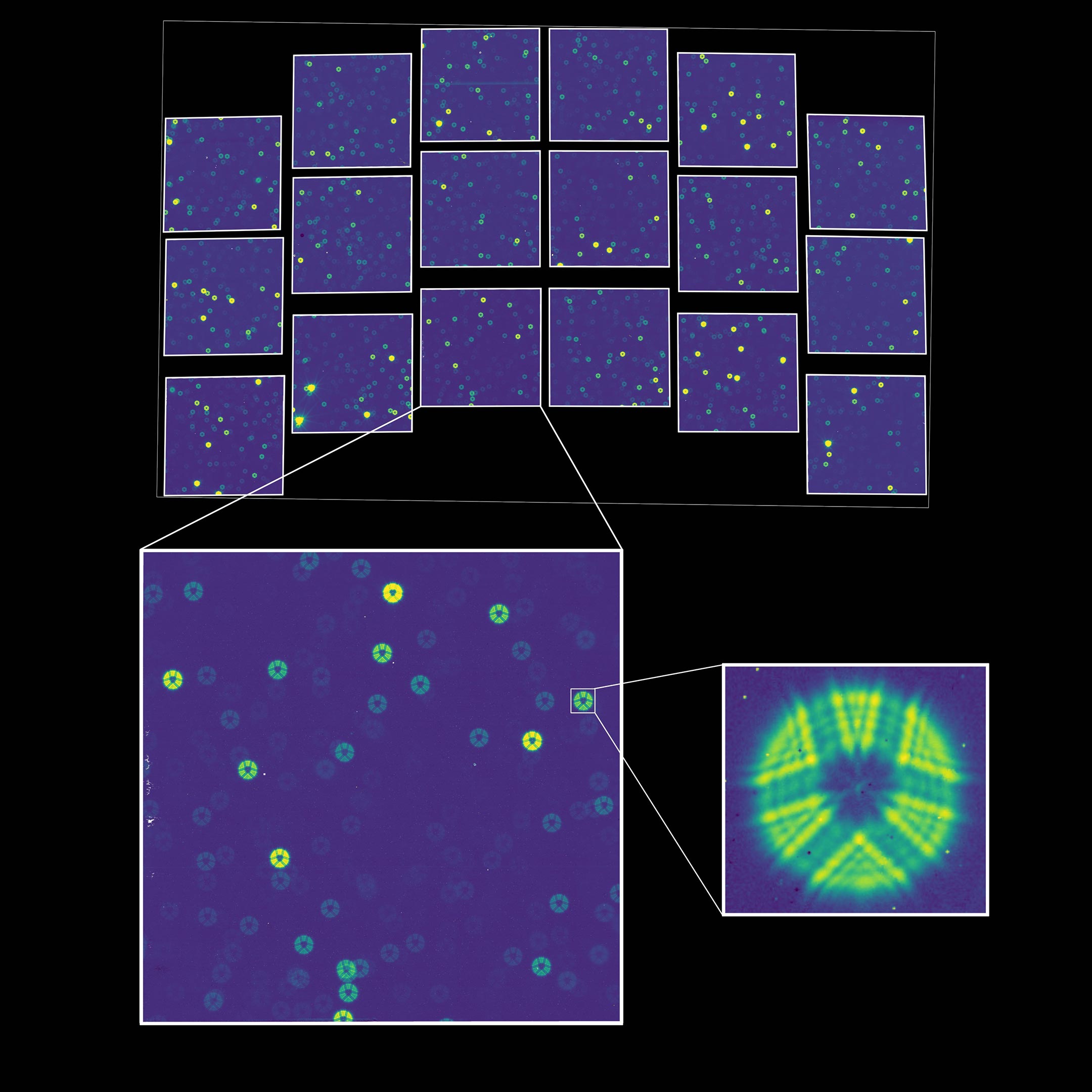
According to the long-recognized star disk accretion theory in the astronomical community, stars and planets orbiting them are born from the same rotating disk of gas and dust. Therefore, the revolution direction of the planet should usually be consistent with the rotation direction of the star itself. However, the research team used fine observation data obtained by the high-resolution near-infrared spectrometer NIRPS to accurately measure the three-dimensional orbital orientation of GJ 3090 b for the first time, and calculated that the planet's orbital inclination is as high as about 136 degrees. Since this angle is significantly more than 90 degrees, it is completely confirmed that the planet is moving backward along an orbit opposite to the rotation direction of the star. It is also the nominal smallest planet with a three-dimensional orbital inclination measured around an M-type red dwarf star.
As for the formation mechanism of this retrograde planet, the astronomical community usually tends to attribute it to severe gravitational perturbations in the later period, such as the gravitational tug of a distant massive companion star or an outer giant planet that causes the inner planet's orbit to undergo an extreme tilt and flip. However, after carefully examining the galaxy, researchers did not find any massive objects that could cause violent gravitational resonance.
Based on this discovery, the research team proposed another striking new hypothesis in Astronomy and Astrophysics Letters: The retrograde characteristics of GJ 3090 b may not be caused by external violent impacts or perturbations at a later stage, but are "innate" in the early stages of the galaxy's birth. During the infancy of star formation, it may have captured a second accretion disk with different tilt angles from the surrounding complex interstellar environment, and GJ 3090 b was condensed from this batch of tilted new material, thereby completely inheriting the retrograde trajectory of the second star disk. Astronomers said that this breakthrough not only demonstrates the powerful ability of near-infrared spectroscopy to detect the orbital structure of red dwarf galaxies, but also implies that the decisive influence of the accretion environment around young stars on planetary configuration is far more complex than previously recognized. Follow-up continuous observations will further reveal the prevalence of such extreme orbital systems in the universe.
Comments