
Abstract:
Boeing’s latest batch of 737 MAX passenger planes has encountered unexpected resistance recently. Southwest Airlines and United Airlines have successively stated that they will not accept newly delivered aircraft equipped with specific versions of flight management software. The decision comes as the U.S. Federal Aviation Administration (FAA) launches a review of related software issues and also brings new uncertainty to Boeing's 737 MAX 7 and 737 MAX 10 projects.
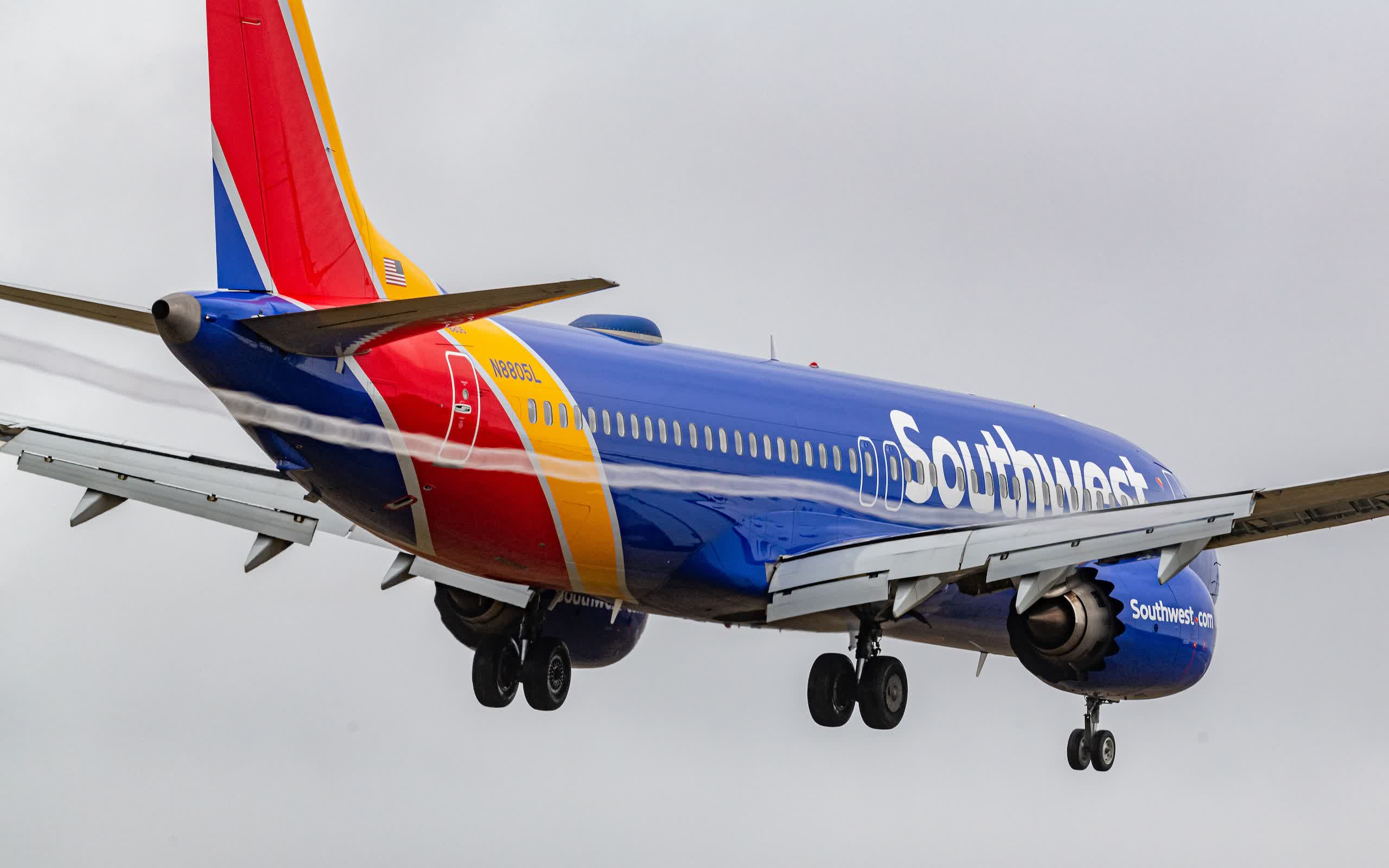
According to the disclosed information, this problem involves the Flight Management Computer (FMC) software versions 14 and 14.1 used by the 737 MAX. The FAA is currently evaluating the issue while Boeing works to develop a permanent fix.
Boeing stated that the problem did not immediately pose a threat to flight safety. The company has also issued relevant instructions to air operators and reiterated that existing flight procedures can ensure the safe operation of the aircraft. However, the regulator decided to further review the situation.
This failure occurred in a rather special flight scenario.
When an aircraft is performing a precision approach on autopilot, if a go-around or abort of the approach is required due to weather or other factors, and the preset flight plan is subsequently modified, the flight guidance system may automatically switch from vertical navigation mode (VNAV) to other flight modes, such as vertical speed mode or altitude change mode.
Normally, VNAV is responsible for automatically controlling the vertical flight trajectory of the aircraft according to the altitude and speed limits preset in the flight plan. Once the mode is exited, the autopilot system itself does not fail, but the pilot will need to find other ways to manage the aircraft's vertical path.
Boeing emphasized that pilots have been trained to operate the aircraft without VNAV assistance, so the existing crew is equipped to handle such situations. At the same time, the company is working on new operating procedures to allow crews to restore automatic vertical navigation functions after relevant situations occur.
Although Boeing tried to downplay the impact of the incident, two major customers still chose to adopt a cautious approach.
United Airlines made it clear that the company's existing 737 fleet does not use the affected software version, and the company will not accept new delivery aircraft with the software installed.
Southwest Airlines has taken a similar stance. As one of the world's largest 737 operators, Southwest Airlines has long relied heavily on Boeing's single-model strategy, so its attitude has attracted special attention from the industry.
It is worth noting that the two airlines did not completely refuse to receive the new aircraft, but asked Boeing to continue to use the previous software version. In other words, they are rejecting specific software configurations, not the 737 MAX model itself.
The timing of this incident is quite sensitive.
Boeing is currently waiting for the final certification approval of the 737 MAX 10 and is also preparing to start delivering the 737 MAX 7 that has just received certification. As the two most important members of the 737 MAX family, they are regarded as an important part of Boeing's civil aviation market strategy in the next few years.
The FAA has stated that it will convene a special corrective action review committee to evaluate the investigation results and repair plans submitted by Boeing. If new safety risks are discovered during the review process, regulatory authorities will immediately take corresponding measures.
In recent years, the 737 MAX project has been under strict attention from the outside world. From the initial MCAS system controversy to subsequent manufacturing quality incidents, regulators, airlines, and passengers have remained highly sensitive to any technical issues with this aircraft model.
Analysts believe that although this problem has not reached the level of a serious safety accident from the current situation, it may still further affect Boeing's current certification and delivery progress. Especially at the critical stage when the 737 MAX 10 is about to receive final approval, any new technical issues may lead to an extension of the regulatory review cycle.
For Boeing, the most important task now is not only to complete software repairs, but also to re-establish the confidence of airlines and regulatory agencies in the continued stability of its products. The public rejection of relevant aircraft by Southwest Airlines and United Airlines reflects that even if the problem does not constitute an emergency safety risk, large customers still maintain an extremely cautious attitude towards the 737 MAX project.
Comments