
Abstract:
Configuration details of Apple’s next ultra-thin mobile phone, iPhone Air 2, have surfaced again. According to the latest information disclosed by well-known whistleblower Digital Chat Station, Apple is preparing a number of hardware upgrades for this new machine, including using a new generation 2nm process processor, adding a rear camera, increasing battery capacity, and continuing to maintain an ultra-thin body design. According to current news, iPhone Air 2 is expected to be released together with iPhone 18 and iPhone 18e in the spring of 2027.
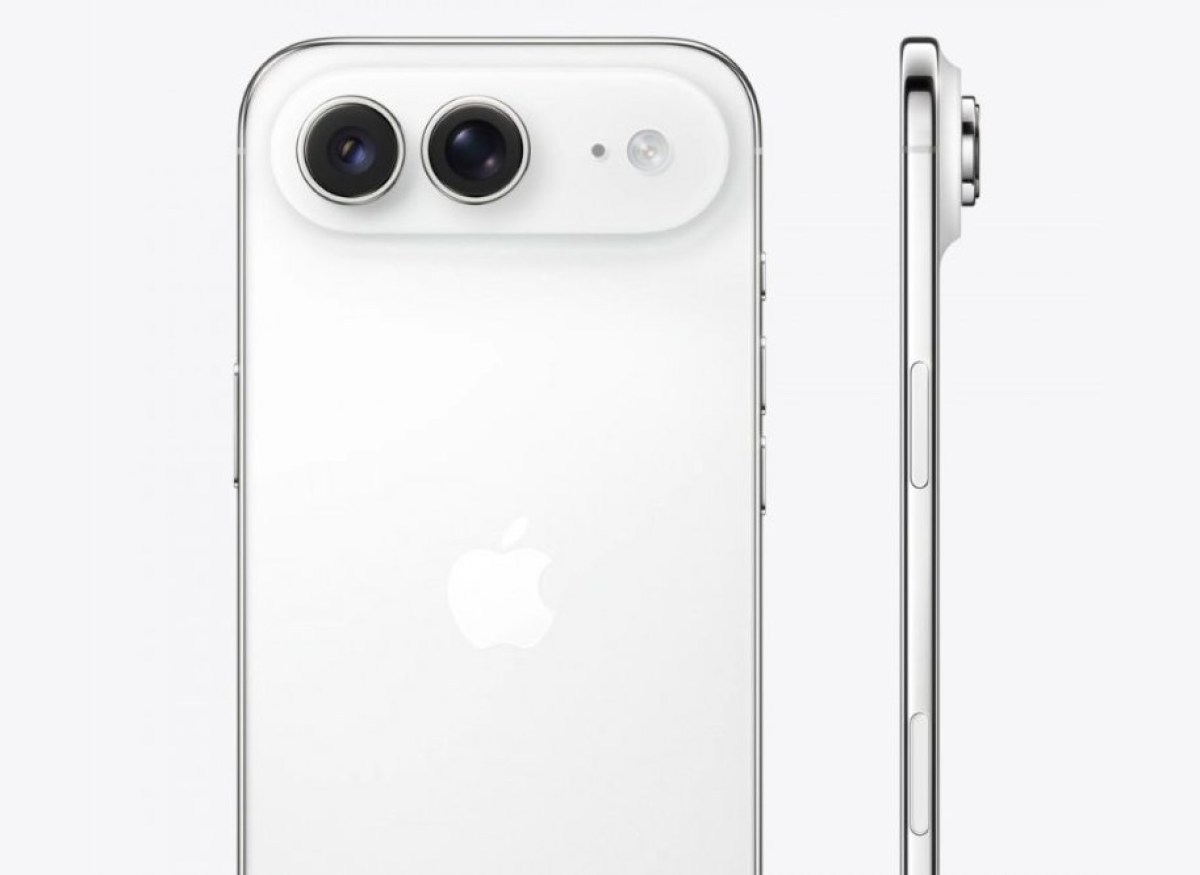
In terms of screen, iPhone Air 2 is expected to use a 6.55-inch OLED direct screen, support 120Hz refresh rate, and have a resolution of 1.5K. The overall screen size is close to the previous generation product, but Apple may further optimize the body frame and screen display area to provide a better visual experience while maintaining a thin and light design.
The processor will be an important part of this upgrade. The iPhone Air 2 is said to be equipped with Apple's A20 series chips, using TSMC's 2nm manufacturing process. Previous news showed that the A20 series will become Apple’s new generation of high-end mobile processors and is expected to be the first to be used in the iPhone 18 Pro series. More advanced processes are expected to improve computing performance while reducing power consumption, which is especially important for the iPhone Air series that emphasizes thin and light design and relatively limited internal space.
The imaging system is expected to undergo major changes. One of the biggest hardware compromises of the first-generation iPhone Air is that the rear camera is only equipped with a 48-megapixel main camera, while the new generation is expected to add a 48-megapixel ultra-wide-angle camera to form a dual-camera system. In this way, in addition to taking regular wide-angle photos, users can also get a wider viewing range and have greater flexibility in scenes such as landscapes, buildings, and group photos.
Battery capacity will also be improved. Due to the ultra-thin body limiting internal space, the first-generation iPhone Air made obvious compromises in terms of battery capacity. Previously, it was reported that the battery capacity of iPhone Air 2 may reach 3500mAh or higher, which is an increase from the previous generation. Coupled with the possible energy efficiency improvements brought by 2nm processors, the new machine is expected to improve battery life performance. However, there is no confirmed specific battery capacity data yet.
In terms of body design, iPhone Air 2 is expected to continue the overall design language of the first-generation product, but the thickness may be further reduced to about 5.2 mm. If this data is finally realized, the new phone will be slimmer than the first-generation iPhone Air. Taking into account the simultaneous increase in battery capacity, this means that Apple needs to further optimize the internal structure, motherboard layout, and battery packaging technology.
In terms of communications and wireless connections, the new machine may also use Apple’s new generation N2 wireless communication chip and C2 baseband. Among them, N2 is expected to be responsible for wireless connection functions such as Wi-Fi and Bluetooth, while C2 will be responsible for 5G cellular network communication tasks. The continued iteration of these self-developed chips will help Apple further reduce its reliance on third-party suppliers while improving the connection experience and energy efficiency between devices.
Judging from the information currently exposed, the product idea of iPhone Air 2 is quite clear: while retaining the core selling point of extreme thinness and lightness, it will also strengthen the image and battery life shortcomings of the first-generation product that were criticized by users. In particular, the addition of an ultra-wide-angle camera means that Apple is beginning to try to narrow the functional gap between the Air series and regular flagship models.
However, all current configurations are still unofficial information provided by supply chain sources and whistleblowers, and the final specifications, thickness, and release time may still change. If all these upgrades are finally realized, iPhone Air 2 will no longer be just a special product that emphasizes appearance and thinness, but is expected to become a product that seeks a better balance between portability, performance, imaging and battery life.
Comments